
Introduction: Why Precision Matters in Every Connection
In a world powered by electricity and connectivity, the smallest tools often carry the biggest responsibility. One such essential device is the crimping tool—a simple-looking instrument that ensures safety, durability, and performance across electrical and mechanical applications. Whether used by professionals or DIY enthusiasts, a crimping tool plays a critical role in creating secure wire connections without soldering.
What Is a Crimping Tool?
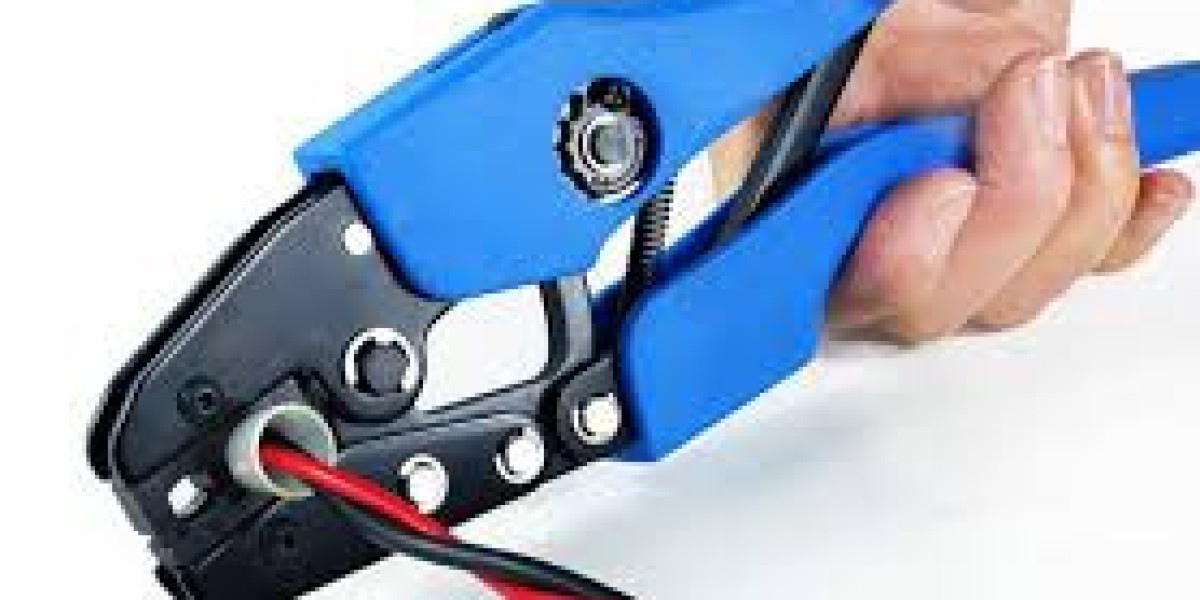
A crimping tool is a handheld or mechanical device designed to join two pieces of metal by deforming one or both components. Most commonly, it is used to attach connectors or terminals to electrical wires, ensuring a tight and reliable bond.
Unlike twisting wires together or relying on tape, crimping creates a permanent, vibration-resistant connection that can withstand environmental stress.
How a Crimping Tool Works
Crimping works by applying controlled pressure to a connector, compressing it around a wire strand. This process:
Eliminates air gaps
Improves conductivity
Prevents loosening over time
The result is a clean, professional-grade connection that remains stable even under heat, movement, or load.
Types of Crimping Tools for Different Needs
Not all crimping tools are built the same. Choosing the right type depends on the task at hand.
Manual Crimping Tools
Best for light-duty applications, manual crimpers are compact, affordable, and ideal for home or small workshop use.
Ratcheting Crimping Tools
These tools apply uniform pressure and won’t release until the crimp is complete, ensuring consistency and reducing user error.
Hydraulic Crimping Tools
Designed for industrial and heavy-duty use, hydraulic crimpers handle thick cables and high-capacity terminals with ease.
Specialty Crimpers
Used for specific connectors such as RJ45, coaxial cables, or insulated terminals.
Where Crimping Tools Are Commonly Used
A high-quality crimping tool is indispensable across many industries:
Electrical installations
Automotive wiring systems
Telecommunications
Solar panel connections
Network cabling
Manufacturing and maintenance work
Anywhere wires need to stay connected securely, crimping tools are involved.
Benefits of Using a Crimping Tool
Using a proper crimping tool offers several advantages:
Stronger connections compared to twisting or taping
Improved electrical conductivity
Reduced risk of short circuits
Faster installation time
Professional finish and reliability
These benefits make tool crimping the preferred method in safety-critical environments.
How to Choose the Right Crimping Tool
When selecting a crimping tool, consider the following factors:
Wire gauge compatibility
Connector type
Frequency of use
Ergonomic handle design
Build quality and material
Investing in the right tool not only improves efficiency but also extends tool lifespan.
Common Mistakes to Avoid When Crimping
Even the best tool can fail if used incorrectly. Avoid these common errors:
Using the wrong die size
Applying uneven pressure
Crimping damaged or corroded wires
Ignoring manufacturer specifications
Precision and attention to detail make all the difference.
Maintenance Tips for Long-Term Performance
To keep your crimping tool performing at its best:
Clean it regularly
Store it in a dry environment
Lubricate moving parts when needed
Inspect jaws for wear
Proper maintenance ensures consistent results and safer operation.
Final Thoughts: A Small Tool with Big Impact
The crimping tool may not be the flashiest piece of equipment, but its impact is undeniable. From ensuring electrical safety to enhancing system performance, it is a cornerstone tool in modern wiring and connectivity.
Choosing the right crimping tool—and using it correctly—translates into reliability, efficiency, and peace of mind.
Check Out More Latest Articles: Click Here