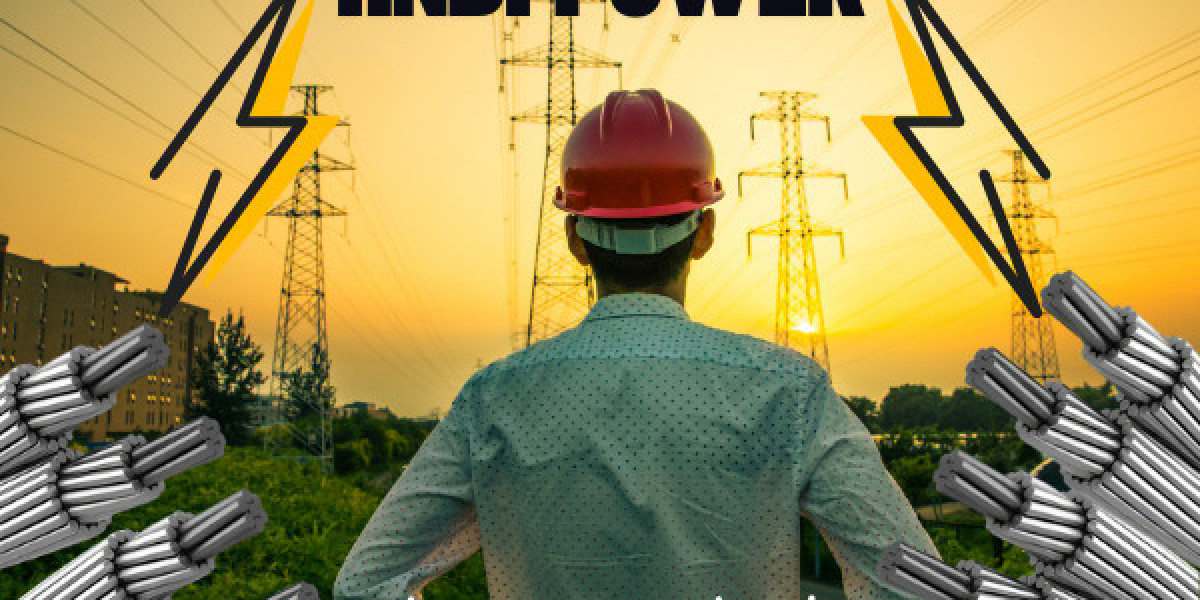

In the fast-evolving world of power transmission, the choice of conductors directly impacts efficiency, reliability, and long-term operational costs. Among the most fundamental components of any overhead power system, bare conductors serve as the backbone for transmitting electricity over long distances. HNBF Power, a global leader in manufacturing overhead conductors and power cables, delivers high-quality bare conductors that meet rigorous industry standards and optimize grid performance.
What Are Bare Conductors?
Bare conductors are uninsulated wires or cables that carry electrical current in overhead power lines. Unlike insulated cables, these conductors rely on their metallic composition and mechanical strength to maintain safe and efficient transmission. They are widely used in high-voltage (HV), medium-voltage (MV), and low-voltage (LV) distribution networks, forming the critical links between substations, transformers, and end users.
Types of Bare Conductors Offered by HNBF Power
HNBF Power specializes in a comprehensive range of bare conductors, tailored to meet diverse utility and industrial requirements:
- All Aluminum Conductor (AAC): Lightweight, corrosion-resistant, and ideal for low-voltage power distribution.
- All Aluminum Alloy Conductor (AAAC): Enhanced strength and durability, perfect for areas exposed to environmental stress.
- Aluminum Conductor Steel Reinforced (ACSR): Combines high conductivity with mechanical strength, widely used in long-span transmission lines.
- Aluminum-Clad Steel (ACS) & Copper-Clad Steel: Provide superior tensile strength while maintaining efficient conductivity.
- Galvanized Steel Wire (GSW): Used primarily as supporting or messenger wires in overhead networks.
Each of these products is manufactured under strict quality control, ensuring reliable performance in challenging environmental conditions.
Advantages of Choosing HNBF Power Bare Conductors
Selecting the right bare conductor supplier can drastically reduce maintenance costs and enhance system stability. HNBF Power provides several benefits:
- High Conductivity and Strength: All conductors are engineered to minimize electrical losses while maximizing mechanical performance.
- Global Compliance: Products meet international standards including IEC, ASTM, and national utility regulations.
- Custom Solutions: HNBF Power offers tailored conductor designs to meet unique project requirements, from short urban networks to extensive high-voltage transmission lines.
- Sustainable Production: Utilizing eco-friendly materials and efficient manufacturing processes reduces environmental impact.
Common Applications
Bare conductors are essential for a variety of infrastructure projects, including:
- Overhead transmission lines spanning urban, rural, and industrial zones
- Distribution networks for residential and commercial areas
- Renewable energy projects such as solar and wind power transmission
- Utility modernization and grid expansion projects
By delivering reliable bare conductors, HNBF Power ensures continuity of supply, minimal energy loss, and long-term system integrity.
Key Considerations for Engineers and Procurement Buyers
When selecting bare conductors, engineers and procurement teams must consider:
- Conductor Material: Aluminum vs. aluminum alloy vs. composite cores, balancing conductivity and tensile strength.
- Environmental Conditions: Corrosion resistance for coastal or industrial areas.
- Load and Span Requirements: Proper sizing ensures minimal sag and optimal electrical performance.
- Compliance and Certification: Verification of ISO, IEC, and ASTM standards for reliability and safety.
HNBF Power provides detailed technical specifications and support to guide these critical decisions, making it easier for engineers and procurement buyers to select the ideal conductor for their projects.
FAQs About Bare Conductors
Q1: What is the difference between AAC and AAAC conductors?
AAC conductors are pure aluminum and lightweight, suitable for low-voltage applications, whereas AAAC conductors use an aluminum alloy for higher strength and better environmental resistance.
Q2: Can HNBF Power provide custom conductor solutions?
Yes, HNBF Power offers tailored conductor designs based on project requirements, including size, material, and certification compliance.
Q3: How do ACSR conductors differ from AAC conductors?
ACSR conductors combine aluminum for conductivity with steel for tensile strength, ideal for long-span transmission lines, while AAC is fully aluminum and mainly used in low-voltage networks.
Q4: Are HNBF Power conductors certified internationally?
Absolutely. All conductors meet ISO, IEC, and ASTM standards, ensuring compliance with global utility requirements.
Q5: What maintenance is required for bare conductors?
Regular inspection for corrosion, sag, and mechanical damage is recommended. HNBF Power’s high-quality materials reduce maintenance frequency.
Partner With HNBF Power for Reliable Bare Conductors
Choosing a dependable supplier is critical for efficient and secure power transmission. HNBF Power’s expertise, global reach, and comprehensive product range make it the preferred partner for engineers, utilities, and industrial procurement teams. For customized bare conductor solutions and technical support, contact HNBF Power today and ensure your power network operates at peak efficiency.