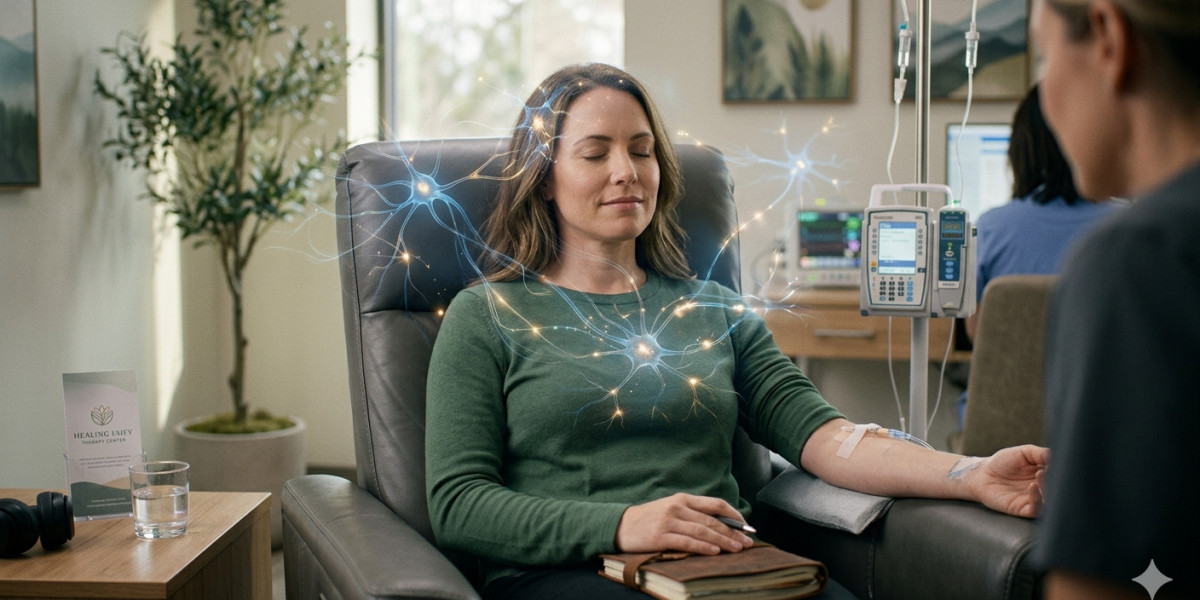

Chronic depression does not always respond to the usual playbook. Medication adjustments, therapy sessions, and lifestyle changes can help, but for many, the results plateau. That is where Ketamine Infusion Therapy has started to gain traction. It is not just another treatment option. It represents a shift toward targeting how the brain actually functions rather than simply adjusting chemical levels.
Mental health data continues to highlight the urgency. According to the World Health Organization, depression is one of the leading causes of disability worldwide. A significant percentage of patients do not respond to first-line treatments, which leaves a gap that newer approaches like ketamine infusion therapy aim to fill.
How ketamine infusion therapy works at the brain level
Traditional antidepressants mainly target serotonin and similar neurotransmitters. While effective for some, they often require weeks to build up in the system and produce noticeable changes. That delay can feel like a dead end for someone dealing with severe symptoms.
Ketamine infusion therapy operates differently. It acts on the glutamate system, which is responsible for neural communication and brain plasticity. Instead of slowly adjusting mood, it helps repair and strengthen neural connections.
What sets it apart
Targets glutamate pathways rather than serotonin
Supports rapid synaptic growth and neural repair
Often produces noticeable effects within hours or days
Helps interrupt rigid negative thought patterns
Research published in the American Journal of Psychiatry shows that ketamine-based treatments can reduce depressive symptoms significantly faster than traditional medications. In several clinical trials, more than half of patients with treatment-resistant depression reported improvement after controlled infusion sessions.
This is a major departure from conventional treatment timelines.
Who is a strong candidate for this therapy
Ketamine infusion therapy is not designed for mild cases. It is typically recommended for individuals who have struggled with persistent or treatment-resistant depression.
Common use cases
Patients who have not responded to multiple antidepressants
Individuals experiencing long-term depressive episodes
Those needing faster symptom relief due to severity
Cases where progress has stalled despite ongoing therapy
The National Institute of Mental Health estimates that nearly 30 percent of people with depression fall into the treatment-resistant category. That is a large group searching for alternatives that actually deliver results.
What the infusion process actually looks like
Unlike oral medications, ketamine infusion therapy is delivered intravenously in a controlled clinical environment. This ensures precise dosing and close monitoring throughout the session.
Typical treatment experience
IV infusion administered over a set period in a clinic
Continuous monitoring by trained professionals
Multiple sessions scheduled over several weeks
Follow-up assessments to track progress
During the session, patients may experience temporary sensations such as light dissociation or altered perception. These effects are short-lived and monitored carefully.
Data referenced by the FDA indicates that ketamine-based therapies can reduce relapse risk when combined with ongoing treatment. This adds another layer of long-term value beyond immediate symptom relief.
Real-world impact on daily life and recovery
Clinical results provide one perspective, but real-world outcomes reveal how this therapy affects daily living. Chronic depression often creates mental rigidity, making it difficult to break out of repetitive negative cycles.
Ketamine infusion therapy appears to disrupt those patterns.
Reported benefits in practice
Rapid reduction in depressive symptoms
Improved clarity and emotional responsiveness
Greater engagement in therapy sessions
Increased ability to handle everyday responsibilities
Research suggests that ketamine promotes neuroplasticity, allowing the brain to form new pathways. This can help patients move beyond entrenched thought patterns and rebuild a healthier mental framework.
Why it works best as part of a broader treatment plan
It is easy to focus on the speed of results, but long-term recovery requires a more complete approach. Depression is influenced by multiple factors beyond brain chemistry.
Supporting elements that improve outcomes
Ongoing therapy or counseling
Stable sleep and physical activity routines
Regular clinical follow-ups
Strong support networks
Ketamine infusion therapy acts as a catalyst. It opens the door for improvement, but sustained progress depends on how that momentum is maintained.
Final thoughts
Depression treatment is evolving, and ketamine infusion therapy is part of that shift. It moves beyond slow chemical adjustments and focuses on rebuilding the brain’s communication pathways. For individuals who have reached a standstill with traditional methods, this approach offers a new direction grounded in both research and real-world outcomes.
Exploring advanced therapies is not about replacing everything that came before. It is about recognizing when a different strategy might finally create meaningful change.