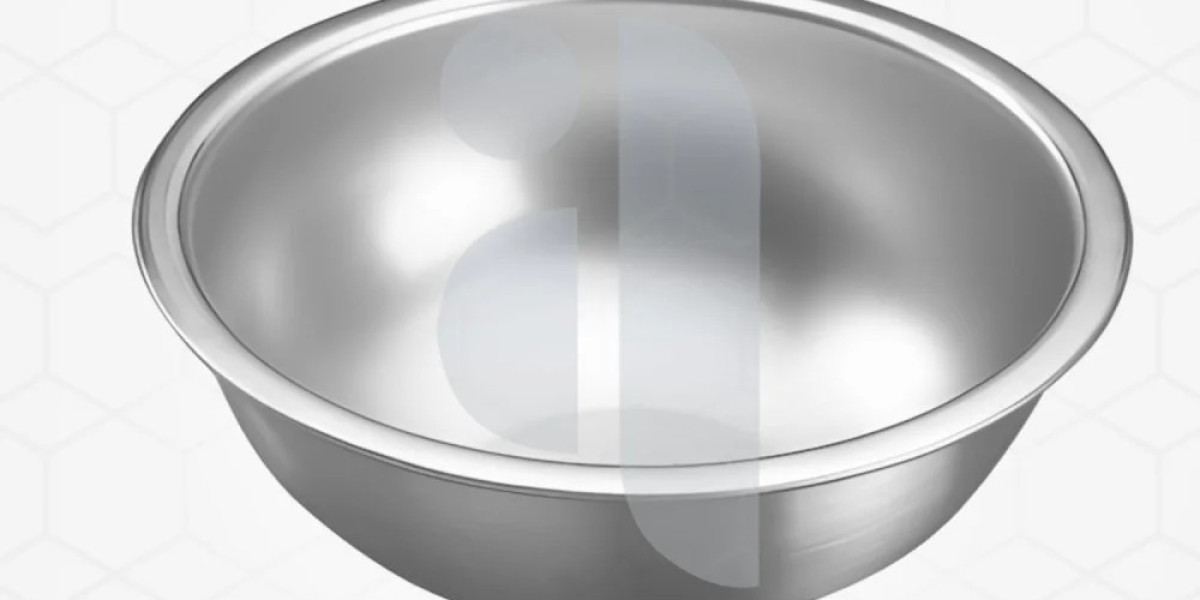

Gallipots are small but essential tools in surgical and clinical settings. They are used to hold ointments, antiseptics, dressings, fluids, and other medical materials during procedures. For surgeons, nurses, and sterile processing teams, choosing the right gallipot supports efficiency, cleanliness, and precision in the operating room. This guide explains the types of gallipot, their common materials, practical uses, and the features that matter when selecting instruments for professional healthcare environments.
Azeemed Instruments is dedicated to providing high-quality surgical tools that meet the needs of professionals. With a strong focus on performance, durability, and reliability, the company supports healthcare providers who depend on consistent instrument quality in demanding settings. Understanding the role of gallipots can help practitioners make better purchasing and usage decisions while maintaining high clinical standards.
Material-Based Gallipots in Surgical Practice
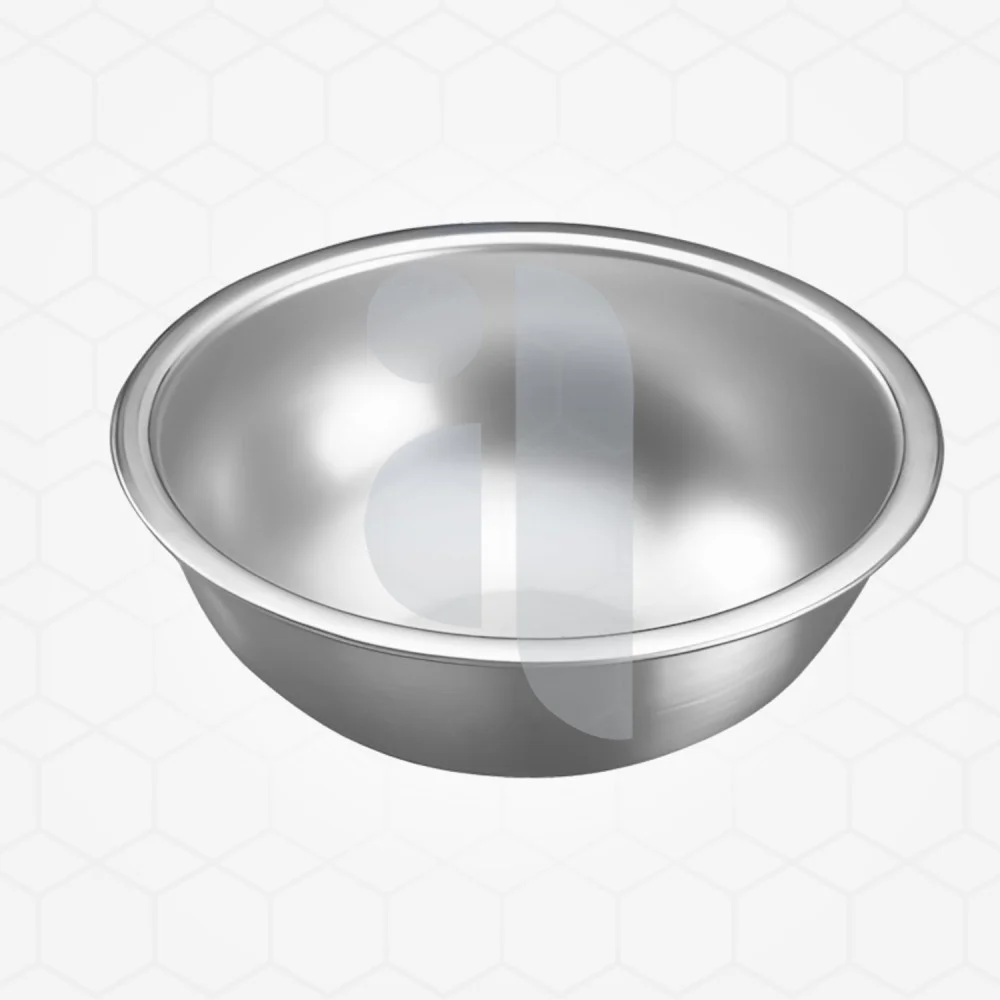
One of the most common ways to understand the types of gallipot is by looking at the material used in construction. Stainless steel gallipots are widely preferred in hospitals and surgical centers because they are durable, corrosion-resistant, and easy to sterilize. They can withstand repeated autoclaving and maintain their form even after frequent use. This makes them suitable for operating rooms, dressing trays, and minor procedure setups where hygiene and long-term value are critical.
Plastic gallipots are also used in many medical environments, especially when single-use convenience is needed. These may be selected for basic examinations, outpatient settings, or low-risk procedures where disposable items help support infection control protocols. In a complete surgical tray, a gallipot may sit alongside forceps, retractors, suction tools, and precision instruments such as a bowel scissor, depending on the nature of the procedure. Ceramic or glass gallipots are less common in modern surgical settings, but they may still be found in specific applications where chemical resistance or a traditional finish is desired.
Reusable and Disposable Gallipot Options
Another way to classify the types of gallipot is by intended usage cycle. Reusable gallipots are designed for repeated sterilization and extended service life. These are commonly manufactured from medical-grade stainless steel and are valued for their strength and cost efficiency over time. In high-volume surgical facilities, reusable instruments often remain the preferred option because they align with standardized sterilization workflows and reduce the need for frequent replacement.
Disposable gallipots offer a different advantage. They help reduce turnaround time and may lower the risk of cross-contamination when used correctly in suitable clinical situations. Many healthcare providers use disposable options in emergency rooms, outpatient departments, and short procedures where fast setup and disposal are practical. The choice between reusable and disposable models depends on the clinical setting, infection prevention policy, and the level of procedural demand placed on the instrument.
Common Sizes and Shapes of Gallipots
Size and shape also play a major role when evaluating types of gallipot for medical use. Smaller gallipots are often used to hold limited amounts of antiseptic solution, ointment, or saline. These are useful in procedures that require only a small sterile field supply and where space on the tray is limited. Their compact form also makes them easy to handle during minor treatments and bedside care.
Larger gallipots are better suited for procedures that require more fluid, multiple swabs, or larger quantities of topical preparations. Some designs feature a wider opening for easier access, while others have a deeper bowl shape to reduce spillage. The right size depends on the nature of the procedure and the materials being handled. Selecting the correct dimensions improves workflow and supports more organized instrument arrangement during treatment and surgery.
Gallipot Applications Across Surgical and Clinical Settings
The types of gallipot used in healthcare often vary by department and procedure type. In general surgery, gallipots are commonly used to hold prep solutions, sutures, dressings, and small quantities of medications. In dermatology and wound care, they may contain creams, cleansing fluids, or specimen-related materials. In dental and ENT settings, they support clean and efficient handling of small treatment items during examinations and procedures.
Gallipots also play an important role in maintaining an organized sterile field. By separating materials into individual containers, clinicians can reduce clutter and improve access during critical moments. This simple instrument supports better workflow by helping staff keep solutions and supplies close at hand. Though basic in form, the gallipot remains a reliable part of many medical setups because of its versatility and ease of use.
How to Choose the Right Gallipot for Professional Use
Selecting the right option from the many types of gallipot requires attention to quality, intended use, and sterilization compatibility. Healthcare professionals should consider the material, size, edge finish, and resistance to wear when choosing gallipots for regular use. Smooth edges and a stable base are especially important in surgical environments, where safe handling and dependable placement matter during procedures.
Azeemed Instruments is dedicated to providing high-quality surgical tools that meet the needs of professionals. This commitment is important when choosing instruments that must perform consistently under strict medical standards. A well-made gallipot should support sterile technique, resist corrosion, and fit smoothly into the broader instrument set used by surgeons and healthcare teams. When quality is prioritized, even a simple accessory can contribute to better efficiency and confidence in clinical practice.
Conclusion
Gallipots remain a practical and necessary part of modern medical care. From material choice to size selection, understanding the different options helps practitioners choose the best instrument for each setting. Whether used in surgery, wound care, outpatient treatment, or minor procedures, gallipots support cleanliness, organization, and precise handling of medical materials.
Azeemed Instruments is dedicated to providing high-quality surgical tools that meet the needs of professionals. For healthcare providers seeking dependable instrument solutions, investing in the right gallipot is part of building a safer and more efficient clinical environment. By understanding the role and design of these containers, professionals can make informed decisions that support both patient care and procedural excellence.