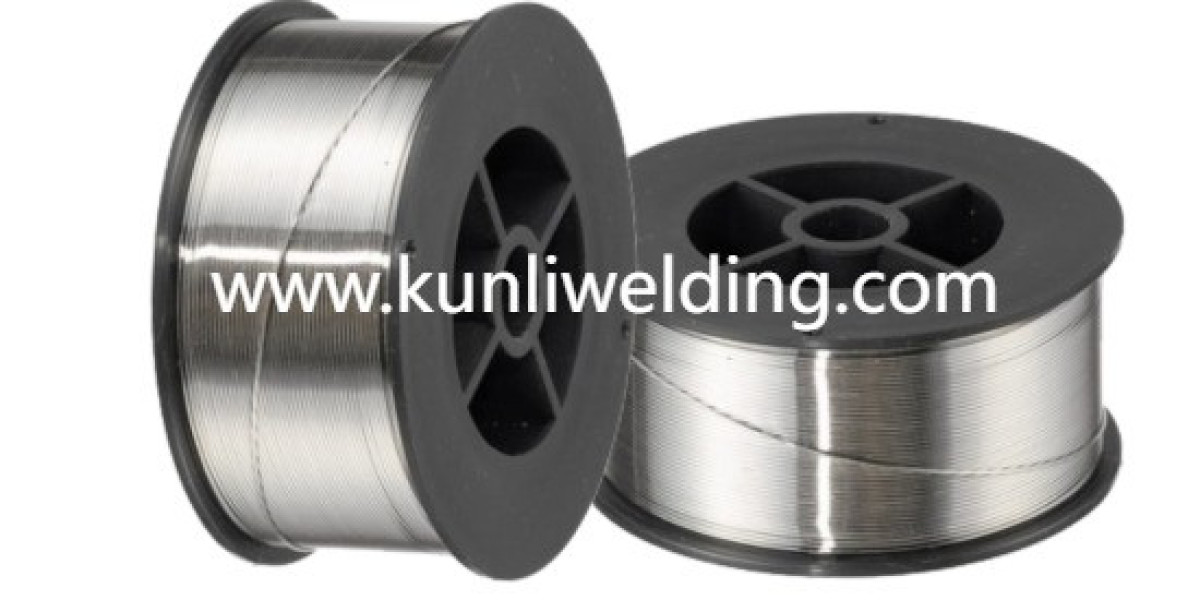

Partnering with a manufacturer to develop a tailored filler can transform welding performance for demanding projects. Aluminum Welding Wire Manufacturers are the natural collaborators when fabricators require custom alloy chemistry, adjusted temper, or specific spool formats that align with automated cells and manual processes. A structured partnership reduces trial cycles and helps teams respond to emerging demands in electrification and infrastructure programs.
Begin by defining technical requirements in clear terms. Provide the manufacturer with part function, joining constraints, and the service environment so chemistry and mechanical targets can be framed against real use cases. Explain finishing steps and any surface treatment expectations so the formulation work addresses downstream appearance and corrosion performance as well as weldability. Clear objectives make early lab work more productive and reduce iterations during qualification.
Select a manufacturing partner that demonstrates process control across alloy batching drawing and finishing. Ask about how they manage alloy inputs and thermal treatments, and whether they maintain inline checks for dimensional tolerance and surface condition. These production controls influence feedability and arc behavior in both manual and automated welding operations. When a plant documents its controls and provides batch traceability, quality teams can reconcile field observations to specific production lots if issues arise.
Formalize the development path with defined milestones. Start with small sample runs and targeted mechanical and visual tests that reflect your joint geometry and expected loading. Include both weld coupons and representative assemblies in trials so the supplier can see how the formulation behaves under realistic heat input and travel speed. Agree on acceptance criteria such as visual bead form, fusion quality, and simple mechanical checks so both parties share an objective basis for approval.
Address packaging and handling early in discussions. Spool geometry, inner bobbin fit, and protective packing affect feedability and contamination risk. If the wire must travel between sites or be stored for extended periods, specify packaging needs that preserve surface condition and reduce rework. Manufacturers who treat packaging as part of the product will tailor spool formats to match your feeders and torch arrangements which shortens commissioning time.
Traceability and documentation are practical enablers during qualification and launch. Request batch level records that link sample spools to production runs. Good documentation speeds root cause analysis if weld anomalies appear and supports audit obligations when programs operate under external oversight. Include labeling requirements and a route for rapid technical engagement in the purchase terms so any required adjustments can be made without long delays.
Plan for process integration and operator training. Custom wire formulations occasionally change puddle behavior or feed characteristics. Coordinate test runs with line technicians and include time for operator familiarization so welding rhythm and torch mechanics remain consistent. When manufacturers supply handling notes, suggested parameter windows and feeder guidance, teams reach target quality sooner and with fewer corrective iterations.
Factor environmental and supply resilience into the partnership. Manufacturers that can show what raw inputs they use and how they manage waste give procurement teams the context needed to align material selection with corporate sustainability goals. Similarly, verify the supplier s ability to maintain supply under market fluctuation and the options for local stocking or phased deliveries if program scale is uncertain.
Protect intellectual property and commercial terms through clear agreements. When a formulation is truly custom there may be concerns about ownership and confidentiality. Define whether the customer will own the formulation or whether the manufacturer will treat it as a shared trade secret. Clarify minimum orders, lead times, and trial sampling costs up front so budgets and schedules remain predictable.
Finally, treat the engagement as an iterative collaboration rather than a one time transaction. Set review points after initial runs to capture lessons learned and to lock in any adjustments. When supplier engineers and shop technicians communicate regularly the pathway from prototype to production shortens and risk is reduced across the board. For teams ready to discuss custom aluminum welding wire options and to review manufacturing capabilities visit www.kunliwelding.com .