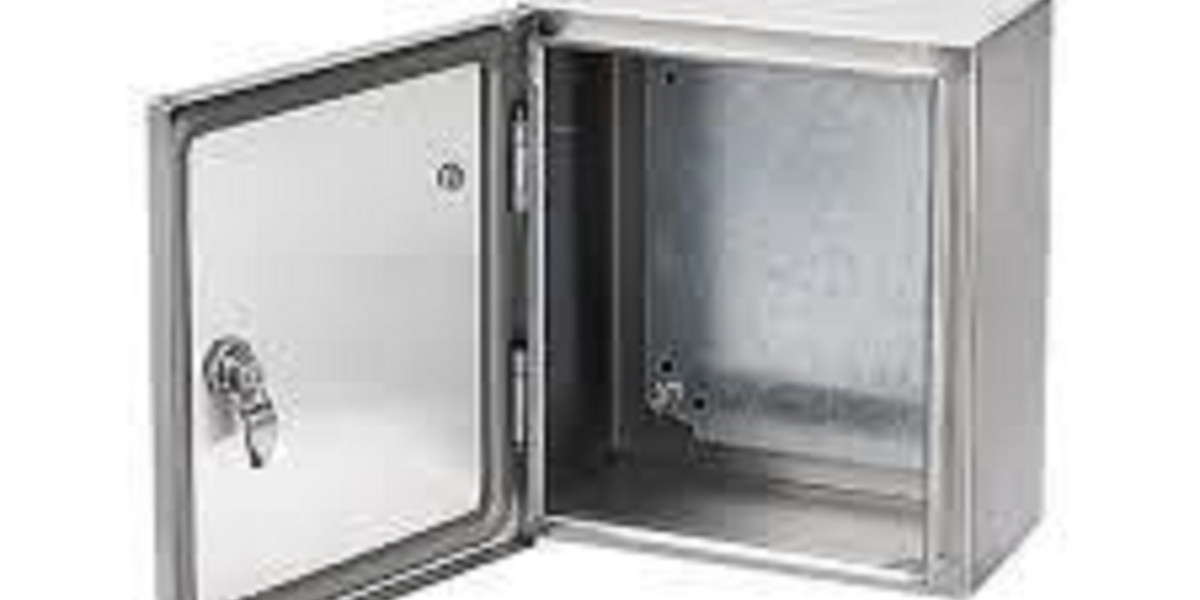

A thoughtful specification prevents many field failures — specifying the right Weatherproof db box at design stage protects electronics from ingress, corrosion, and thermal stress, and embedding maintenance access early avoids costly downtime when a Weatherproof db box must be serviced in adverse conditions. Selecting the proper enclosure requires matching IP/IK ratings, material choices, thermal control, and installer-friendly features to the site’s real-world conditions rather than relying on catalog blurbs.
1. Site Assessment: The Foundation of a Good Spec
Begin every project with a site audit. Note rainfall intensity, probable immersion or spray exposure, UV index, airborne dust or particulate, seasonal temperature swings, and proximity to corrosive atmospheres (coastal salt spray, chemical plants). Those inputs determine whether an IP65, IP66, or higher rating is necessary, whether stainless fasteners are required, and whether added UV-stable coatings or sacrificial hardware should be specified. Don’t forget human factors — vandal risk, tamper access, and maintenance frequency all influence locking and hinge choices.
2. Materials & Corrosion Resistance
Material selection sets the enclosure’s baseline performance. Powder-coated mild steel gives excellent structural strength and is cost-effective when pretreatments and robust coatings are applied. GRP (glass-reinforced polyester) offers electrical isolation and corrosion immunity with light weight. For highly corrosive sites, specify stainless steel (304 or 316 depending on chloride exposure). Fasteners, hinge pins, and gland plates should match or be sacrificial to avoid galvanic corrosion. Gaskets (EPDM, neoprene, or silicone) must keep elasticity across the expected temperature range.
3. Sealing, Cable Entry & Internal Layout
Sealing is a system, not just a door gasket. Effective designs separate cable entries into dedicated gland chambers and include internal drainage paths so ingress that reaches the exterior panel cannot pool around live terminals. Use multi-stage sealing: primary door gasket, sealed gland plate, and internal drain channels. Inside, allow generous bend radii, modular DIN-rail sections, and removable mounting plates so technicians can pre-wire components and retrofit without removing the entire box. Clear labeling and accessible terminal blocks reduce human error during service.
4. Thermal Management & Electrical Safety
Heat shortens component life. Passive vents with weather baffles, thermostatically controlled fans, or small heater strips for cold climates keep internal temperatures in optimal ranges. For enclosures housing batteries, inverters, or high-current equipment, plan separate compartments with forced ventilation and temperature interlocks. Integrate appropriate surge protection devices, local isolators, and clearly marked safety circuits to allow fast, safe isolation during maintenance.
5. Installation Features & Serviceability
Choose enclosures with installer-friendly features: captive screws, pre-punched knockouts or removable gland plates, slotted mounting feet, and doors that lock open during service. Hinges that retain the door when open and latches that can be operated with gloved hands reduce on-site frustration. Provide spare gasket kits and a clear maintenance checklist with torque settings and gasket compression targets to keep seals reliable over time.
Testing, Documentation & Vendor Support
Require IP/IK test certificates, salt-spray results for coastal projects, and dimensional CAD files before procurement. Vendors that supply wiring diagrams, torque specs, and installation videos reduce commissioning delays. Batch-level test reports and traceability on materials help with approvals on critical infrastructure projects.
Monitoring & Smart Add-Ons
Add simple sensors — door-open, humidity, and temperature — to enable condition-based maintenance. Place telemetry modules in serviceable compartments so sensors can be replaced without breaching the main enclosure. For remote sites, include tamper-evident latches and lockable handles to discourage unauthorized access.
Lifecycle & Sustainability Considerations
Design for repair: replaceable gland plates, standard fasteners, and modular internal panels minimize waste and lower lifecycle costs. Favor separable materials that allow recycling at end-of-life. Often, a slightly higher initial material investment pays back through extended service life and lower replacement frequency.
A well-chosen enclosure that aligns material, sealing strategy, thermal control, and accessibility with real site conditions converts a weak point into a reliable, long-lived element of infrastructure. For technical datasheets, customization options, and distributor information, visit www.nante.com