
Introduction
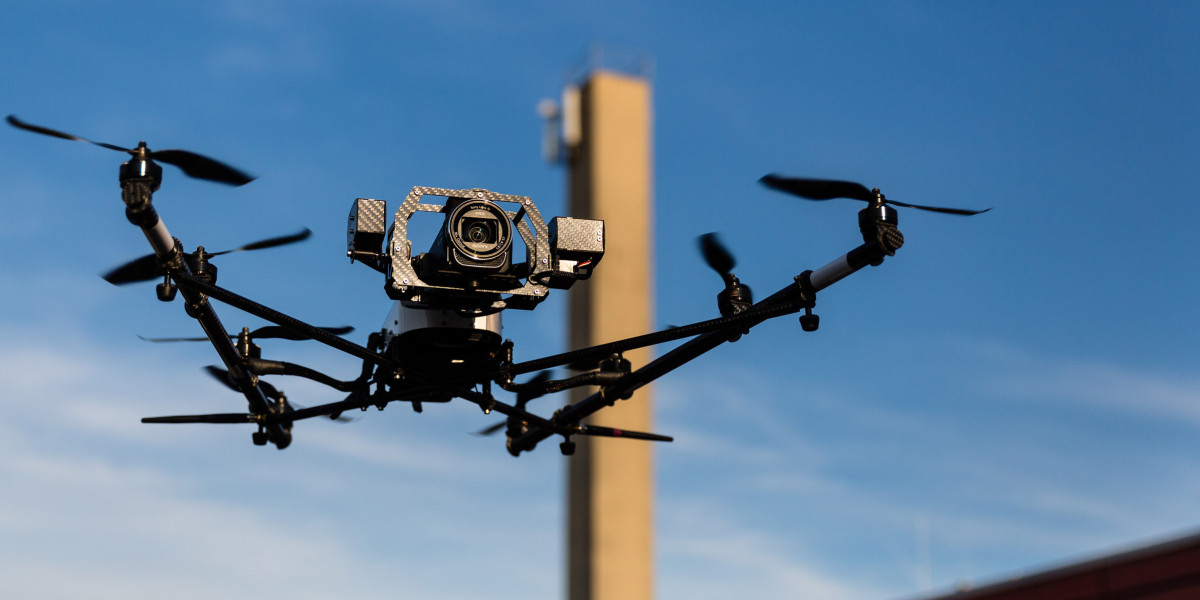
The inspection drone market has emerged as a transformative segment within the unmanned aerial vehicle industry, offering efficient and safe solutions for inspection and monitoring tasks across multiple sectors. Inspection drones are equipped with high resolution cameras, thermal sensors, lidar systems, and advanced navigation technologies that enable detailed assessment of assets and infrastructure. These drones are widely used for inspecting power lines, wind turbines, bridges, pipelines, industrial plants, construction sites, and large facilities. By replacing manual inspections, drones significantly reduce safety risks, inspection time, and operational costs. Growing focus on asset integrity, predictive maintenance, and operational efficiency has accelerated adoption across industries. As digitalization and automation reshape traditional inspection practices, the inspection drone market is becoming a critical tool for modern infrastructure management and industrial operations worldwide.
Market Drivers
One of the key drivers of the inspection drone market is the increasing emphasis on worker safety. Traditional inspection methods often require personnel to work at heights, confined spaces, or hazardous environments, increasing the risk of accidents. Drones enable remote inspections, minimizing human exposure to danger. Cost efficiency is another major driver, as drone based inspections reduce downtime and eliminate the need for scaffolding, cranes, or shutdowns. Rapid growth in renewable energy installations such as wind farms and solar plants has also boosted demand for drone inspections to monitor equipment performance and detect faults. Infrastructure aging across many regions is driving demand for frequent inspections and maintenance planning. Advances in sensor technology, artificial intelligence, and data analytics further enhance the value of drones by enabling automated defect detection and detailed reporting.
Market Challenges
Despite strong growth prospects, the inspection drone market faces several challenges. Regulatory restrictions related to airspace usage, flight permissions, and beyond visual line of sight operations can limit deployment in some regions. Battery life constraints restrict flight duration and coverage area, particularly for large scale inspections. Weather conditions such as strong winds, rain, and extreme temperatures can affect drone performance and reliability. Skilled operators and data analysts are required to manage drone operations and interpret inspection data, increasing training costs. Cybersecurity and data privacy concerns are also emerging as critical issues, especially when drones capture sensitive infrastructure information. Additionally, integration of drone data with existing asset management systems can be complex, requiring standardized workflows and software compatibility.
Market Opportunities
The inspection drone market offers significant opportunities driven by technological innovation and expanding applications. Development of longer endurance drones and hybrid power systems can extend operational range and inspection time. Artificial intelligence based image processing and machine learning algorithms enable automated defect detection, reducing reliance on manual analysis. Expansion of smart city projects creates demand for drone based inspection of buildings, traffic systems, and public infrastructure. Industrial sectors such as oil and gas, mining, and utilities continue to explore drone solutions for routine inspections and emergency response. Emerging economies investing in infrastructure development present new growth opportunities. Integration of drones with digital twins and predictive maintenance platforms further enhances their role in asset lifecycle management and operational optimization.
Regional Insights
North America holds a significant share of the inspection drone market due to early adoption of drone technology and strong presence of technology providers. Supportive regulatory frameworks and high investment in infrastructure inspection support market growth. Europe represents a growing market driven by infrastructure maintenance needs, renewable energy expansion, and safety regulations. Asia Pacific is expected to witness rapid growth due to large scale infrastructure projects, industrial expansion, and increasing acceptance of drone solutions. Countries in this region are investing in smart infrastructure and automation, boosting drone adoption. The Middle East and Africa show growing interest driven by oil and gas operations, utility inspections, and construction projects. Latin America is gradually adopting inspection drones as awareness and regulatory clarity improve.
Future Outlook
The future of the inspection drone market appears highly promising as industries continue to adopt digital inspection and maintenance strategies. Improvements in autonomy, obstacle avoidance, and real time data transmission will enhance operational efficiency. Wider regulatory acceptance of beyond visual line of sight operations will significantly expand use cases. Integration of drones with enterprise asset management systems will enable seamless inspection workflows. As artificial intelligence and sensor technologies advance, inspection drones will provide more accurate and actionable insights. Long term growth will be supported by increasing focus on infrastructure resilience, sustainability, and cost optimization across industries worldwide.
Conclusion
The inspection drone market is reshaping how industries approach inspection and maintenance activities. Strong drivers such as safety improvement, cost reduction, and technological advancement continue to accelerate adoption. While challenges related to regulation, battery life, and data management persist, ongoing innovation and policy development are addressing these issues. Opportunities in renewable energy, smart infrastructure, and predictive maintenance further strengthen market prospects. As organizations seek efficient and data driven inspection solutions, inspection drones are expected to become an integral part of modern asset management and infrastructure monitoring globally.