
Few driving problems feel as stressful as struggling to shift gears smoothly, hearing grinding noises, or noticing a burning smell every time you press the clutch. These issues don’t just affect comfort — they can quickly damage your transmission and lead to expensive repairs.
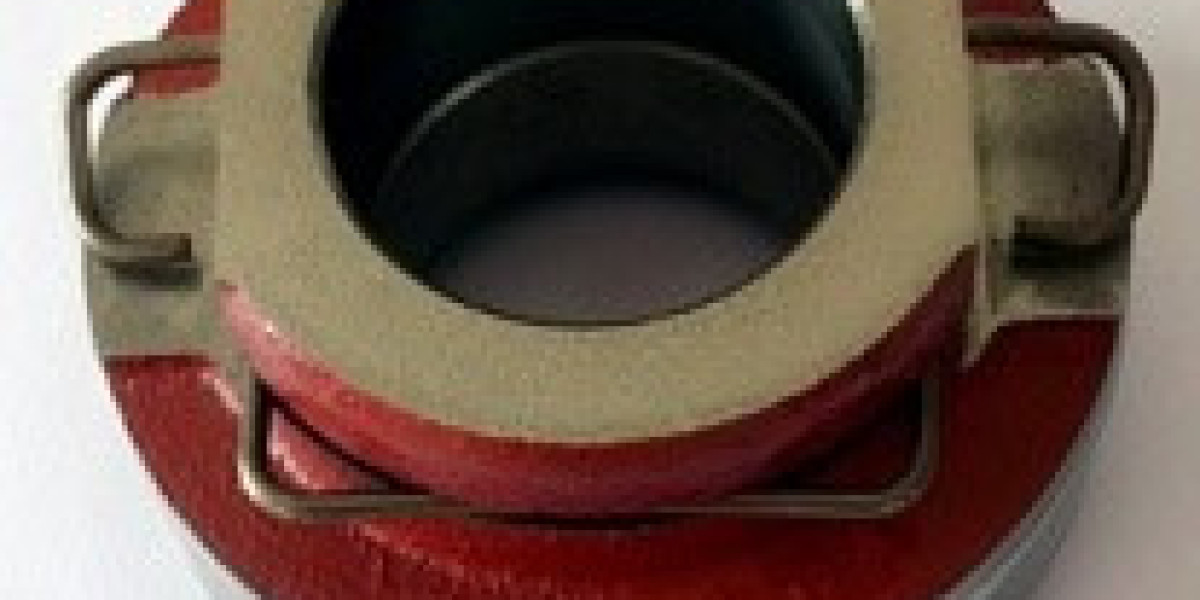
In many cases, the root cause is a worn or low-quality clutch release bearing. This small but critical component allows the clutch to disengage smoothly. When it wears out, friction increases, shifting becomes harder, and performance drops.
That’s why choosing a durable, precision-built clutch release bearing is essential for both safety and long-term reliability.
? What Does a Clutch Release Bearing Actually Do?
Every time you press your clutch pedal, the bearing transfers force while allowing rotation. When it works correctly, the process is almost silent and effortless.
But when the bearing wears:
You hear squealing or grinding
Gear shifts feel stiff or jerky
The pedal vibrates or feels rough
Heat builds up around the clutch area
Transmission parts begin to wear faster
A high-quality clutch release bearing reduces friction, ensures smoother engagement, and protects surrounding components.
⚠️ Warning Signs You Shouldn’t Ignore
Small clutch issues rarely fix themselves. Watch for these symptoms:
1️⃣ Noise When Pressing the Clutch
Rattling, squeaks, or rumbling usually indicate internal wear.
2️⃣ Difficulty Changing Gears
Hard shifts often mean the clutch isn’t disengaging fully.
3️⃣ Burning Smell
Excess friction can overheat the clutch system.
4️⃣ Pedal Vibration
Vibration signals misalignment or bearing damage.
Catching these problems early prevents major transmission repairs later.
? Why Quality Matters So Much
Cheap bearings may save money upfront — but they often fail sooner. A well-engineered clutch bearing offers:
Heat-resistant materials
Smooth, quiet rotation
Longer service life
Precise fitment and alignment
Strong load-bearing capability
Better materials mean less friction, less noise, and fewer breakdowns.
? Installation & Maintenance Tips
To maximize performance and lifespan:
Always replace the bearing when replacing the clutch
Inspect pressure plate and flywheel at the same time
Avoid driving with your foot resting on the clutch pedal
Fix leaks that may contaminate the bearing
Address noise immediately instead of delaying repairs
Proper installation protects the entire drivetrain.
Final Thought
Drivers often replace clutch plates without addressing the bearing — and the problem returns. The clutch system works as a whole. Ignoring one worn part puts pressure on everything else.
Investing in a reliable clutch release bearing helps:
Prevent costly transmission repairs
Improve shifting comfort
Extend clutch lifespan
Reduce noise, heat, and vibration
Solve clutch problems early — and avoid breakdowns later.