
Introduction
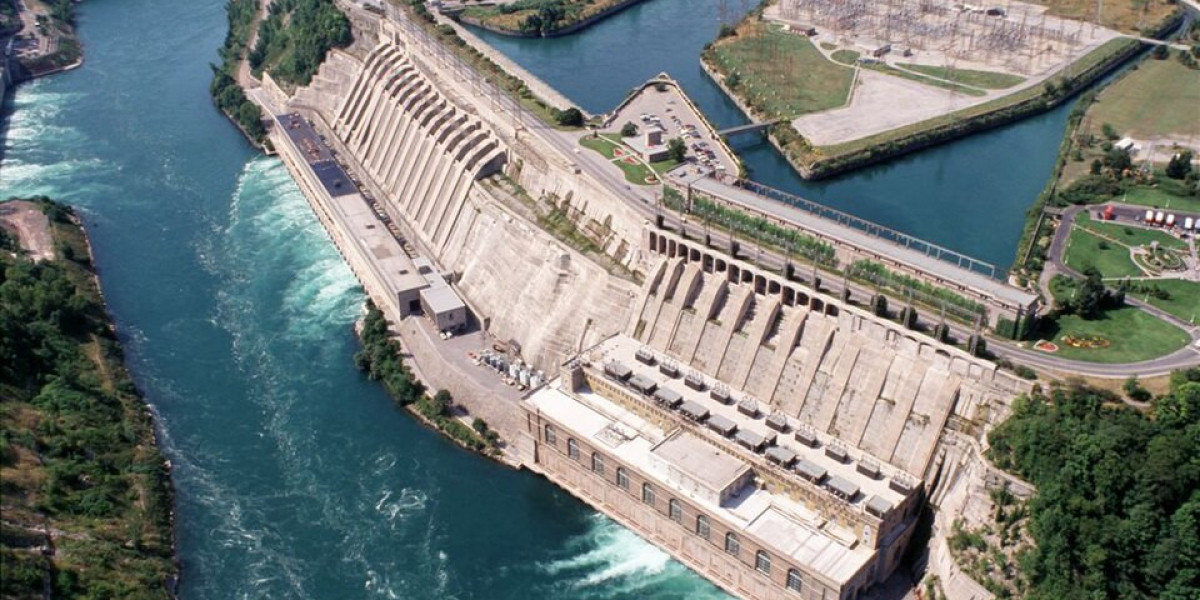
The Hydroelectric Power Generation Market is one of the oldest and most established segments of the global renewable energy industry, providing reliable, large-scale, and low-carbon electricity generation. Hydropower systems convert the kinetic and potential energy of flowing or stored water into electricity using turbines and generators. These systems range from large dam-based power plants and pumped storage facilities to small and run-of-river installations. Hydroelectric power plays a critical role in ensuring grid stability, meeting peak demand, and supporting energy security, particularly in regions with abundant water resources. As countries accelerate their transition toward clean energy and seek dependable alternatives to fossil fuels, hydropower continues to serve as a backbone renewable resource, complementing variable sources such as solar and wind.
Market Drivers
One of the primary drivers of the Hydroelectric Power Generation Market is the global push toward decarbonization and reduction of greenhouse gas emissions. Hydropower produces electricity with minimal direct emissions, making it an attractive option for countries committed to climate targets and net-zero goals. Another major driver is the ability of hydropower plants to provide reliable baseload and peak power. Unlike solar and wind energy, hydropower can be dispatched on demand, offering flexibility and grid-balancing capabilities. Growing electricity demand driven by population growth, urbanization, industrial expansion, and electrification of transport and heating is also fueling market growth. In addition, hydropower supports energy security by reducing dependence on imported fossil fuels, particularly in regions with domestic water resources. Government investments, long-term renewable energy policies, and international funding for clean energy infrastructure further strengthen hydropower development.
Market Challenges
Despite its advantages, the Hydroelectric Power Generation Market faces several challenges. High upfront capital investment for dam construction, civil works, turbines, and transmission infrastructure can limit new project development, especially in developing economies. Long project timelines, complex permitting processes, and environmental impact assessments often delay hydropower projects. Environmental and social concerns related to ecosystem disruption, biodiversity loss, land submergence, and displacement of communities have increased opposition to large dam projects in some regions. Climate change also poses risks, as changing precipitation patterns and prolonged droughts can affect water availability and power generation capacity. Aging hydropower infrastructure in mature markets requires refurbishment and modernization, adding to cost pressures. Balancing environmental protection with energy generation remains a critical challenge for market stakeholders.
Market Opportunities
The market presents strong opportunities through modernization, diversification, and technological advancement. Upgrading and refurbishing existing hydropower plants offers a cost-effective way to increase capacity, improve efficiency, and extend asset life without building new dams. Pumped storage hydropower is gaining renewed attention as a large-scale energy storage solution that supports renewable integration by balancing variable solar and wind output. Small and run-of-river hydropower projects present growth opportunities with lower environmental impact and faster development timelines. Emerging economies offer significant potential as they seek to expand renewable capacity and improve grid reliability. Technological innovations in turbine design, digital monitoring, and predictive maintenance are enhancing performance and reducing downtime. Additionally, integration of hydropower with smart grids and regional power trading initiatives is expanding its strategic role in modern energy systems.
Regional Insights
Asia-Pacific holds a dominant share of the Hydroelectric Power Generation Market due to extensive river systems, large-scale infrastructure investment, and growing electricity demand. Countries in this region have developed some of the world’s largest hydropower projects to support economic growth and energy security. South America is another key market, with hydropower forming a significant portion of electricity generation in several countries due to abundant water resources. North America represents a mature market characterized by large existing hydropower capacity and increasing focus on refurbishment and efficiency upgrades. Europe plays an important role through pumped storage facilities and cross-border power balancing, supporting renewable integration. Africa is an emerging market where hydropower is central to electrification strategies, although development is influenced by financing, infrastructure, and climate variability.
Future Outlook
The future outlook for the Hydroelectric Power Generation Market is stable and strategically important. While growth in new large-scale dam projects may be moderate in some regions, overall market relevance will remain strong due to hydropower’s reliability and flexibility. Pumped storage hydropower is expected to see significant expansion as power systems integrate higher shares of intermittent renewables. Climate resilience and sustainable water management will become increasingly important in project planning and operation. Digitalization and automation will enhance operational efficiency, asset monitoring, and grid responsiveness. As countries pursue diversified renewable energy portfolios, hydropower will continue to act as a stabilizing force within low-carbon power systems.
Conclusion
The Hydroelectric Power Generation Market remains a foundational pillar of the global renewable energy landscape, delivering reliable, low-emission electricity and essential grid support services. Driven by decarbonization goals, rising power demand, and the need for dispatchable renewable energy, the market continues to play a vital role worldwide. Although challenges related to cost, environmental impact, and climate variability persist, modernization and technological innovation are addressing many of these concerns. With its unique ability to combine clean energy generation and grid flexibility, hydropower is set to remain an indispensable component of sustainable and resilient energy systems.