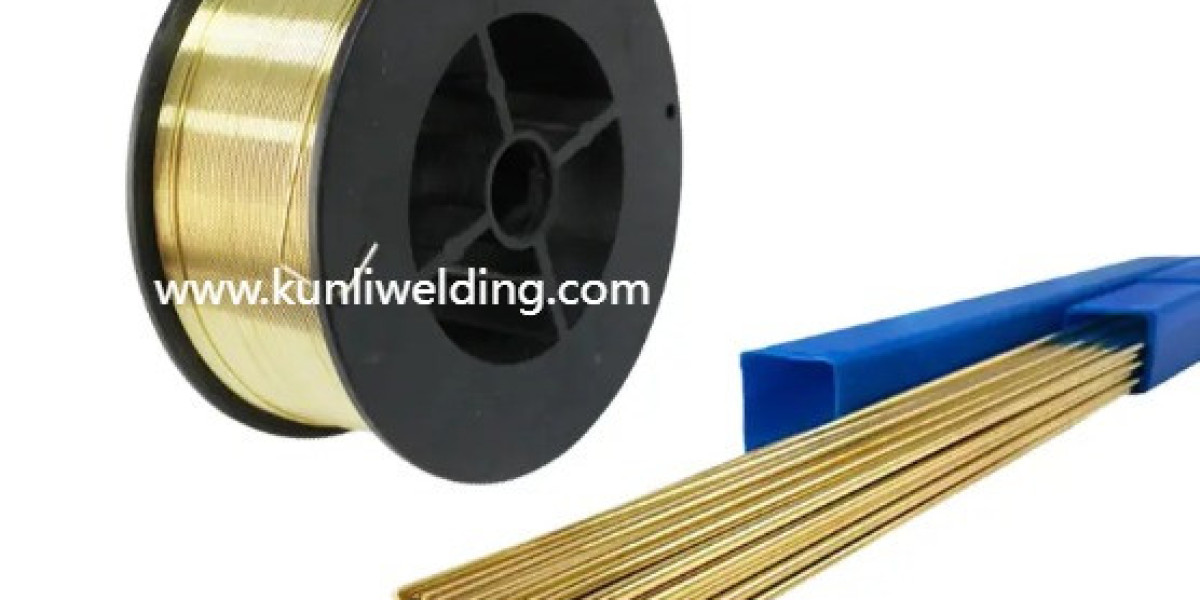

Welding aluminum successfully requires addressing numerous variables that influence joint quality and defect occurrence. Even experienced fabricators encounter challenges when environmental conditions, material preparation, or technique variations create problems during welding operations. Understanding common issues and implementing preventive strategies improves consistency while reducing frustration and rework costs. When working with Kunli Aluminum Welding Wire ER5356 , recognizing potential problems and their prevention methods helps operators achieve reliable results across diverse fabrication scenarios rather than troubleshooting recurring defects that disrupt production schedules and compromise quality outcomes.
Porosity represents one of the most frequent aluminum welding defects, appearing as gas pockets trapped within solidified weld metal. Hydrogen contamination causes most porosity issues, with moisture being the primary hydrogen source. Preventing porosity begins with thorough base metal cleaning removing oils, moisture, and surface oxides that release hydrogen during welding. Chemical degreasers followed by mechanical cleaning with dedicated stainless steel brushes prepare surfaces adequately. Wire cleanliness matters equally, requiring proper storage in sealed packaging with desiccants preventing moisture absorption. Shielding gas purity and flow rate verification ensures atmospheric protection remains adequate throughout welding operations. Wind drafts disrupt gas coverage, necessitating windscreens or repositioning work in sheltered locations when welding in open shop environments.
Feeding problems disrupt arc stability and weld quality when wire fails to advance smoothly through welding equipment. Aluminum's softness makes it prone to deformation under excessive drive roll pressure, while insufficient pressure causes slipping. Proper drive roll configuration using U-groove or knurled designs appropriate for aluminum prevents crushing while maintaining adequate grip. Liner selection significantly impacts feeding behavior, with specialized low-friction liners reducing resistance compared to steel liners designed for harder wire materials. Regular liner inspection and replacement when worn or kinked maintains smooth wire path preventing binding. Contact tip sizing matches wire diameter closely without excessive clearance that allows wandering or restriction that increases friction. Equipment maintenance removing wire shavings and debris from drive mechanisms prevents contamination buildup degrading feeding performance over time.
Burn-through in thin materials results from excessive heat input overwhelming material thickness capacity. Reducing current settings and increasing travel speed lowers heat input preventing perforation while maintaining adequate fusion. Backing bars or chill blocks behind weld zones absorb excess heat protecting against burn-through during root pass welding. Pulsed welding techniques alternate between peak and background current levels, reducing average heat input while maintaining arc stability. Skip welding allows heat dissipation between weld segments preventing cumulative heat buildup in thin gauge fabrications. Material fixturing prevents gap opening from thermal distortion that exacerbates burn-through tendencies when fit-up loosens during welding progression.
Cracking issues arise from solidification stresses combined with weld pool chemistry. Aluminum Welding Wire ER5356 provides inherent crack resistance through its magnesium content, though other factors still influence cracking susceptibility. Joint restraint from fixturing or rigid structural geometry increases stress levels promoting cracking. Modifying welding sequence to manage restraint and preheating thick sections reduces thermal gradients minimizing cracking tendencies. Adequate filler addition prevents concave weld profiles that concentrate stresses along weld centerlines. Crater filling at weld termination eliminates crack initiation sites where shrinkage stresses concentrate in unfilled craters. Material compatibility verification ensures base metal selections work successfully with chosen filler chemistry avoiding metallurgical incompatibilities creating cracking problems.
Incomplete fusion manifests as lack of bonding between weld metal and base material or between weld passes in multi-pass applications. Inadequate heat input or improper torch angle causes fusion defects. Increasing current settings or reducing travel speed provides necessary heat for complete melting and fusion. Maintaining appropriate torch angles directs arc force into joint roots ensuring penetration reaches full joint depth. Joint preparation removing mill scale, oxides, and contaminants from surfaces promotes wetting and fusion. Interpass cleaning between weld layers removes oxides forming during previous pass cooling, ensuring subsequent passes fuse completely rather than bridging over contaminated surfaces without metallurgical bonding.
Distortion from uneven heating and cooling creates dimensional problems affecting assembly fit and cosmetic appearance. Balancing heat input through proper parameter selection minimizes distortion tendencies. Welding sequence planning distributes heat input patterns preventing cumulative heating on one side causing asymmetric shrinkage. Tack welding at strategic locations controls movement during welding progression. Clamping fixtures restrain distortion though excessive restraint increases residual stresses and cracking potential. Skip welding and backstep techniques manage heat distribution reducing distortion compared to continuous welding in single directions. Post-weld straightening corrects minor distortion though prevention through proper technique proves more efficient than correction after completion.
Equipment malfunction contributes to welding problems when operators overlook maintenance requirements. Contact tip wear enlarges wire passage creating arc wander and inconsistent positioning. Regular tip replacement maintains precise wire delivery. Gas diffuser cleaning prevents flow restriction reducing shielding effectiveness. Drive roll inspection identifies wear patterns requiring replacement before feeding problems develop. Cable damage increases electrical resistance affecting arc characteristics. Routine equipment inspection catches developing problems before they cause weld defects or production interruptions.
Aluminum Welding Wire ER5356 performs reliably when operators implement proper techniques and maintain equipment adequately. Many apparent material problems actually stem from procedural issues or equipment neglect rather than filler wire characteristics. Systematic troubleshooting identifying root causes rather than symptoms enables effective problem resolution. Documentation of successful parameters and procedures creates reference information preventing repeated problem-solving efforts for similar applications. Training emphasizing prevention rather than just correction develops operator skills producing consistent quality avoiding defects rather than spending time on rework.
Environmental control over welding area conditions supports consistent results. Temperature extremes affect equipment performance and material behavior. Humidity control prevents moisture contamination causing porosity. Ventilation maintains air quality without creating drafts disrupting shielding gas coverage. Proper lighting enables visual monitoring of weld pool behavior for technique adjustments. Organized workspaces with clean material storage reduce contamination risks from shop environment. These environmental factors collectively influence welding outcomes though individual impact may seem minor. Comprehensive attention to all contributing factors produces reliable quality across production operations.
Preventing common welding issues requires systematic attention to material preparation, equipment maintenance, technique execution, and environmental conditions. Understanding how these factors interact and implementing comprehensive preventive practices supports consistent quality outcomes while reducing defect occurrence rates that impact productivity and profitability across aluminum fabrication operations. Additional technical guidance and troubleshooting resources are available at https://www.kunliwelding.com/ .