
Introduction
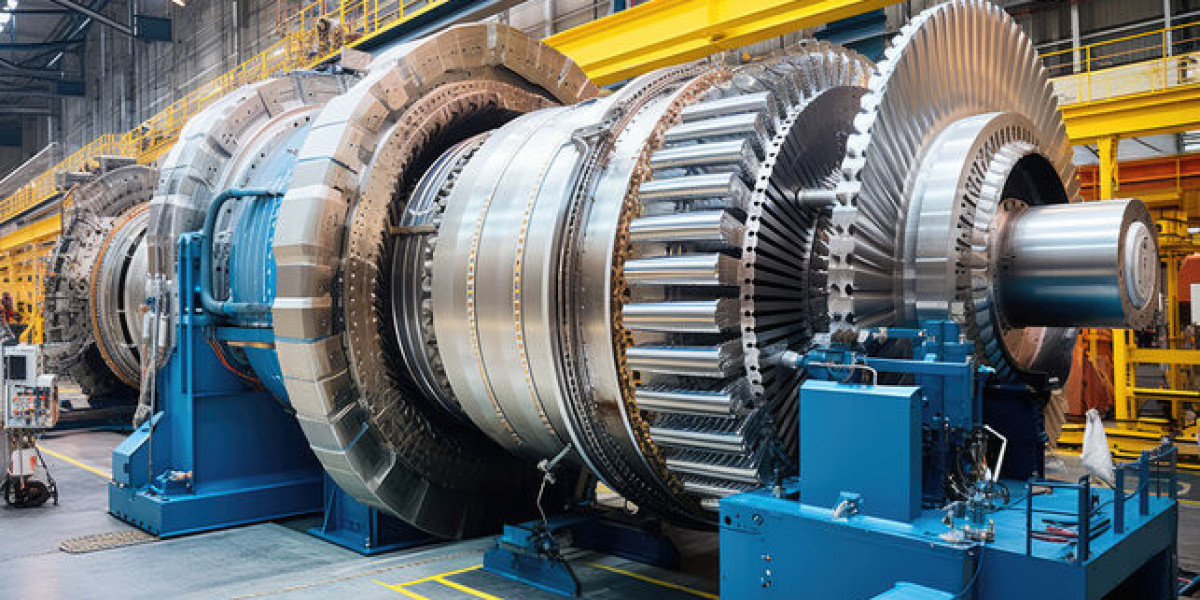
The Steam Turbine Market is a cornerstone of the global power generation and industrial energy sector, providing the technology that converts thermal energy from steam into mechanical energy and electricity. Steam turbines are widely used in coal-fired, nuclear, biomass, and concentrated solar power plants, as well as in industrial combined heat and power systems. They are also essential in refining, petrochemical, and manufacturing industries where steam is used for both power and process heat. Despite the rapid growth of renewable energy, steam turbines remain a critical part of the world’s energy infrastructure due to their efficiency, scalability, and ability to operate with a wide range of heat sources.
Market Drivers
One of the main drivers of the Steam Turbine Market is the continued demand for electricity and industrial steam. Many countries still rely heavily on thermal power plants, including coal, gas, nuclear, and biomass facilities, to meet base-load electricity demand. Steam turbines are the core technology in these plants, ensuring stable and high-capacity power generation.
The growth of combined heat and power (CHP) systems is another important driver. CHP plants use steam turbines to generate electricity while capturing waste heat for industrial processes or district heating. This improves overall energy efficiency and reduces fuel consumption, making steam turbines an attractive solution for industries and municipalities seeking to lower energy costs and emissions.
Investments in nuclear energy and biomass power also support market growth. Nuclear reactors require large steam turbines for electricity generation, while biomass plants use steam turbines to convert renewable heat into power, contributing to low-carbon energy goals.
Market Challenges
The Steam Turbine Market faces challenges related to the global energy transition. Many countries are reducing their dependence on coal-fired power plants due to environmental concerns, which can limit demand for new steam turbines in some regions. The shift toward wind, solar, and other renewable technologies reduces the number of new thermal power plants being built.
High capital and maintenance costs also present challenges. Steam turbines are large, complex machines that require significant investment and specialized maintenance. Downtime can be costly, especially for power plants and industrial facilities that depend on continuous operation.
Another challenge is competition from gas turbines in certain applications. Gas turbines are often preferred for fast-start and flexible power generation, which can limit steam turbine adoption in some new projects.
Market Opportunities
The transition to cleaner energy does not eliminate opportunities for steam turbines. Instead, it is shifting their role. Biomass, waste-to-energy, geothermal, and concentrated solar power plants all rely on steam turbines, creating new demand in low-carbon energy projects.
The modernization and refurbishment of existing power plants also offer strong opportunities. Many aging steam turbines require upgrades to improve efficiency, extend lifespan, and reduce emissions. Retrofitting and service contracts provide long-term revenue streams for manufacturers and service providers.
Industrial growth in emerging markets presents additional opportunities. New refineries, chemical plants, and manufacturing facilities often require steam turbines for both power generation and process heat, driving steady demand.
Regional Insights
Asia-Pacific dominates the Steam Turbine Market due to its large power generation capacity and industrial base. Countries such as China and India continue to invest in thermal power, nuclear energy, and industrial infrastructure, supporting strong demand for steam turbines.
North America and Europe remain important markets, driven by the modernization of existing plants, nuclear energy, and biomass and CHP projects. These regions are also investing in efficiency upgrades and emissions reduction technologies.
Other regions, including the Middle East, Africa, and Latin America, are expanding their power and industrial infrastructure, creating new opportunities for steam turbine installations.
Future Outlook
The Steam Turbine Market is expected to remain stable and evolve alongside the global energy transition. While coal-based power may decline in some regions, growth in nuclear, biomass, waste-to-energy, and industrial CHP will continue to support demand.
Technological advancements in materials, blade design, and digital monitoring will improve turbine efficiency, reliability, and maintenance planning. These improvements will make steam turbines more competitive and sustainable in modern energy systems.
With ongoing demand for reliable power and industrial steam, steam turbines will remain a vital part of the global energy landscape.
Conclusion
The Steam Turbine Market continues to play a fundamental role in power generation and industrial energy systems. Driven by electricity demand, CHP growth, and investments in nuclear and biomass power, the market offers long-term stability. Although challenged by the shift toward renewables and competition from gas turbines, innovation and new low-carbon applications will keep steam turbines relevant for decades to come.