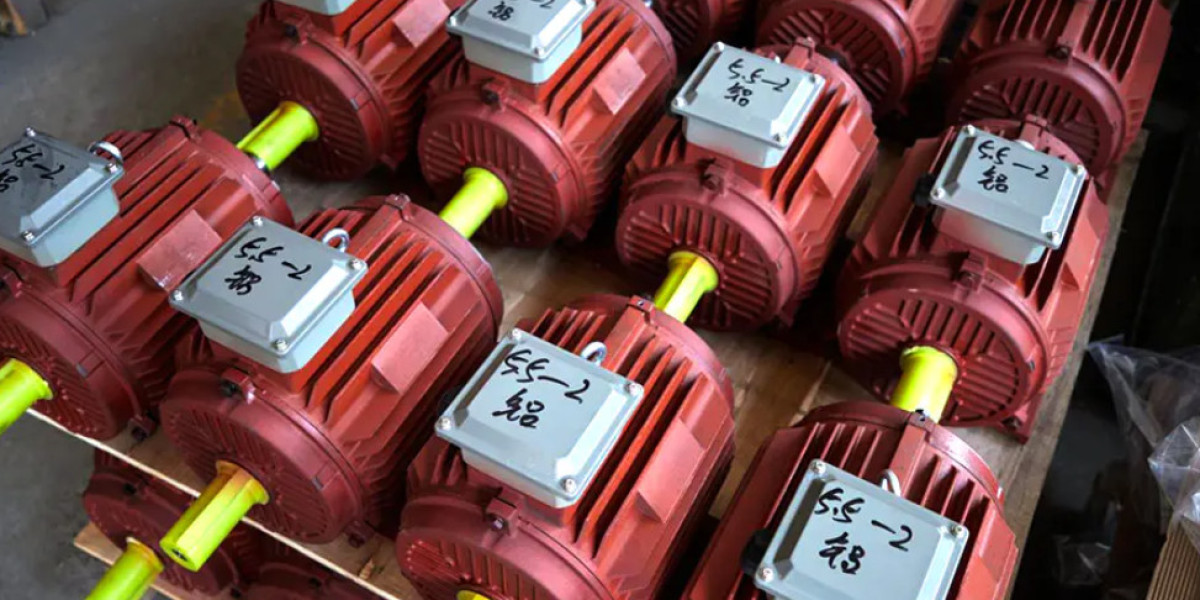

Professionals researching electric motors often encounter a recurring debate between traditional induction AC motors and units that incorporate permanent magnet technology. One of the keywords that come up again and again is the clarity on how a permanent magnet synchronous motor actually works in contrast to more conventional AC motors.
A permanent magnet synchronous motor uses magnets on the rotor to create a constant magnetic field that locks with the rotating magnetic field from the stator windings. This means the rotor turns in exact synchronization with the electrical frequency supplied — an attribute users appreciate for precision applications. In contrast, many traditional AC induction motors rely on induced currents in the rotor and typically run slightly below synchronous speed.
On discussion boards, potential buyers regularly express curiosity about how this translates into real-world benefits and limitations. For example, because the rotor does not require external excitation currents, the synchronous design often yields better power factor and efficiency at light loads. However, magnets can increase initial system cost and raise questions about reliability under extreme temperatures or long-term degradation.
This leads many to contact their preferred AC motor supplier with questions about performance curves, efficiency expectations, maintenance protocols, and long-term availability. Experienced suppliers often draw on feedback from similar installations to provide context around expected energy savings versus potential handling precautions.
Ultimately, buyer questions focus less on theoretical efficiency numbers and more on tangible concerns such as lifecycle cost, ease of integration with drive electronics, and access to service and spare parts — topics that resonate across industry forums.