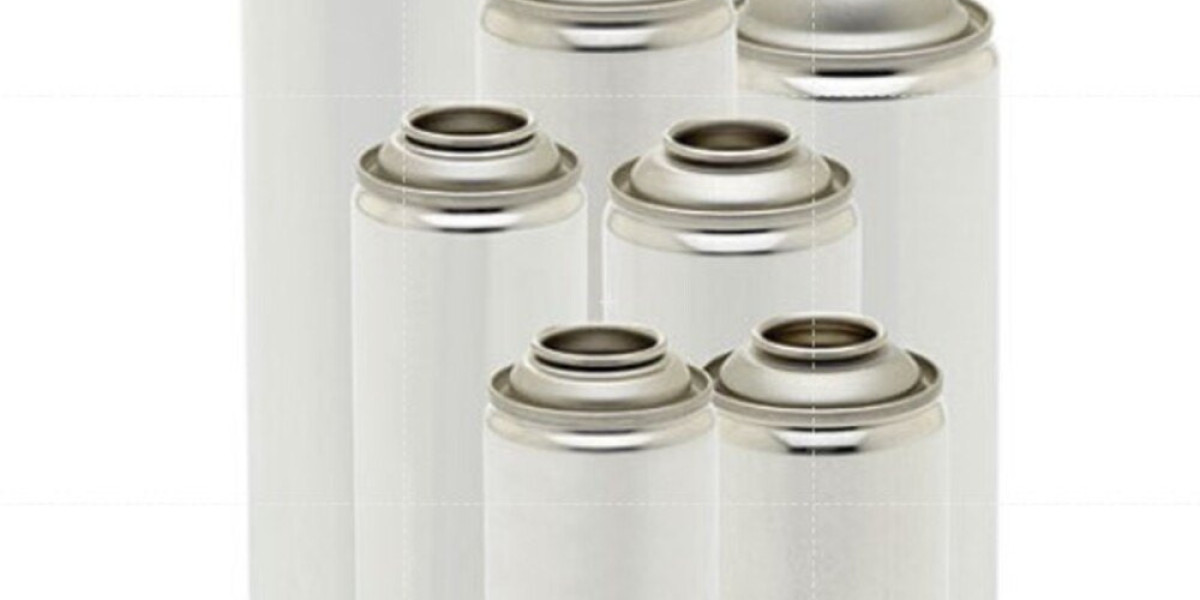

A careful camper knows that small details in prep often keep a trip calm and safe which is why the Bluefire 100g Gas Cartridge deserves a place in any packing conversation. When unused fuel sits for weeks or months the way it is stored will affect how reliably it performs when you need it. Treating cartridges like precision items rather than disposable tins makes sense for anyone who cooks outdoors regularly and wants fewer surprises at the stove.
Start with where you keep spare cartridges at home. A cool dry spot away from direct sunlight keeps pressure and seal materials in stable condition while also reducing the risk of accidental heat exposure. Storing canisters upright on a shelf inside a cupboard or closet protects threaded fittings and prevents knocks and bumps during handling. Avoid placing cartridges beside heaters ovens or other heat sources since high temperatures can stress the metal and valve assembly and raise safety concerns for storage in living spaces.
Temperature swings matter. Rapid cycles from warm to cold challenge seals and may speed aging of gaskets so try to choose a stable environment for long term storage. If you live in a region with large seasonal variation moving stock between a heated room and an unheated garage is less desirable than keeping reserves in a consistently moderate location. When you carry cartridges in a pack on a warm day then store them overnight in a cooler place the brief exposure will not usually harm them but repeated cycles over months will make degradation more likely.
Keep unused cartridges away from corrosive chemicals or salty air. Salt and strong cleaners can affect outer coatings and accelerate surface wear. If you must transport cartridges in a vehicle keep them secured so they do not roll around or get crushed under other gear. Use a small rigid box or a dedicated pouch to protect threaded fittings and to keep stray objects from making contact with valves. A simple compartment in your gear bag keeps cartridges safe and makes them easy to find when a meal break arrives.
Care and inspection go together. Before putting any stored cartridge into a stove check for obvious signs of damage dents or corrosion near the valve. Threads that show wear or grime should be cleaned carefully with a soft cloth before use but do not attempt to force or repair damaged fittings. If a valve looks suspect swap the cartridge out rather than risk a poor connection in the field. Routine checks reduce chances of leaks or poor combustion which both shorten useful burn time and create hazards.
Labeling and rotation are practical helpers. Keep a small note or marker on boxes so you use older cartridges first and avoid indefinite storage of any single unit. This method lowers the chance that a forgotten canister becomes a brittle or leaky item later. If you buy cartridges for a group event or a business keep stock visible and follow a simple rotation habit so older stock is used first and any problematic units are identified early.
When traveling by air or ferry be mindful of carrier rules. Many transport services restrict or prohibit pressurized fuel in passenger compartments. If you plan to move between cities and expect to carry spares check regulations before you travel and plan alternatives when rules do not allow carriage. For routine road travel secure canisters so they cannot shift and avoid leaving them in a hot parked car for long periods.
Manufacturing and certification details matter for storage recommendations too. Product pages and guidance from makers often specify tests and inspections that are part of their quality control. That guidance can help you understand what to expect and how conservatively you should handle storage and transport. The product description notes compliance with recognized standards and routine air tightness and drop tests as part of production oversight which gives a useful baseline for handling and inspection expectations.
Think about how many cartridges to keep on hand based on how remote your route is. Short overnight trips rarely demand more than one spare but longer loops or periods of bad weather make a case for carrying additional replacements. Packing extra cartridges is not just a convenience it is part of prudent planning when resupply is uncertain. Keep spares packed where they are accessible rather than buried at the bottom of a pack so switching a unit in the field is quick and safe.
Finally store cartridges away from children and pets and keep them in original packaging when possible. Original boxes provide an additional layer of protection and make handling easier on busy trail mornings. If you keep a small workshop for gear maintenance ensure cartridges are stored separately from tools and adhesives that could cause accidental damage.
When it is time to buy replacements choose cartridge options that come with clear guidance on testing and handling. That information helps align storage practices to the manufacturer suggestions and reduces guesswork on how to treat unused stock. If you want specifics about available options and the production checks that the manufacturer runs you can read details and product descriptions directly at this location https://www.bluefirecans.com/product/ .