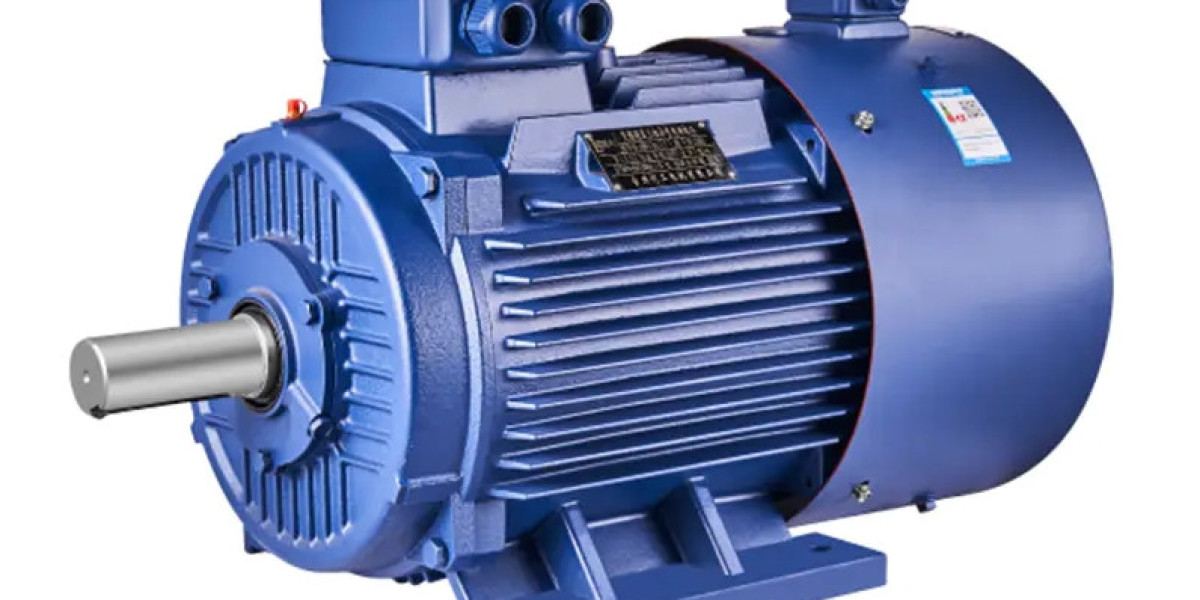

Across professional forums and social platforms, many users raise questions about the perceived durability of high-efficiency motors compared with more conventional counterparts. Some misconceptions stem from confusing structural design features with performance metrics. For instance, users sometimes assume that a higher efficiency label inherently means reduced material robustness. In fact, energy efficiency improvements are usually achieved by optimizing electrical steel quality and winding design rather than by sacrificing structural strength.
Another frequent question revolves around how these efficient designs perform over time. Maintenance threads often stress the need for appropriate cooling, harmonic control, and routine checks, noting that unexpected failures often result from poor power quality or neglect rather than from the efficiency focus itself. Issues such as bearing currents introduced by variable speed drives are highly technical but can be significant if not considered in the drivetrain design.
Meanwhile, conversations about industrial asynchronous motors frequently cover clarity on operating principles. In Q&A style content, professionals explain that “asynchronous” refers to the slip between rotor speed and the rotating magnetic field, which is fundamental to how these motors generate torque. Understanding this principle helps users set realistic expectations for performance under fluctuating loads, as the slip characteristic affects energy consumption and heat generation.
Many seasoned users also highlight that motor choice must balance efficiency with the compatibility of control systems such as VFDs (variable frequency drives). Matching motor specifications with control electronics can prevent issues like premature bearing wear or elevated vibration, which are more likely to affect lifetime reliability than nominal efficiency ratings. Consequently, community discussions often steer newcomers toward understanding the broader system design rather than focusing solely on energy labels.