
Wear and fatigue in drilling components are frequent topics of discussion among drill operators and maintenance staff, especially when unpredictable problems occur down the hole. One of the tools most discussed is the DTH Hammer — its internal components must endure repeated impact cycles, and understanding wear patterns helps avoid unexpected breakdowns.
One prevalent sign of wear is abnormal button wear or breakage on bits. Operators often uncover that uneven wear is not necessarily caused solely by the rock type. Instead, it may result from incorrect drilling parameters such as excessive rotation speed or insufficient lubrication, causing irregular stress on the cutting surfaces.
Failures in adapters and connectors are also commonly reported on forums and technical pages. For example, thread wear above or below the coupling area indicates poor alignment or mismatches between mating parts. Excessive feed force during drilling can accelerate such wear, reducing the effective life of components and leading to unexpected stalls in operations.
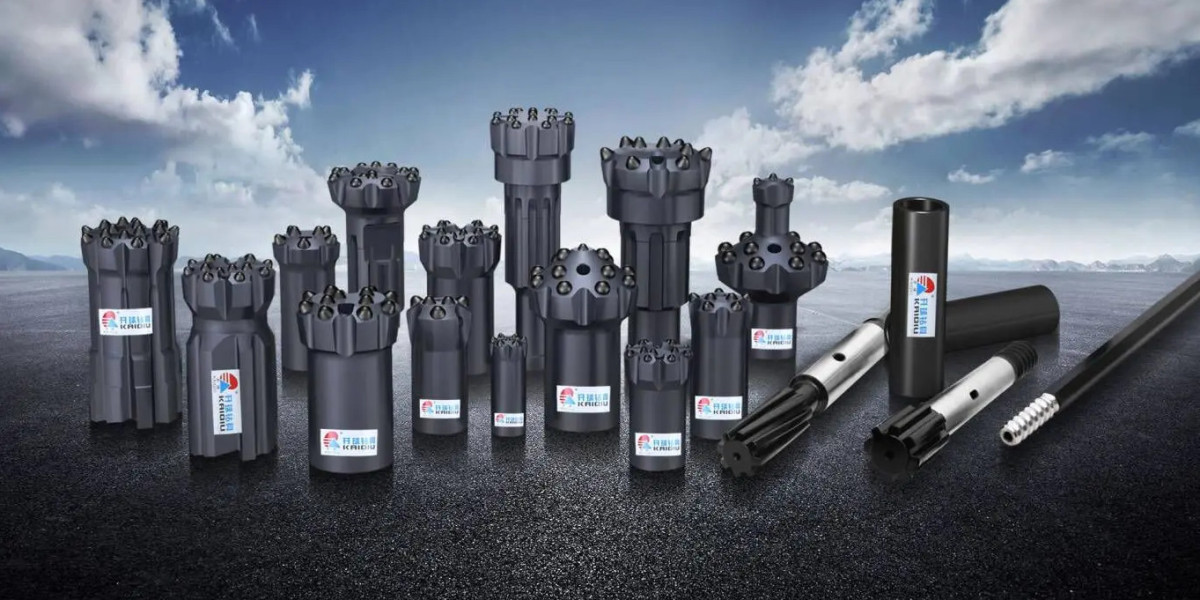
Many drill crews have learned to pay keen attention to interface parts like the Shank Adapter. These adapters serve as the mechanical bridge between the hammer and the drill rods. If the threads become worn or fail to seat correctly, energy transfer suffers, and stress concentrates on a few points, increasing fatigue risks.
Another common failure mode seen in field discussions relates to spline shoulder wear — often caused by excessive rotation when retracting the drill string. This is typically resolved by adjusting drilling pressures and improving retraction techniques.
Corrosion and surface cracking, especially in moist environments, also contribute to premature component failure. Regular inspection of housing, coupling threads, and striking faces yields early warnings that help operators swap out worn parts before they fail catastrophically.
For maintenance teams, adopting a proactive inspection plan that checks for visible deformation, thread condition, and lubrication levels significantly reduces unscheduled repair time. Sharing insights through community forums and internal logs helps drill crews learn from one another and refine best practices over time.