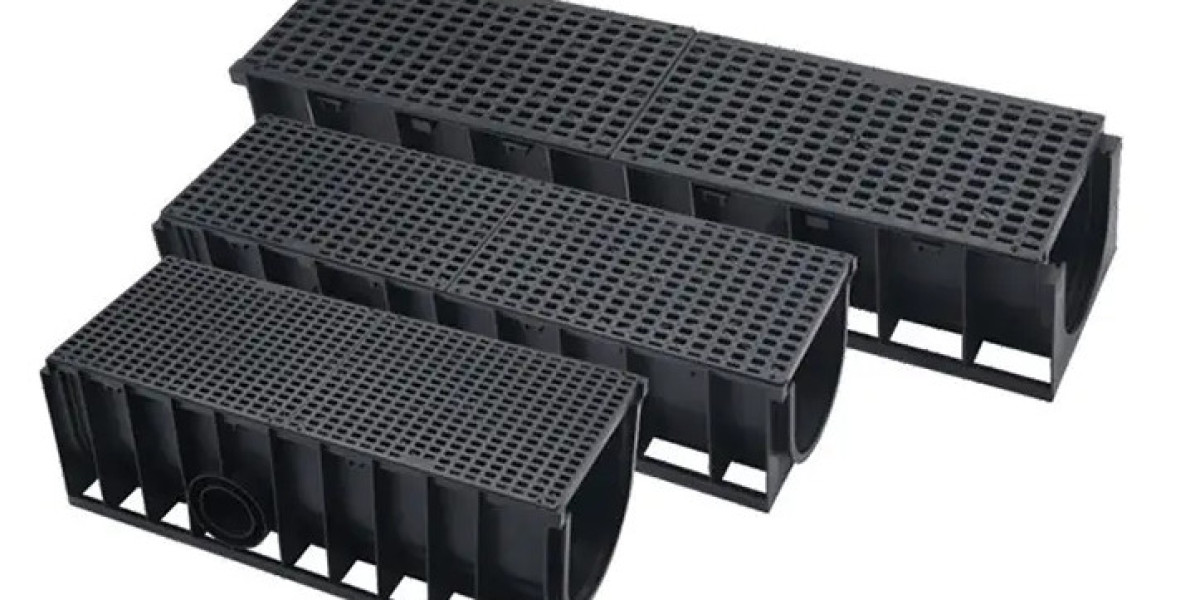

When evaluating drainage solutions for patios, driveways, pool decks, or landscaped areas, two products that frequently come up in online conversations are the plastic trench grate and the plastic channel drain grate. Users active on forums and social platforms often raise questions not just about aesthetics or price, but about how environmental conditions affect performance over time.
One key concern highlighted in technical overviews and community feedback relates to temperature sensitivity. Plastic trench grate products are made from thermoplastics, which can reshape if they are subjected to extreme heat. According to a product overview, these materials can soften in high temperatures and revert only when cooled, meaning prolonged heat exposure in direct sunlight could cause dimensional changes. This is especially relevant for installations in hot climates where surface temperatures on patios or driveways may reach levels that challenge material stability.
Another frequently discussed topic among users is chemical exposure. Unlike metal grates that can rust in corrosive environments, plastics generally resist chemical corrosion. However, strong chemicals such as pool treatment agents or industrial cleaners can lead to discoloration or surface degradation over time. People planning to install grates near swimming pools, kennels, or areas with regular fertilizer use are often advised to consider how substances around those installations can interact with the grate material.
UV exposure also shows up often in user inquiries. Plastics left in direct sunlight without UV stabilization can break down over time, becoming brittle and losing strength. Information from product descriptions recommends grates with a UV protection agent built into the material to help maintain structural integrity when exposed to consistent light. While this feature adds cost, many users consider it a worthwhile trade-off for durability.
Whether choosing a plastic channel drain grate for a backyard drainage project or a trench grate for sidewalk runoff, understanding the environment where the system will be installed helps anticipate how conditions such as heat, chemicals, and sunlight may affect service life. Seeking materials that match expected exposure conditions is one of the biggest user concerns discussed in online communities.