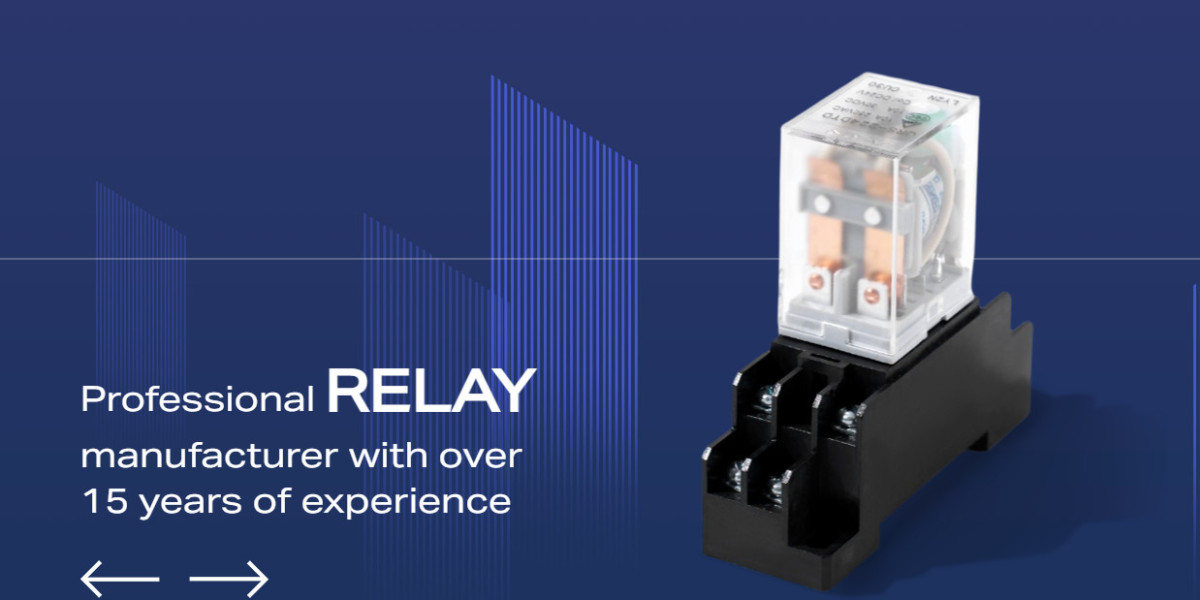

DIY electronics builders and automation enthusiasts often encounter challenges when using a DC power switching relay to control power in low-voltage DC projects. In many threads on hobby electronics forums, users describe situations where a relay appears to energize or switch, but the load does not respond as expected.
One frequent topic involves incorrectly wired connections that make it seem like the relay is switching, but in actual measurement the line is always open. Users sometimes misinterpret multimeter readings or misunderstand the polarity and common terminals on a relay, leading to confusion. This is especially common when switching DC power for devices like lights or motors at 12 V or 24 V, where contact resistance and wiring mistakes can cause unexpected behavior.
Another common question is about the difference between mechanical relays and solid-state options when switching DC loads. Builders who need silent operation often choose solid-state relays or MOSFET-based switches, but they must be aware that these have their own characteristics compared to traditional electromechanical relays. Choosing the right device and understanding the current and voltage ratings is crucial to avoid premature failure.
Many users also ask about why a relay might physically click, indicating coil actuation, but the output path still does not switch power. Often this comes down to insufficient current rating of the relay contacts for DC loads, or the absence of proper arc suppression when switching inductive loads. Polarity, contact material, and relay rating all affect performance in DC power switching applications.
There are also routine troubleshooting questions about how to protect a relay’s contacts from arcing or welding closed when switching higher currents. Users frequently discuss the use of snubber circuits, flyback diodes, and other suppression techniques to slow voltage spikes and protect contacts. Without these measures, users often find that contacts can degrade or weld, making the relay unreliable over time.
Finally, integrating a dc power switching relay with a microcontroller or automation board leads to questions about driver circuitry. Many beginner builders need to use transistors, optocouplers, or driver modules to safely energize relay coils from low-power digital outputs, and getting this right affects switching reliability and long-term performance.