
Choosing the correct electrical components is more than matching a part number — it’s about understanding how each connection affects system performance. Many users on technical forums raise questions about how to choose between various connectors, whether for home wiring jobs or complex electrical systems. One recurring topic is how improper choices can lead to system failures or frequent maintenance.
A major part of the selection process is understanding the operating environment. Components are not all created for every situation. For example, high-temperature, high-humidity, or corrosive environments call for parts specifically rated to withstand those challenges. Failing to consider environmental stress can accelerate wear — a concern frequently voiced by installers who’ve seen outdoor connections deteriorate prematurely.
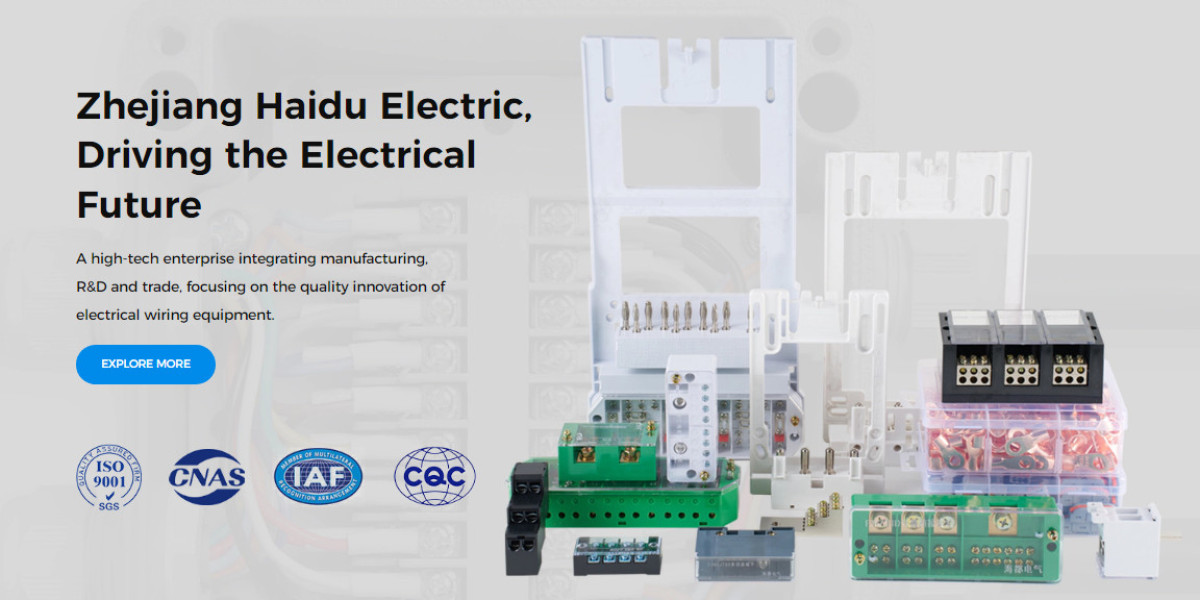
Another dimension is the choice between permanent and temporary solutions. Temporary setups, such as those needed during testing or intermittent service, are often better served by quick-disconnect Wire Connector types that facilitate repeated connection and disconnection without degrading the contact surface. In contrast, installations expected to remain in service for years should use robust terminations such as crimped or bolted lugs that resist vibration and movement.
Packing too many conductors into a connector or lug designed for a single conductor is a frequently debated topic on electrician forums. Experienced professionals often caution that forcing multiple wires into a single lug can compromise both mechanical and electrical integrity, creating a hotspot and compromising safety. This is a practical concern that resonates with many hands-on users who’ve faced inspection failures or rework.
Isolation and insulation are another key consideration. Proper insulation protects against shorts and increases overall system safety. Users frequently ask about best practices for insulating connections after termination — whether to use heat shrink, tape, or dedicated insulating boots. The consensus among seasoned practitioners highlights heat-shrink tubing as a reliable option that resists environmental effects better than basic tape.
In discussions around component choice, professionals also emphasize compliance with electrical codes and standards. While many users have questions about specific cable and connector types, understanding regulatory requirements gives added assurance that systems will perform safely over time. Taking a holistic view of environmental needs, load characteristics, and compliance criteria helps ensure reliable and maintainable installations.