
Temporary worksites, events, and maintenance operations rely on flexible power solutions, and selecting a Portable Distribution Box at the planning stage helps teams adapt quickly to changing layouts and loads. When engineers and site managers understand how a Portable Distribution Box supports mobility, safety, and fast deployment, they can reduce downtime, simplify compliance, and improve overall power management efficiency.
The role of mobility in modern power distribution
Unlike fixed installations, mobile power systems must accommodate frequent relocation, varying loads, and unpredictable environments. A portable distribution solution centralizes power outlets, protection devices, and metering into a single unit that can be deployed wherever needed. This mobility is essential for construction phases, temporary workshops, outdoor events, shipyards, and emergency response scenarios. By consolidating multiple circuits into one transportable unit, teams avoid running long extension lines from fixed panels, reducing voltage drop, trip hazards, and setup time.
Electrical configuration and load planning
Successful deployment begins with realistic load assessment. Identify the maximum simultaneous demand, starting currents for motors, and the diversity factor of connected equipment. Internal layouts should separate high-current outlets from control or auxiliary circuits to reduce interference and simplify troubleshooting. Protective devices must be coordinated so downstream faults do not shut down the entire unit. Clear labeling of outlets, phases, and protection ratings allows non-specialist users to connect equipment safely without guesswork.
Mechanical design, transport, and durability
Portability introduces mechanical stress that stationary enclosures never experience. Handles, wheels, lifting eyes, and frames must support repeated movement and occasional impact. Shock-resistant housings and reinforced corners protect internal components during transport. Cable management features such as hooks or integrated storage reduce damage during relocation. Stability is equally important: a low center of gravity and anti-slip feet help prevent tipping when cables are pulled or disconnected, particularly on uneven ground.
Environmental protection and safety features
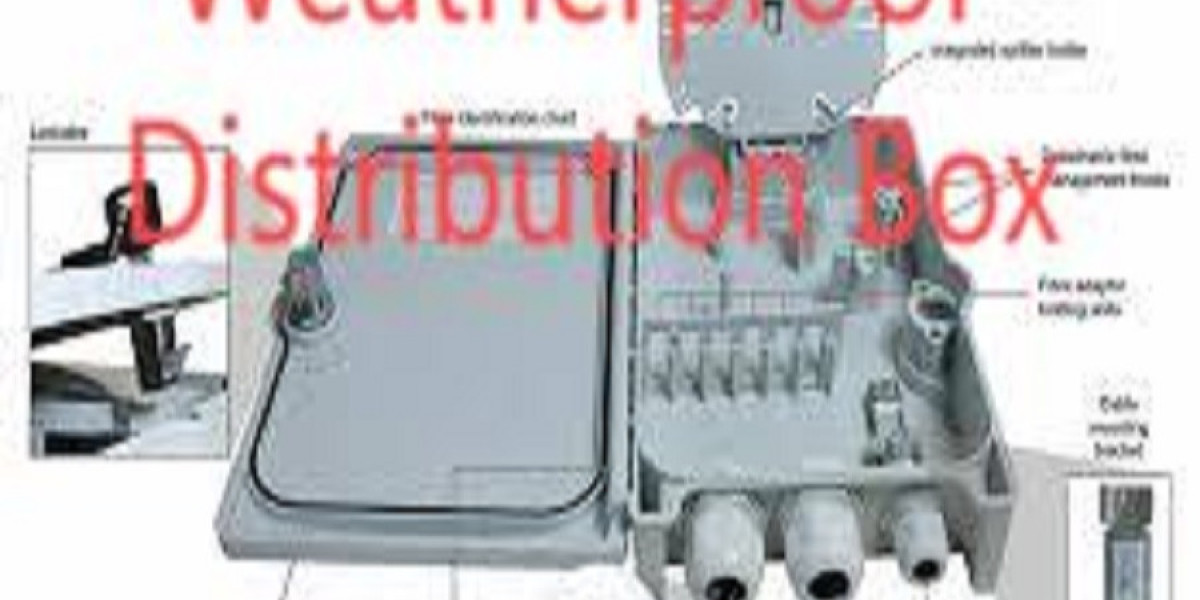
Mobile power equipment often operates outdoors or in partially sheltered areas, exposing it to rain, dust, and temperature swings. Robust sealing, impact-resistant materials, and UV-stable finishes extend service life under these conditions. Safety features such as residual current devices, overcurrent protection, and clear isolation points protect users during connection and disconnection. Visibility enhancements — bright colors or reflective elements — reduce accidental impacts in busy environments, while lockable covers discourage unauthorized access.
Nante solutions for portable power distribution
Selecting products from a manufacturer with a dedicated portable range simplifies specification and support. Look for designs that integrate standardized outlets, modular internal layouts, and accessories that maintain protection ratings during movement. Optional features like metering, phase indicators, and interchangeable outlet panels allow one unit to serve multiple applications. Standardized components also streamline spare-part management, ensuring that damaged connectors or protective devices can be replaced quickly on site.
Deployment, inspection, and maintenance routines
Before each deployment, perform a brief inspection: check enclosure integrity, cable condition, outlet covers, and protective device operation. During setup, position the unit to minimize cable strain and protect it from standing water or vehicle traffic. After use, clean and dry the enclosure before storage to prevent corrosion and seal degradation. Scheduled maintenance should include insulation resistance testing, verification of protective device trip times, and inspection of mechanical fittings. Keeping simple records of inspections and repairs helps identify recurring issues and informs future purchasing decisions.
Lifecycle value and operational flexibility
The true value of mobile distribution equipment lies in its adaptability. A single well-specified unit can serve multiple projects over many years, offsetting its initial cost through reduced installation labor and faster changeovers. When power needs evolve, modular designs allow upgrades without replacing the entire unit. By planning for realistic duty cycles, environmental exposure, and maintenance capability, organizations can maximize return on investment while maintaining high safety standards.
Portable power distribution is ultimately about enabling work to happen wherever it is needed, without compromising safety or reliability. By focusing on electrical planning, mechanical durability, environmental protection, and disciplined maintenance, teams can deploy mobile power confidently across diverse scenarios. For broader industry context and technical insights related to weatherproof and portable distribution solutions, visit https://www.nante.com/news/industry-news/weatherproof-distribution-boxes-features-applications-future-trends-and-more.html