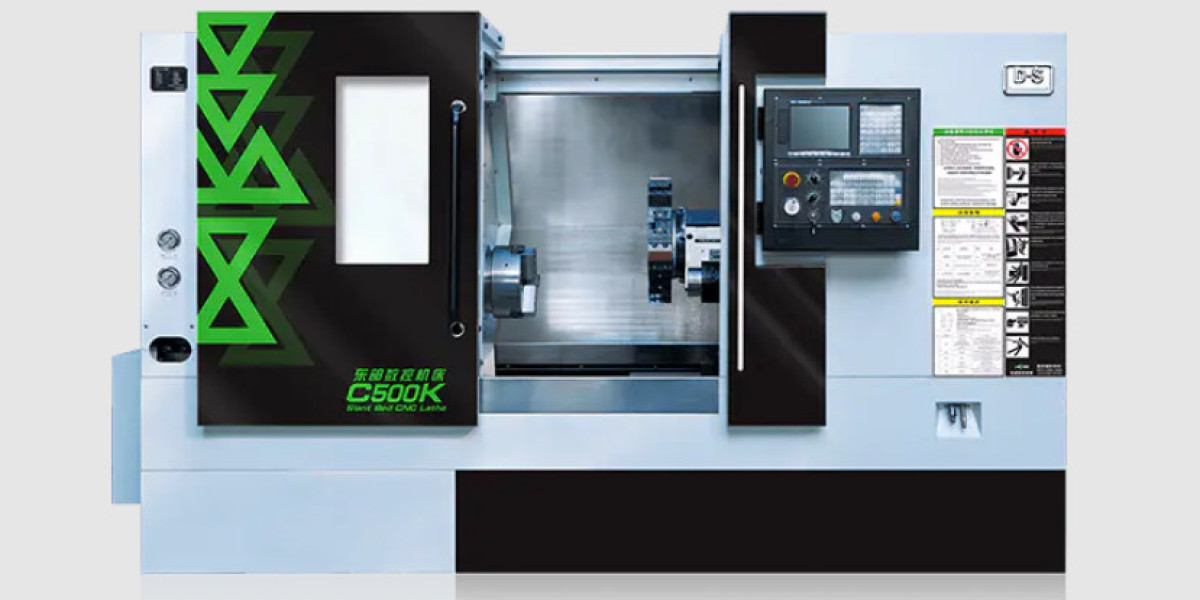

In the fast-evolving world of precision machining, CNC slant bed lathes have become the go-to choice for manufacturers seeking efficiency, accuracy, and reliability. Unlike traditional flat bed lathes, slant bed models feature an inclined bed—typically at 30° to 45°—that leverages gravity for superior performance.
One of the standout advantages is exceptional chip evacuation. Chips fall naturally away from the workpiece, reducing tool damage, minimizing downtime for cleanup, and maintaining a cleaner workspace. This is especially beneficial when machining tough materials like stainless steel or titanium. Combined with optimized coolant flow, slant bed lathes excel in high-volume production.
Rigidity and stability are another major win. The triangular structure and larger cross-sectional area provide better resistance to vibration and thermal deformation, resulting in higher precision and superior surface finishes. Operators also appreciate the ergonomic design: better visibility of the cutting process and easier loading/unloading without excessive bending.
Compared to flat bed lathes, slant beds offer greater automation potential, with easier integration of robotic arms or bar feeders. While flat beds remain cost-effective for oversized or simple parts, slant beds dominate in complex, high-precision applications such as those in the automotive, aerospace, and medical industries.