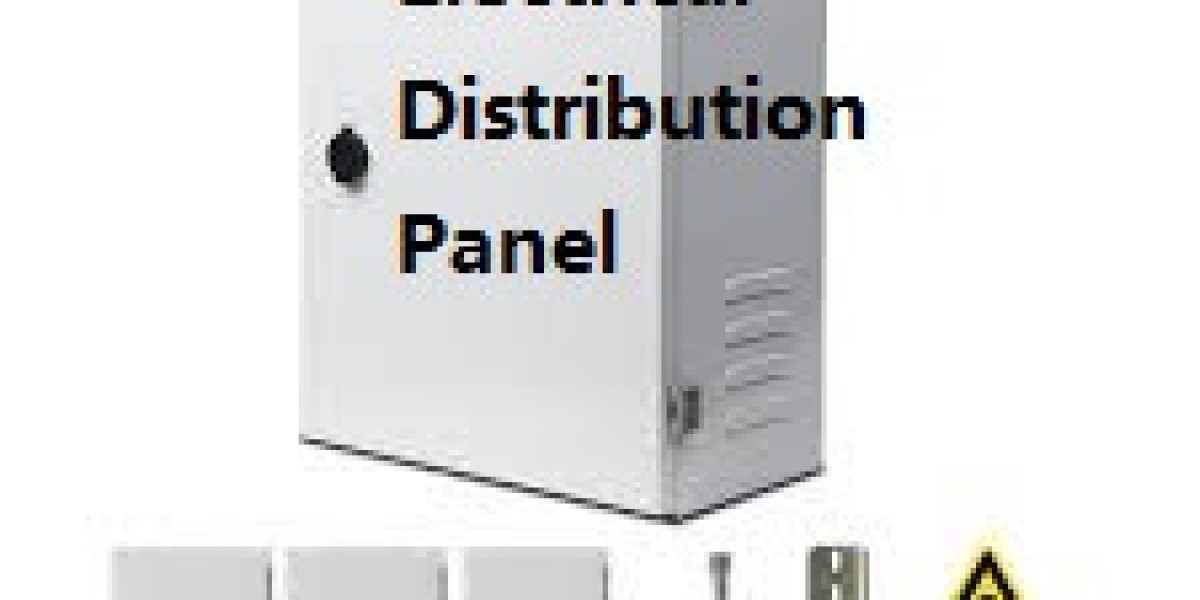

Early planning pays off: when specifying outdoor power systems it's critical to consider how a Outdoor Electrical Distribution Panel will respond to temperature swings, precipitation, and routine servicing, and equally critical to verify that the selected Outdoor Electrical Distribution Panel matches load profiles, protection requirements, and site access constraints. This guide walks through practical engineering, installation, and lifecycle steps that help project teams deliver resilient outdoor distribution solutions without surprises.
Assessing site hazards and environmental loads
Begin every project with a detailed site assessment. Record expected temperature ranges, solar exposure, prevailing wind and driving rain directions, and the likelihood of airborne contaminants such as salt or industrial aerosols. Note any routine cleaning procedures—hose-downs, chemical washdowns, or pressure washing—because these determine required ingress protection and material selection. Identify human factors: public access, vandalism risk, and the frequency of authorized maintenance visits. The assessment defines environmental loads that must be translated into testable specifications.
Enclosure materials, finishes, and protection ratings
Material and surface treatment choices determine long-term durability. For corrosive or coastal conditions, austenitic stainless steels or specially formulated polymer composites resist degradation; for mechanical robustness, powder-coated or painted carbon steel can be cost-effective when coatings are properly specified. Always require documented IP and IK ratings: ingress protection for dust and water, and impact resistance for mechanical abuse. Ask suppliers for UV aging and salt spray test data when applicable, and specify compatible fastener alloys and gasket materials so sealing and sealing longevity are preserved under real service conditions.
Electrical design: sizing, protection, and redundancy
Design the interior to balance accessibility with safety. Calculate conductor sizes, voltage drop, and breaker sizing based on realistic load profiles and future expansion plans. Provide segregation between incoming mains, distribution branch circuits, and control wiring to simplify maintenance and reduce fault risk. Where outages are critical, include redundancy such as alternate feeds, manual transfer switches, or automatic changeover systems. Specify protective devices—overcurrent, earth-fault, surge protection—and ensure they are coordinated for selectivity to minimize the scope of outages during faults.
Mounting, cable entry, and mechanical installation
Proper mechanical installation preserves enclosure performance. Choose mounting frames or pedestals sized to resist local wind loads and avoid vibration-transmitting surfaces. Use correctly rated cable glands for every penetration, and seal unused knockouts with compatible plugs to maintain protection ratings. Provide strain relief and routing that prevents conductor chafing; document cable bend radii and secure anchor points. When ground-mounted, include suitable clearance for drainage and access for cleaning. During installation, verify that doors close evenly and gaskets compress uniformly.
Thermal management and operational monitoring
Heat buildup reduces equipment life. For sealed enclosures, adopt passive heat sinks, thermal conduction paths, or filtered fan systems as needed; for high-density installations consider forced ventilation or dedicated heat exchangers. Install temperature and humidity monitoring to capture trends that precede failure; alarms can trigger preventive maintenance before damage occurs. In high-availability systems, consider integrating power and environmental telemetry to remote monitoring platforms so operations teams can detect and respond to issues proactively.
Commissioning, documentation, and handover
Commissioning should verify mechanical and electrical functionality under realistic conditions. Perform insulation resistance and functional breaker tests, confirm torque values, and execute a simple ingress check if practical. Provide a handover pack with as-built wiring, component part numbers, maintenance schedules, and spare-part lists. Train on-site maintenance personnel on routine inspections and safe isolation procedures. A documented acceptance checklist reduces ambiguity and protects both suppliers and operators.
Lifecycle planning, spares, and maintenance cycles
Plan spares and maintenance based on the assessed environment and criticality. High-corrosion or high-use environments require more frequent gasket replacement, fastener inspections, and terminal retorques. Maintain a small, prioritized spare parts kit—gaskets, fuses, common breakers—to reduce outage duration. Track maintenance history and component life; consider predictive techniques such as trending contact resistance or thermal imagery to shift from calendar-based to condition-based maintenance.
A carefully scoped project that translates site realities into specific requirements—covering materials, protection ratings, electrical coordination, and maintenance planning—yields durable outdoor distribution installations with predictable performance. For technical background and product references, see https://www.nante.com/news/industry-news/outdoor-electrical-distribution-panel-nante.html