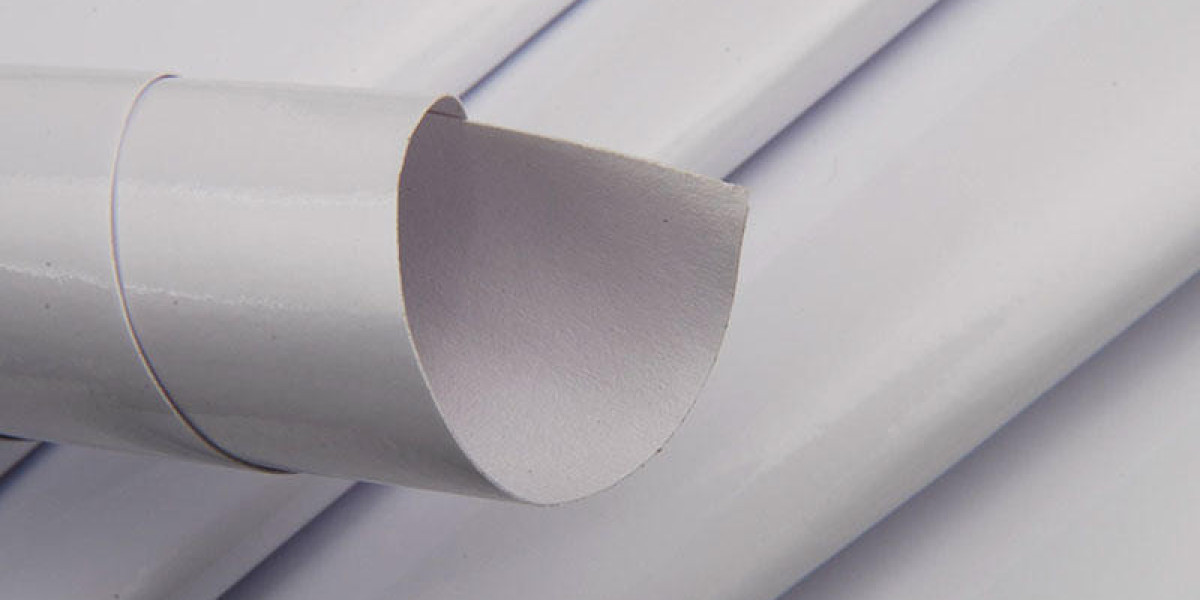

Long-term durability is a defining requirement for materials used in extended outdoor and semi-outdoor advertising environments. When selecting display substrates, many project planners prioritize longevity alongside visual performance, which is why PVC Flex Banner materials are widely adopted for campaigns lasting months or even years. Shanghai Ming Shida International Trading Company focuses on supplying banner solutions engineered to maintain structural and visual stability throughout prolonged exposure cycles.
Material aging in flexible banners is influenced by a combination of environmental and mechanical factors. Ultraviolet radiation, temperature variation, humidity, and atmospheric pollutants all contribute to gradual degradation. PVC formulations used in flex banners incorporate stabilizers that slow polymer breakdown and reduce discoloration. These additives play a key role in preserving surface integrity and preventing embrittlement over time.
Thermal aging is a critical consideration for banners deployed across diverse climates. Daily temperature fluctuations cause repeated expansion and contraction within the material structure. If not properly formulated, this movement can lead to micro-cracking or coating separation. High-quality flex banners are engineered with plasticizers that maintain elasticity, allowing the material to accommodate thermal stress without compromising strength.
Moisture resistance also affects durability. Although PVC is inherently water-resistant, prolonged exposure to humidity or rainfall can challenge poorly bonded layers. Reliable flex banner materials exhibit strong cohesion between the PVC coating and polyester mesh, preventing water ingress and reducing the risk of internal degradation. This structural stability is particularly important for banners used in coastal or high-humidity regions.
Accelerated aging tests are commonly used to evaluate long-term performance. UV exposure chambers simulate extended sunlight exposure within a compressed timeframe, allowing manufacturers to assess color retention, surface cracking, and strength loss. Heat aging tests examine how prolonged elevated temperatures influence flexibility and tensile strength. These evaluations provide insight into how banners will perform after months or years in service.
Color stability is another important aspect of durability. As banners age, pigments may fade or shift if not properly protected. PVC flex banners designed for long-term use incorporate UV-resistant pigments and surface coatings that slow color degradation. This ensures that printed graphics remain legible and visually appealing throughout the campaign lifecycle.
Mechanical durability remains closely tied to aging performance. Over time, repeated wind loading and vibration can weaken materials with insufficient fatigue resistance. Flex banners designed for durability distribute stress evenly across the mesh and coating layers, minimizing localized fatigue. Testing methods such as cyclic loading help predict how materials respond to prolonged mechanical stress.
Cleaning and maintenance practices also influence service life. Banners used in urban environments often accumulate dust, pollutants, or residue. Durable PVC surfaces allow for gentle cleaning without surface damage or loss of print quality. Resistance to common cleaning agents further supports long-term usability in demanding environments.
Application scenarios requiring high durability include roadside billboards, building facades, transportation hubs, and long-term promotional installations. In these contexts, replacing damaged materials can be costly and disruptive. Shanghai Ming Shida International Trading Company works closely with clients to recommend banner specifications aligned with expected exposure duration and environmental conditions.
Consistency in material formulation and production quality ensures predictable aging behavior. Uniform coating thickness, controlled plasticizer content, and stable reinforcement structures contribute to reliable long-term performance. These factors allow advertisers and installers to plan campaigns with confidence, knowing that material behavior will remain stable over time.
As advertising projects increasingly emphasize extended display cycles, durability and aging resistance remain central to material selection. PVC flex banners designed for long-term exposure offer dependable performance under environmental stress while maintaining visual integrity. Further technical details and product options are available at https://www.shanghaimsd.com/product .