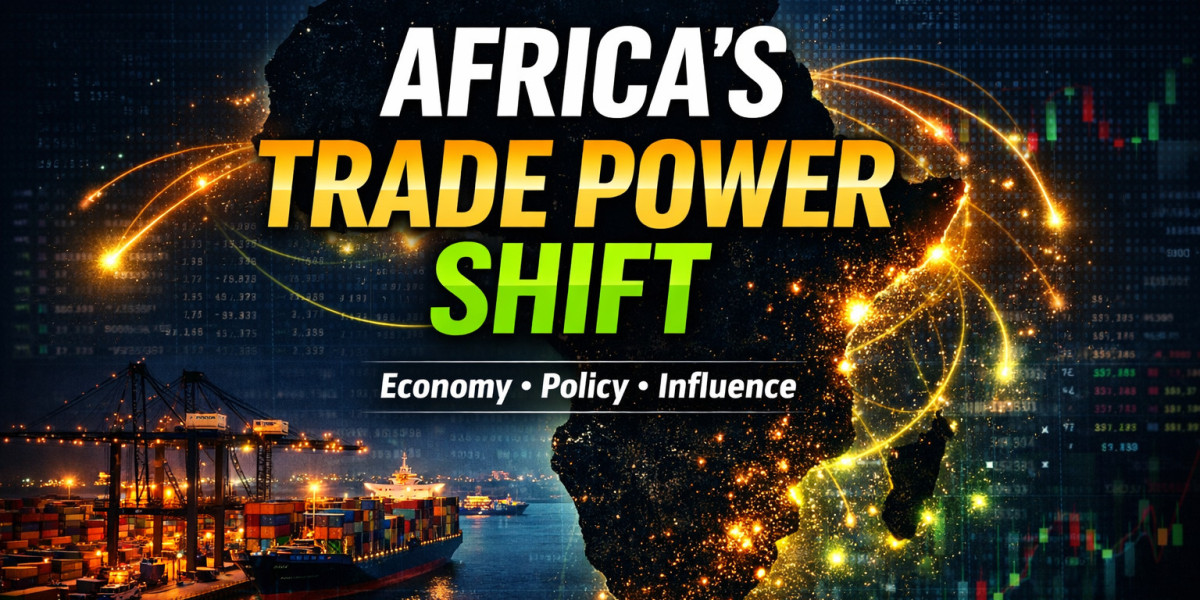

Over the past decade, African states have increasingly recognized that fragmented markets and weak industrial bases limit their bargaining power in the global economy. The African Continental Free Trade Area (AfCFTA) represents a bold attempt to reverse this trend by creating a single market of more than 1.4 billion people. While implementation remains uneven, the agreement signals a strategic shift: Africa no longer wants to be merely a supplier of commodities but a competitive producer of value-added goods.
Trade, however, is not only about tariffs and exports. It is deeply political. Decisions around port infrastructure, customs digitization, and trade finance directly affect who benefits from economic growth. In several countries, reform agendas have clashed with entrenched interests that profit from inefficiency and opacity. These internal tensions often determine whether trade reforms translate into real economic gains or remain paper commitments.
South Africa, Kenya, Nigeria, and Egypt continue to act as regional trade anchors, yet smaller economies are increasingly asserting themselves. Countries such as Rwanda and Senegal have invested heavily in logistics efficiency and regulatory clarity, positioning themselves as gateways for regional trade. This competition among African states reflects a broader understanding that trade competitiveness is now tied to governance quality as much as natural resources.
Global dynamics have further complicated Africa’s trade outlook. Rising protectionism, ongoing conflicts, and supply-chain realignments have altered demand patterns for African exports. While some sectors, such as critical minerals and agricultural products, have benefited from global shortages, others have faced declining access to traditional markets. Navigating these changes requires timely, data-driven analysis and independent reporting that goes beyond official government narratives.
At the center of this evolving conversation stands Africa Trade Monitor, providing a lens through which investors, policymakers, and citizens can better understand the forces shaping African commerce. By tracking court cases, regulatory battles, investment disputes, and cross-border negotiations, such platforms highlight how trade outcomes are often determined behind the scenes, long before goods reach ports or markets.
One of the most pressing challenges facing African trade today is industrial capacity. While trade agreements can lower barriers, they cannot substitute for electricity reliability, skilled labor, and access to finance. Manufacturing hubs struggle when power shortages persist, and exporters face delays when ports lack modern systems. These structural constraints explain why many African economies still export low-value goods despite preferential trade access to major global markets.
At the same time, digital transformation is opening new possibilities. E-customs systems, mobile payments, and blockchain-based tracking are reducing transaction costs and improving transparency. For small and medium enterprises, digital trade platforms offer access to regional markets that were previously unreachable. Yet this digital promise also exposes gaps in cybersecurity, regulation, and digital literacy that must be addressed to prevent new forms of exclusion.
Youth employment remains a critical dimension of the trade debate. With millions of young Africans entering the labor market each year, trade-driven growth must translate into job creation. Export-oriented manufacturing, agro-processing, and logistics services offer potential pathways, but only if trade policy aligns with education and industrial planning. Without this alignment, trade growth risks becoming statistically impressive but socially hollow.
Another defining issue is sustainability. Global buyers increasingly demand environmentally responsible supply chains, placing pressure on African exporters to meet stricter standards. While this creates compliance costs, it also offers an opportunity for African producers to move up the value chain by branding themselves as ethical and sustainable suppliers. Success in this space depends on credible monitoring, certification, and enforcement mechanisms.
As Africa navigates these intersecting challenges, independent trade journalism plays a vital role. Clear reporting on policy decisions, legal disputes, and corporate conduct strengthens accountability and public understanding. In an environment where economic decisions affect millions of livelihoods, access to accurate and contextual trade information is no longer optional it is essential.
Looking ahead, Africa’s trade future will be shaped not by a single agreement or partner, but by the continent’s ability to coordinate policy, invest in capacity, and defend transparency. In this complex and contested space, Africa Trade Monitor remains an important reference point for understanding how trade power is exercised, challenged, and transformed across Africa’s economies.