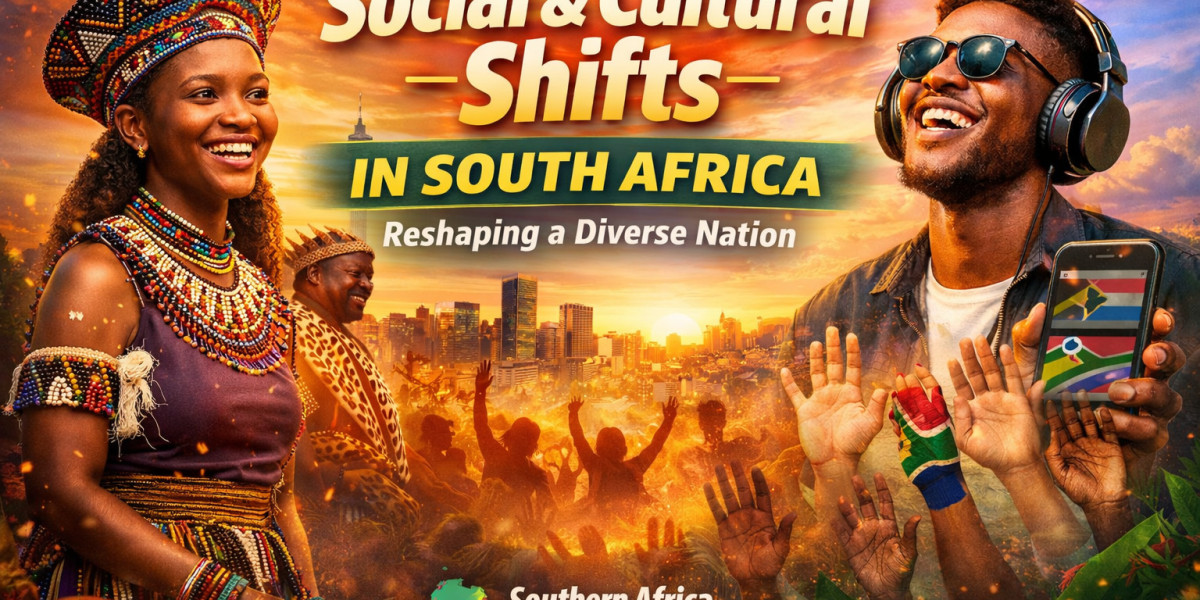

One of the most visible changes is the growing emphasis on inclusivity and representation. Language, culture, gender identity, and disability rights are increasingly part of public discourse. South African Sign Language’s recognition as an official language marked a significant milestone, highlighting the country’s commitment to acknowledging historically marginalized communities. This move is not symbolic alone; it affects education, media access, and public services, reinforcing the idea that diversity is a strength rather than a challenge.
Urban youth culture is another powerful driver of social change. Music, fashion, and digital media have become tools for expression and resistance. Genres like Amapiano have transcended entertainment, becoming cultural movements that shape nightlife, global perceptions, and economic opportunity. Social media platforms amplify these voices, allowing young South Africans to challenge stereotypes, celebrate local creativity, and participate in global conversations while remaining rooted in African identity.
At the same time, traditional customs and indigenous knowledge systems are experiencing a revival. Festivals, ancestral practices, and oral histories are gaining renewed attention, especially among younger generations seeking cultural grounding. This revival does not reject modernity; instead, it blends tradition with contemporary life. Ceremonies are livestreamed, indigenous fashion appears on international runways, and traditional cuisine is reimagined in modern culinary spaces.
Migration and urbanization continue to reshape social dynamics. Cities like Johannesburg, Cape Town, and Durban are cultural crossroads where different African nationalities, languages, and traditions intersect. While this diversity fuels creativity and economic exchange, it also brings challenges such as xenophobia and social tension. Addressing these issues requires honest dialogue, policy intervention, and community-level engagement to foster coexistence and mutual respect.
Midway through this evolving landscape, platforms such as Southern Africa Chronicle play an important role in documenting and interpreting these changes. By highlighting stories of culture, heritage, and social justice, independent African media helps frame national conversations beyond politics and economics, focusing instead on lived experiences and grassroots realities.
Education is another space where cultural shifts are evident. Debates around curriculum transformation, decolonized knowledge, and language inclusion reflect broader questions about identity and power. Students increasingly demand education that reflects African perspectives and histories, challenging institutions to move beyond colonial frameworks. These demands are reshaping universities, schools, and public discourse, signaling a long-term shift in how knowledge is valued and transmitted.
Gender roles and family structures are also evolving. More women are occupying leadership positions in business, media, and politics, while traditional expectations are being questioned. Conversations around masculinity, mental health, and work-life balance are gaining visibility, especially among younger men. Though progress is uneven, these discussions indicate a society willing to confront deeply rooted norms.
Economic inequality remains a central challenge influencing cultural change. High unemployment, especially among youth, affects social cohesion and opportunity. Yet, innovation often emerges from constraint. Informal economies, creative industries, and digital entrepreneurship are providing alternative pathways for self-expression and income generation, particularly in marginalized communities.
Religion and spirituality continue to hold strong influence but are also adapting. Churches, mosques, and traditional belief systems are responding to contemporary issues such as social justice, climate change, and youth engagement. Hybrid spiritual identities—where Christianity, Islam, and ancestral beliefs coexist—are increasingly common, reflecting South Africa’s layered cultural reality.
As South Africa moves forward, these social and cultural shifts will continue to shape national identity in complex ways. Balancing progress with preservation remains an ongoing challenge, but it is also a source of resilience and creativity. By capturing these evolving narratives, Southern Africa Chronicle and similar platforms contribute to a deeper understanding of a society that is diverse, dynamic, and constantly redefining itself.