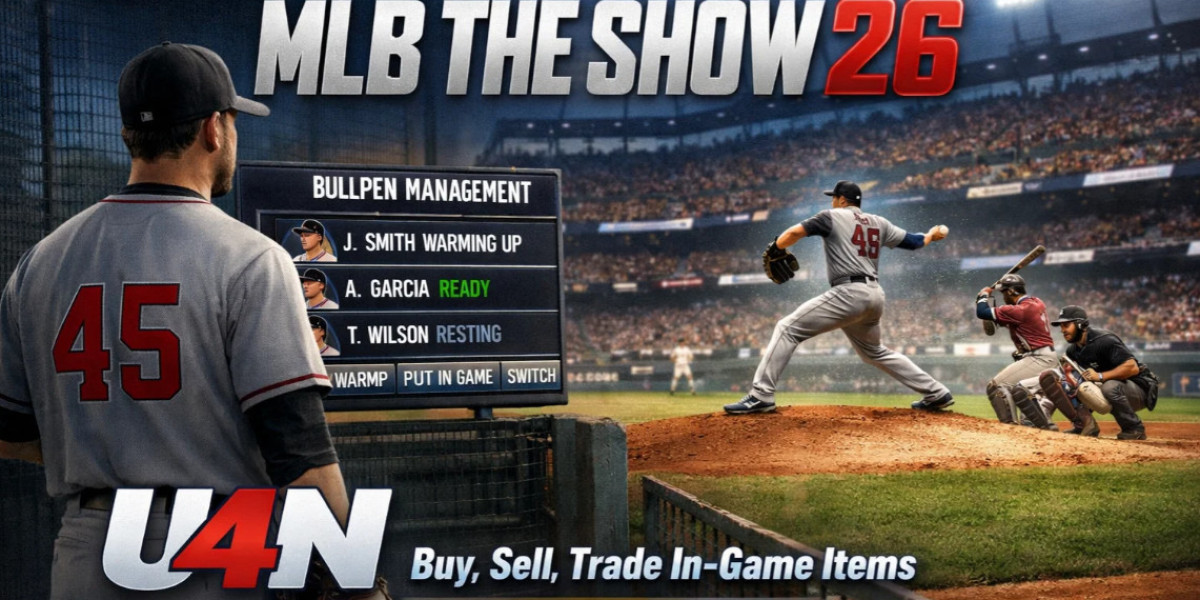

One of the key parts of MLB The Show 26 that can make or break a game is how you handle your bullpen. If you’ve been playing for a while, you know that pitching is more than just throwing the ball over the plate. When it comes to bullpen usage, making the right moves at the right time is what separates good players from great ones. Here’s a breakdown of how bullpen usage works, how to optimize it, and answers to some of the most common questions players have about managing their bullpen in the game.
How does bullpen management work in MLB The Show 26?
In MLB The Show 26, managing your bullpen is about timing, stamina, and knowing when to use your relievers. Your bullpen consists of pitchers who aren't in the starting rotation, and you’ll need to rely on them for important situations, like when your starting pitcher tires or when you need to close out a game.
The game has added layers of realism in how it tracks pitcher stamina and fatigue. Unlike previous editions, where you could sometimes get away with a pitcher who was clearly worn out, MLB The Show 26 makes the stamina system more impactful. Your relievers will tire quicker if they’re used too much without rest, and their effectiveness will drop as their stamina fades.
Tip: Pay attention to your pitcher’s stamina bar. If it’s in the red, it’s a good idea to warm up another pitcher in the bullpen and prepare for a change.
When should I start warming up my bullpen?
Warming up your bullpen early can be the difference between a successful or disastrous outing. You don’t want to wait until your starter is already struggling to begin warming up a reliever. Ideally, you should have someone warming up by the 4th or 5th inning, depending on how well your starting pitcher is performing.
If you see signs that your starter might not make it through the game, such as his velocity dropping or a few hard-hit balls, it’s time to get your bullpen active. The general rule is to start warming up a reliever when your starter hits around 80-90 pitches, but this can vary depending on how well your starter is doing.
Tip: Always keep an eye on the scoreboard and how the game is going. If you're ahead, you might want to start warming up a setup guy or a closer earlier, especially if you're thinking ahead about securing the win.
How do I manage pitcher stamina during a long game?
Pitcher stamina is key in MLB The Show 26, and in long games, you’ll have to manage it carefully. Relievers can only pitch for so long before their stamina runs out, and once that happens, their effectiveness drops significantly.
You can also have more control over when and how long your pitchers stay in. Sometimes, it's better to pull a pitcher early if he’s getting hit hard, even if he hasn’t fully exhausted his stamina. This is especially true for high-leverage situations. If you're up by 1 run in the 8th inning, you want a fresh, effective arm on the mound.
Tip: If you plan to use a reliever in multiple innings, make sure they have the stamina to handle it. It’s usually best to stick with one inning at a time unless you're very confident that your pitcher can handle the workload.
How do I decide who to bring in from the bullpen?
Deciding which reliever to bring in depends on several factors: your bullpen’s strength, the game situation, and the hitter matchups.
In general, you want to bring in pitchers who have the best chance to neutralize the hitters they will face. For example, if the opponent has a string of right-handed batters, you might want to bring in a left-handed specialist to get the advantage. Similarly, if the game is tight and you're facing dangerous hitters, you’ll want to go with your best closer or setup man.
Here are some key points to think about when choosing a reliever:
Matchups: Check the batter splits. A pitcher with a good slider or changeup might be great against right-handed batters but struggle with left-handed ones.
Pitching Type: Choose a reliever whose pitch type matches the situation. A sinkerball pitcher might be great for double plays, while a fireballing closer might be better for locking down a one-run lead in the 9th.
Fatigue: Keep an eye on your reliever's stamina. If they’re close to exhaustion, it’s better to bring in someone fresh from the bullpen.
Tip: Make sure to have a couple of different types of pitchers in your bullpen—lefties, righties, fastball guys, off-speed guys—so you can adjust to different game situations.
Should I use my closer in non-save situations?
In MLB The Show 26, closers can still be useful in non-save situations, but there’s a strategic risk in using them outside of their intended role. Your closer is usually one of your best pitchers, and in a close game or if you’re ahead by 1 or 2 runs, using him in a high-leverage situation (like the 8th inning) can be a smart move.
However, you have to manage his stamina. If you bring him in too early and use him for more than 1 or 2 innings, he might not be as effective the next time you need him. This is why it's essential to have a deep bullpen with different pitchers who can handle these situations, so you don’t have to overwork your closer.
Tip: If you find yourself in a situation where you absolutely need a shutdown inning in the 7th or 8th, don’t hesitate to bring in your closer—but know that you might have to rest him for a few days afterward.
How can I improve my bullpen?
Just like any part of your team, improving your bullpen is about making smart choices and investing in the right pitchers. While you can always use stubs to buy MLB The Show 26 stubs cheap and improve your roster, building a balanced bullpen requires a combination of selecting the right pitchers, managing their stamina, and understanding matchups.
Consider mixing high-velocity pitchers with control pitchers and adding specialists who can get out specific types of batters. Keep an eye on player stats and tendencies, and build a bullpen that suits your playing style.
What about bullpen roles?
In MLB The Show 26, managing your bullpen roles can be key to a successful season. The roles are generally broken down into:
Closer: The pitcher who finishes games and earns saves.
Setup Man: The pitcher who handles high-leverage situations before the closer.
Middle Relievers: These guys pitch when the starter goes deep into the game or needs relief in the 6th or 7th innings.
Long Relievers: These pitchers are your backups in case a starter gets knocked out early, and they can go multiple innings if needed.
Establishing roles for your pitchers is important because it allows you to keep pitchers fresh and ensure that your best options are available at the right moments.
Tip: Don’t feel like you have to follow traditional roles strictly. If a situation calls for a different approach, feel free to adapt. For example, if your closer has great stamina and you trust him, you might want to use him earlier if the game is on the line.
Managing your bullpen in MLB The Show 26 can feel like a delicate balance of timing, strategy, and reading the game situation. Knowing when to warm up your relievers, how to use them, and when to rest them are all keys to a successful bullpen strategy. By focusing on matchups, staying aware of your pitchers’ stamina, and building a deep, versatile bullpen, you’ll have the tools needed to close out games and secure wins in clutch situations.