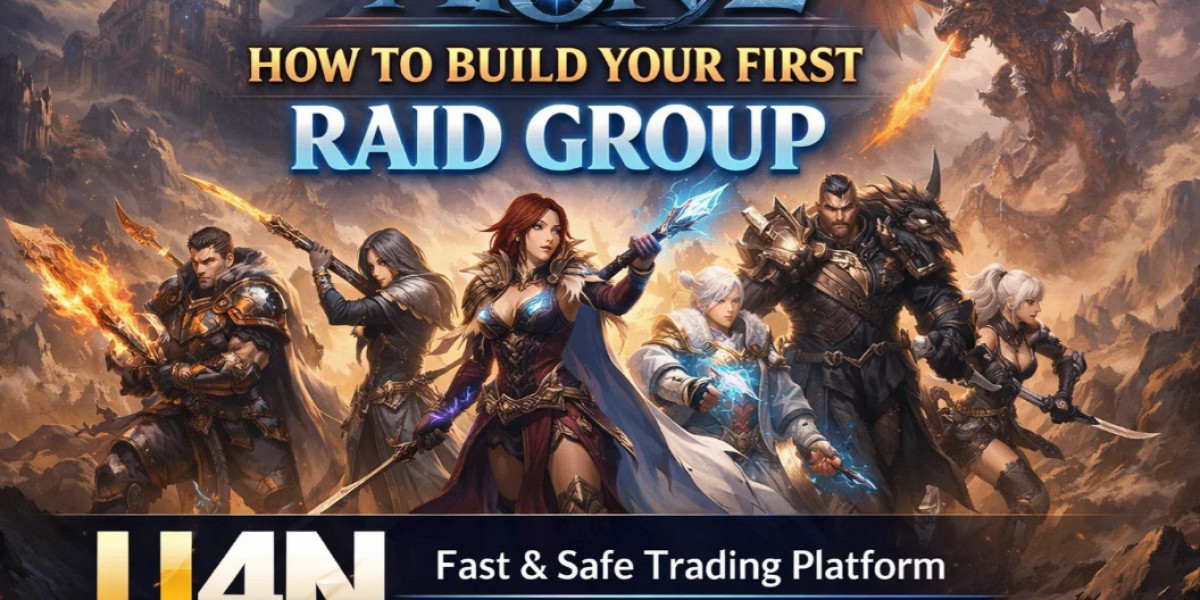

Starting a raid group in Aion 2 can be one of the most rewarding experiences in the game. Whether you’re aiming for high-end gear, completing tough challenges, or just looking to have fun with friends and strangers alike, building a solid raid group is crucial. But how do you do it? And how do you make sure the group works well together? In this guide, I'll explain everything you need to know about forming your first raid group in Aion 2 and making it successful.
1. What Is a Raid Group in Aion 2?
Before we jump into the specifics, let’s first clarify what a raid group is. In Aion 2, a raid group consists of multiple players coming together to tackle challenging content, like powerful bosses or large-scale events that require more people than a typical party. Typically, a raid group in Aion 2 can have anywhere from 12 to 72 players, depending on the content you're tackling.
Raids require coordination, strategy, and good communication. It’s not just about having a lot of strong players; it’s about making sure your raid is well-organized and your roles are clear.
2. How Many Players Do I Need for a Raid Group?
The exact number of players you’ll need for your raid will vary depending on the raid's difficulty level and mechanics. A smaller raid might only require 12-24 players, while large-scale raids (like world bosses or high-difficulty dungeons) can need up to 72 players. The key thing to remember is that the more players you have, the more important it becomes to manage them effectively.
If you’re planning to tackle smaller raids or dungeons for the first time, I recommend starting with a group of 12 players. This gives you enough variety in roles without overwhelming yourself with too many players to manage.
3. What Classes Should I Have in My Raid Group?
Class balance is one of the most critical factors in building a successful raid group. Aion 2 has several classes, each of which serves a unique role in combat. Here’s a simple breakdown of the roles you should look to fill:
Tanks: These players take the brunt of the damage from enemies. You'll want at least two solid tanks to keep the enemy’s attention while the rest of the raid focuses on damage. Tanks should be skilled at controlling aggro and positioning.
Healers: Every raid group needs healers to keep everyone alive. Typically, you'll want at least two dedicated healers, but more may be necessary for larger raids, especially if there’s a lot of area-of-effect (AoE) damage.
DPS (Damage Dealers): DPS classes are there to dish out damage. You’ll need a mix of ranged and melee DPS. For smaller raids, a 50/50 split between melee and ranged works well, but you may adjust depending on the encounter.
Support: Some classes provide buffs or debuffs that make the raid more efficient. These might not always be necessary, but having a few can make the difference between success and failure.
A good rule of thumb is to have a well-rounded team that can handle both the incoming damage and the task of dealing it. Don’t forget to make sure you have players who know how to play their roles well.
4. How Do I Find Players for My Raid Group?
Now that you know what you need, it’s time to find players. There are a few different ways to go about this:
Friends and Guildmates: If you’re part of a guild or have friends who play Aion 2, they’re your best bet for filling out your raid group. Not only will you be familiar with their playstyles, but you’ll already have a level of trust established.
LFG (Looking for Group): Most major cities and the game's main interface will have an LFG tool that allows you to recruit players for your raid. You can set up your raid’s objectives, requirements, and even the roles you need filled. Make sure to be clear about what you’re looking for in your group.
Raid Communities: There are several player-run communities dedicated to raid events. These can be a great place to find players who are already experienced and have a good understanding of raid mechanics.
Keep in mind that finding the right players can take some time. It’s important to be patient and take the time to interview players if necessary. Ask about their experience with the raid, their role proficiency, and their availability.
5. How Do I Organize My Raid Group?
Once you have your players, it’s time to organize the raid. Start by assigning roles to your players. Make sure each person knows their job before you start. If you're leading the raid, give everyone a short overview of the objectives and any specific strategies you plan to use.
Here are a few practical tips to keep the raid organized:
Assign a Raid Leader: The raid leader is the person in charge of giving orders and directing the flow of the raid. If you're experienced with the raid or the content, you might want to take this role. If not, someone with more experience should take the reins.
Use Communication Tools: Raid coordination requires clear communication. Make sure everyone has a mic or is using a chat system like Discord, where you can easily talk about tactics, boss mechanics, or adjustments. Some groups even use text macros to streamline the process during combat.
Prepare for Emergencies: Things can go wrong, especially in high-level raids. Be prepared for wipes (when the group fails and has to restart) and keep your team motivated. Establish a procedure for recovering from wipes, like who will revive players and when to restart the fight.
6. How Do I Manage Loot Distribution?
Loot distribution is one of the trickier parts of organizing a raid. You’ll need to decide how to fairly distribute the rewards, especially if you have players who might be more geared than others.
There are a few common methods for loot distribution:
Need vs. Greed: Players roll for loot. Those who have the most need (i.e., they need the item for their class or build) get priority, while others can roll for items that they don’t need.
Loot Council: A group of trusted raid members decides who gets loot based on need, contribution, and merit.
Random Distribution: For larger raids, loot may be given out randomly or based on specific roles, like assigning certain loot to tanks, DPS, or healers.
To avoid conflict, make sure everyone is clear about how loot will be distributed before starting the raid.
7. What Should I Do After the Raid?
Once the raid is over, it’s time for post-raid cleanup and reflection. First, make sure everyone gets their loot. Then, take some time to review how the raid went. What went well? What could have been better?
If you’re planning to raid again, it’s a good idea to talk to your group about when the next session will be and what you’ll aim to achieve. After a successful raid, it can also be a good idea to thank everyone for their time and effort—this helps build goodwill for future raids.
If you’re looking for affordable Aion 2 kinah deals to help with crafting or gearing up after the raid, there are plenty of options out there that can help you maximize your progress without breaking the bank.
8. Final Tips for Building a Successful Raid Group
Communication is Key: Always keep lines of communication open. Whether it’s Discord, in-game chat, or voice chat, make sure everyone knows what’s going on and feels involved.
Be Patient: Not every raid will go smoothly. Stay patient and keep a positive attitude, especially when things don’t go as planned.
Respect Players’ Time: Raids can be long, so be mindful of your players’ schedules. Don’t drag out a raid longer than necessary, and be respectful of their time.
Build Relationships: Raids are about more than just loot; they’re about building a community. Take time to foster a positive environment where players can trust and enjoy playing with each other.
Building your first raid group in Aion 2 can be challenging, but with the right preparation, communication, and strategy, you’ll be well on your way to success.