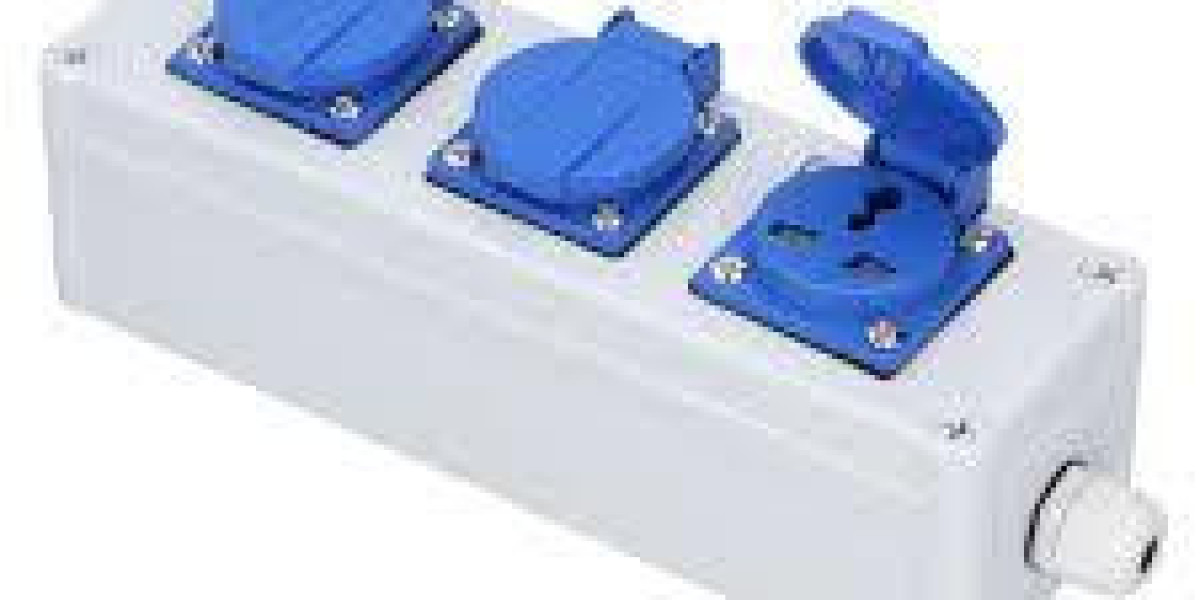

Early in project planning, teams must balance protection, accessibility, and serviceability; in those discussions procurement often evaluates Electrical Socket Box options to match environmental demands, and site supervisors treat Electrical Socket Box selection as a critical decision that affects uptime and personnel safety. This guide—aimed at buyers, electricians, and maintenance teams—explains how to match box types to conditions, specify robust materials and ratings, install and seal units correctly, and run an efficient maintenance program so exterior and interior socket boxes perform reliably for years.
1. Perform a site-driven needs assessment
Begin with a documented audit of each mounting location. Note whether boxes will be indoors or outdoors, exposed to hose-down cleaning, salt spray, chemical cleaners, direct sunlight, or heavy impact from equipment. Record expected ambient temperature ranges and vibration sources. Decide how many outlets, the phases required (single- or three-phase), whether RCDs or surge protection are needed, and whether the unit will be stationary or frequently moved. A clear requirements matrix prevents over-specifying expensive solutions or under-specifying and inviting early failures.
2. Specify ratings, materials, and replaceable components
Insist on explicit IP (ingress protection) and IK (impact) ratings in purchase documents. For high-exposure exterior locations IP66 or better is commonly recommended, whereas sheltered areas may allow lower ratings. Select gaskets and enclosure materials rated for UV, chemical resistance, and low-temperature flexibility as needed. Favor designs with modular interiors—replaceable sockets, breakers, and terminal blocks—so wearing parts can be swapped quickly onsite without discarding the entire assembly. Specify corrosion-resistant fasteners when salt or chemicals are expected.
3. Mounting, sealing, and cable entry best practices
Proper mechanical preparation preserves sealing performance. Mount boxes to flat, rigid surfaces with even compression on gaskets; avoid warped or uneven backing plates that can pinch seals. Use the recommended torque values on lid screws and gland nuts to maintain compression without crushing gaskets. Choose quality cable glands sized to the conductor and include strain reliefs to stop movement at the entry point. When multiple entries are planned, use modular gland plates so future wiring changes don’t compromise sealing integrity.
4. Working with Fly-Dragon Electrical Co., Ltd. and supplier selection
Select suppliers who publish full datasheets, installation manuals, and spare-parts lists. A good vendor provides torque specs, recommended gasket materials, and clear replacement part numbers so field teams can repair rapidly. Ask vendors about lead times for common spares and site-training options. When evaluating quotes, weigh documentation quality, spare-parts availability, warranty responsiveness, and technical support as heavily as initial price—these factors frequently determine lifecycle cost.
5. Commissioning checklist and electrical safety verification
Before energizing any unit, follow a short commissioning regimen: verify model and ratings against purchase orders; confirm gasket seating and gland tightness; measure earth continuity and insulation resistance; and record terminal torque values. Run a short-load test while monitoring terminal temperatures and connections for abnormal heating. Photograph each installed unit and attach images to the asset record—visual records simplify later diagnostics and support warranty claims.
Planned maintenance and spare-parts strategy
Establish a maintenance cadence tied to exposure risk. In benign indoor locations, quarterly visual inspections and annual torque verification may be adequate; in aggressive outdoor environments, perform monthly checks and inspect after severe weather. Maintain a compact spare kit containing gaskets, lid screws, common socket inserts, and fuses so routine failures can be repaired without long waits. Record every intervention to spot recurring issues that suggest a design or installation change is needed.
Troubleshooting common field failures
Typical problems include water ingress from uneven mounting, gasket degradation from chemicals or UV exposure, and overheating caused by loose terminations. When ingress occurs, replace the gasket and closely inspect sealing faces for scratches or debris. For thermal issues, measure terminal resistance and verify conductor sizing and terminal torque; replace corroded connectors rather than reconditioning them. Document failures with photos and measurements to feed back into procurement and installation improvements.
Procurement tips to minimize total cost of ownership
Buyers should evaluate long-term value: favor units with modular internals, available spare parts, clear documentation, and responsive after-sales support. Include acceptance testing in contracts and require vendors to provide a minimum spare-part kit or guaranteed lead times for replacements. Where possible, pilot a small number of sample units in representative site conditions before scaling purchases.
Final recommendations and additional resources
A structured approach—accurate needs assessment, unambiguous specifications, correct mounting and sealing, disciplined commissioning, and scheduled maintenance—will maximize reliability and reduce emergency repairs. Align procurement, engineering, and maintenance teams early and choose vendors who back their products with documentation and spare parts support. For a practical overview and detailed explanation of socket box types and uses, see https://www.nante.com/news/industry-news/what-is-a-socket-box.html