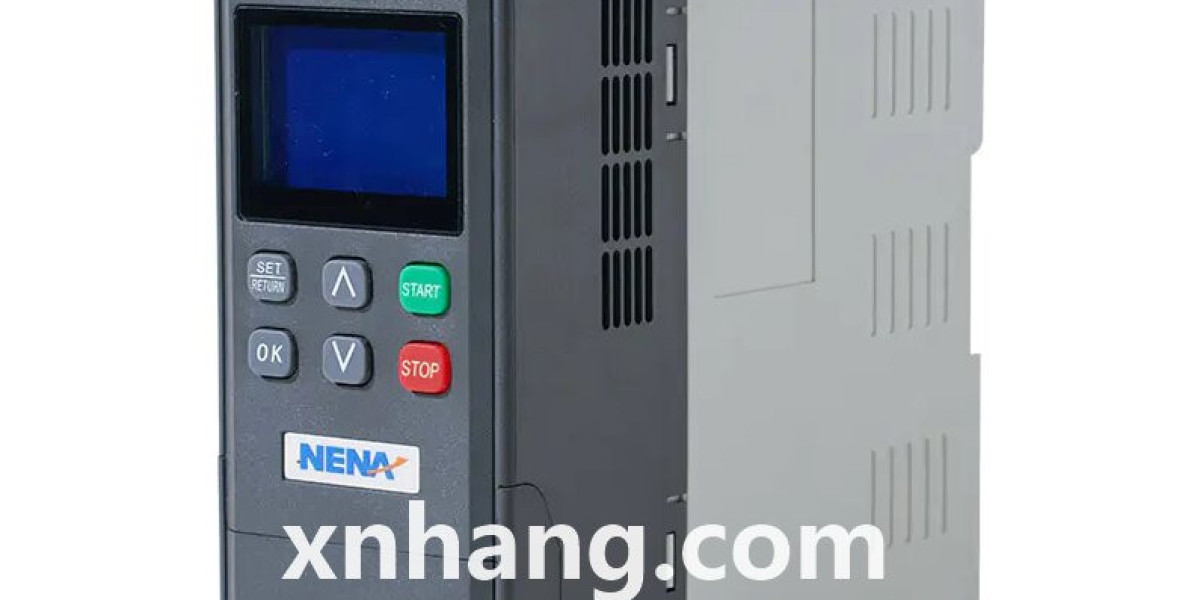

Electric motors serve as the driving force behind a wide range of industrial processes, from fluid transport and mechanical processing to ventilation and automated production lines. Engineers continually search for ways to start these motors smoothly while reducing electrical stress and mechanical wear. In many industrial control systems, a Built-in Bypass Soft Starter is integrated into the motor circuit so that voltage can be gradually increased during startup while allowing the system to transition efficiently to full operation once the motor reaches its rated speed.
Traditional direct-on-line motor starting methods apply full voltage instantly, which causes a high inrush current and a sudden torque surge. These effects may strain both the electrical network and the mechanical components connected to the motor. Sudden acceleration can lead to belt slippage, shaft stress, and voltage dips across the power system. Gradual voltage control techniques address these issues by allowing the motor to accelerate in a controlled manner.
The core operating principle behind controlled motor starting lies in the regulation of AC voltage using semiconductor switching components. Thyristors, also known as silicon-controlled rectifiers (SCRs), are commonly used to manage the flow of electricity during the starting phase. By adjusting the firing angle of these components within each AC cycle, the system can determine how much voltage is delivered to the motor windings at any moment. This method creates a progressive voltage ramp that allows the motor speed to increase smoothly.
As the motor accelerates, torque builds gradually, reducing the mechanical stress experienced by the driven equipment. Once the motor approaches its rated operating speed, the bypass function becomes important. Instead of continuously passing current through the power semiconductor components, the internal bypass circuit automatically transfers the load directly to a mechanical contactor. This design reduces heat generation within the control unit and improves overall energy efficiency during normal operation.
The built-in bypass mechanism offers several operational advantages compared with systems that rely entirely on electronic switching. Because the main current flows through the bypass contactor after startup, the power semiconductor devices are relieved from carrying continuous load current. This design helps extend the service life of the electronic components and reduces thermal stress within the control enclosure.
In many industrial environments, motor control equipment must operate reliably under demanding conditions such as high temperatures, dust exposure, and heavy mechanical loads. A well-designed motor starting system therefore includes multiple protective features. These typically include overload protection, phase loss detection, current limiting, and thermal monitoring. Such functions help prevent equipment damage and ensure that the motor operates within safe electrical limits.
Industrial sectors such as water treatment, mining, construction materials, and manufacturing frequently depend on stable motor startup to maintain operational continuity. Pump systems, for example, benefit from gradual acceleration because it reduces the likelihood of hydraulic shock in pipelines. Conveyor systems transporting bulk materials require smooth startup to prevent sudden tension changes that could damage belts or supporting structures.
Modern motor control technology also supports integration with automated monitoring systems. Many controllers can communicate with programmable logic controllers or industrial monitoring platforms, allowing engineers to observe startup performance, adjust operating parameters, and detect abnormal conditions early. This capability improves operational transparency and helps maintenance teams respond quickly when equipment requires attention.
Zhejiang Xinhang Electric Co., Ltd. focuses on the development and production of reliable motor control equipment designed for industrial applications. By combining precise voltage control technology with robust structural design, the company provides solutions that help industrial users manage motor startup safely while maintaining long-term operational stability.
In practical installations, engineers must consider factors such as cabinet ventilation, electrical wiring standards, and compatibility with existing control systems. Proper configuration ensures that the motor starting device operates according to the load characteristics of the equipment it drives. When correctly implemented, modern motor control systems contribute to smoother mechanical operation and improved power stability across industrial facilities.
Zhejiang Xinhang Electric Co., Ltd. provides detailed product information and technical resources for industrial motor control applications. Additional specifications and solution options can be explored through the company’s official website: https://www.xnhang.com .