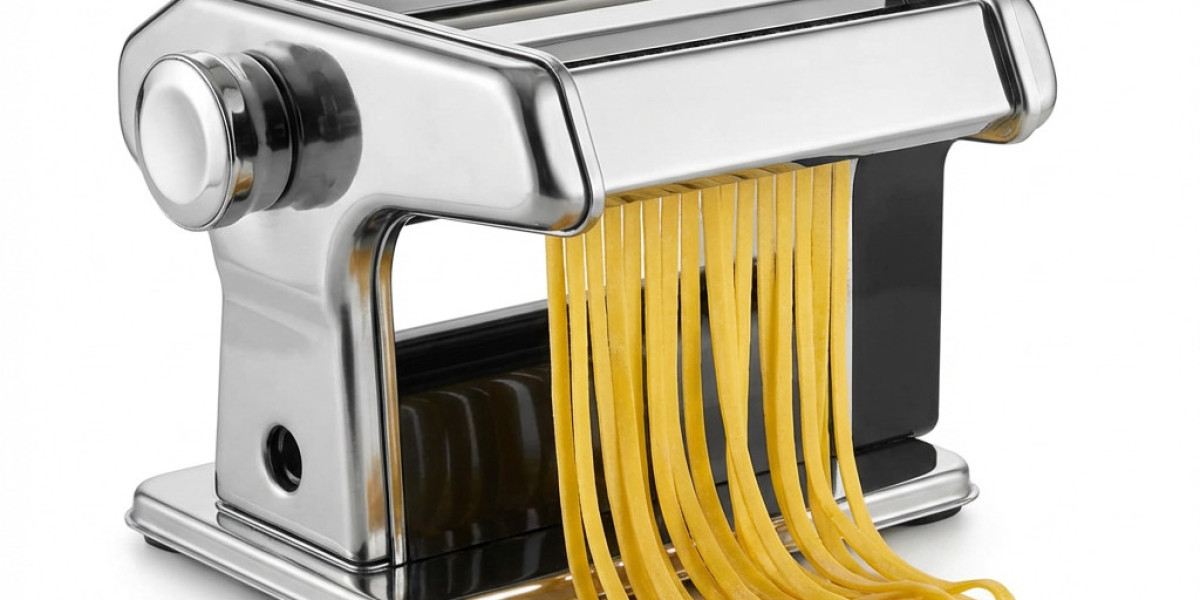

In modern culinary environments, the demand for fresh and authentic pasta continues to grow as diners seek out wholesome, handmade alternatives to processed foods. Establishments that prioritize quality often invest in specialized equipment to handle high volumes without sacrificing texture. Integrating a Commercial Pasta Maker into a kitchen workflow allows for the rapid production of various shapes, from delicate ribbons to thick sheets, while maintaining a consistent standard that manual methods cannot easily replicate. These machines are engineered to withstand rigorous use, making them a cornerstone for any business focusing on high output and reliability.
Efficiency starts with understanding the mechanical capabilities of the unit. These devices typically feature powerful motors and heavy duty rollers that knead and extrude dough with precision. Because the motor does the heavy lifting, the operator can focus on the hydration levels of the flour and water mixture. Achieving the correct balance in the dough is the first step in ensuring the machine runs smoothly. If the mixture is too wet, it may stick to the internal components, while a mixture that is too dry can place unnecessary strain on the gears. Maintaining a slightly crumbly texture that holds together when pressed is a common technique for keeping the equipment in good working order.
Daily maintenance is a fundamental part of the process. To ensure the longevity of the components, it is necessary to clean the rollers and cutters after every shift. Small bits of dried dough can accumulate in the crevices, which might eventually interfere with the thickness settings or the smoothness of the final product. Many professionals suggest using a soft brush or a dry cloth to remove debris rather than using water, as moisture can sometimes lead to oxidation in certain metal parts. By establishing a routine cleaning schedule, the staff ensures that the hardware remains ready for the next day of production.
Proper lubrication of moving parts also contributes to a steady workflow. While many modern units are designed to be low maintenance, a light application of food grade oil on the drive chains or gears can prevent friction and noise. This attention to detail reduces the likelihood of mechanical failure during busy service hours. Additionally, operators should regularly check the alignment of the cutting attachments. If the blades are not perfectly aligned, the pasta may come out with ragged edges or fail to separate completely, leading to wasted ingredients and slower preparation times.
The versatility of the equipment is its greatest strength. By simply changing the extrusion dies or adjusting the roller gap, a single unit can produce everything from spaghetti to lasagna sheets. This flexibility allows a kitchen to update its menu based on seasonal ingredients without needing additional heavy machinery. To maximize this versatility, it is helpful to organize the various attachments in a clean and accessible location. When the staff can switch between styles in a matter of minutes, the overall throughput of the kitchen increases significantly.
Ultimately, the goal is to provide a fresh product that tastes superior to dry alternatives. The transition from manual preparation to automated production represents a significant step toward professionalism and scalability. As the industry evolves, those who master their equipment find it easier to meet the expectations of a discerning public. Consistency in thickness and texture becomes the hallmark of a well managed kitchen, ensuring that every plate served meets a specific standard of quality. o view a selection of professional equipment, visit: https://www.cnhaiou.com/product/ .