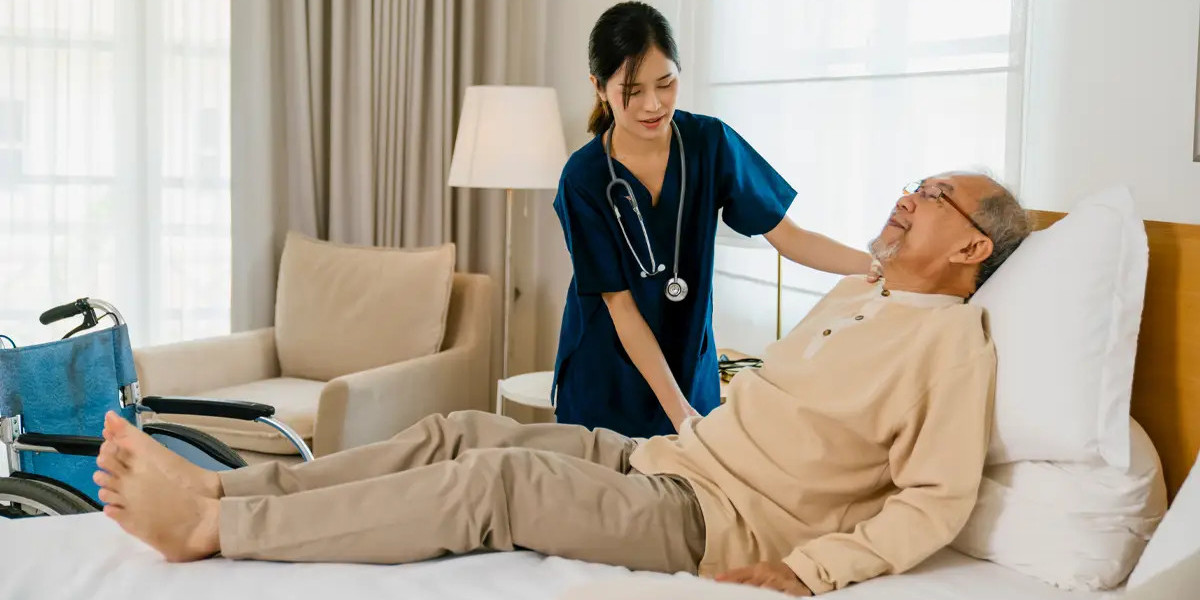

Post operative care at home is especially important for orthopedic patients, as recovery from bone, joint, or muscle surgery requires careful attention to mobility, pain management, and rehabilitation to ensure proper healing and long-term functionality. Unlike some other types of surgery, orthopedic recovery often involves gradual movement and structured physiotherapy at home to restore strength and independence. In many cases, support from a Doctor at Home service can help families manage recovery safely by providing medical supervision and guidance without frequent hospital visits. With the right care approach, orthopedic patients can recover effectively in a comfortable home environment.
Understanding Orthopedic Post-Surgical Recovery:
Orthopedic recovery involves healing bones, joints, ligaments, or muscles after surgical procedures such as fractures, joint replacements, or ligament repairs. This type of recovery requires patience and structured care. Key aspects include:
- Gradual restoration of mobility and strength
- Pain management and inflammation control
- Protection of surgical sites and bones
- Regular monitoring of healing progress
Understanding these factors is essential for effective post operative care at home for orthopedic patients.
Importance of Immobilization and Rest:
Rest and immobilization are critical in the early stages of orthopedic recovery to ensure proper bone alignment and healing. Excessive movement can lead to complications or delayed healing. Key practices include:
- Using casts, braces, or splints as prescribed
- Avoiding weight-bearing on affected limbs when advised
- Maintaining proper body positioning during rest
- Following strict activity restrictions from doctors
Proper immobilization ensures that bones and tissues heal correctly.
Pain Management in Orthopedic Recovery:
Orthopedic surgeries often involve significant pain during the initial recovery phase, making effective pain management essential for comfort and mobility. Key approaches include:
- Taking prescribed pain medications on schedule
- Using cold or warm compresses as recommended
- Practicing relaxation and breathing techniques
- Reporting severe or persistent pain to healthcare providers
Proper pain control helps patients participate more actively in rehabilitation.
Role of Physiotherapy and Rehabilitation:
Physiotherapy is a cornerstone of orthopedic recovery, helping patients regain strength, flexibility, and mobility after surgery. It must be done carefully and consistently. Important elements include:
- Guided exercises to improve joint movement
- Strength training for affected muscles
- Balance and coordination improvement activities
- Regular physiotherapist visits or home sessions
Rehabilitation ensures long-term recovery success and prevents stiffness.
Mobility Assistance and Safe Movement:
Orthopedic patients often require assistance with movement to prevent strain or injury during recovery. Safe mobility practices are essential. Key recommendations include:
- Using walkers, crutches, or wheelchairs when needed
- Avoiding sudden or unsupported movements
- Assisting patients during walking or transfers
- Ensuring clear and obstacle-free pathways at home
Safe mobility is a vital part of post operative care at home for orthopedic patients.
Wound Care and Infection Prevention:
Proper wound care is essential to avoid infections and complications after orthopedic surgery, especially when implants or surgical incisions are involved. Important practices include:
- Regular dressing changes using sterile techniques
- Keeping wounds clean and dry at all times
- Monitoring for redness, swelling, or discharge
- Following all hygiene instructions strictly
Good wound care significantly reduces infection risks and supports faster healing.
Nutrition for Bone and Tissue Healing:
Nutrition plays a major role in orthopedic recovery, as bones and tissues require specific nutrients to heal properly. A balanced diet supports faster recovery. Key dietary elements include:
- Calcium-rich foods for bone strength
- Protein for muscle and tissue repair
- Vitamin D for bone healing and absorption
- Hydration to support overall recovery
Proper nutrition enhances recovery outcomes and reduces healing time.
Preventing Complications in Orthopedic Patients:
Orthopedic patients are at risk of complications such as blood clots, stiffness, or muscle weakness if proper care is not maintained. Prevention strategies include:
- Encouraging light movement when permitted
- Performing breathing and circulation exercises
- Monitoring swelling or unusual pain
- Following all post-surgical instructions carefully
Early prevention ensures smoother and safer recovery.
Emotional Support During Orthopedic Recovery:
Long recovery periods can affect patients emotionally, especially when mobility is limited. Emotional support plays a key role in motivation and healing. Important approaches include:
- Providing encouragement and reassurance
- Helping patients stay engaged and positive
- Avoiding frustration or pressure during recovery
- Supporting gradual independence
Strong emotional care improves overall recovery experience.
When to Seek Medical Assistance:
Even with proper home care, some situations require immediate medical attention to prevent complications in orthopedic recovery. Warning signs include:
- Severe or worsening pain not controlled by medication
- Swelling or redness around surgical areas
- Difficulty moving limbs or sudden loss of function
- Signs of infection such as fever or discharge
In such cases, contacting a healthcare provider or arranging a Doctor at Home visit ensures timely intervention.
Long-Term Recovery and Lifestyle Adjustments:
Orthopedic recovery often requires long-term lifestyle changes to maintain joint health and prevent future injuries. Key adjustments include:
- Continuing physiotherapy exercises regularly
- Avoiding heavy lifting or high-impact activities
- Maintaining a healthy weight to reduce joint stress
- Following up with orthopedic specialists regularly
These adjustments help maintain long-term mobility and health.
Final Thoughts.
Post Operative recovery requires careful planning, patience, and consistent care to ensure successful healing at home. From pain management and physiotherapy to mobility assistance and nutrition, every aspect plays a crucial role in restoring strength and function. With proper caregiver support and timely medical guidance, including services like Doctor at Home when needed, patients can recover safely and effectively. A structured approach to post operative care at home ensures better outcomes, reduced complications, and a smoother return to normal life.