
Managing physical assets across construction projects has never been simple. Equipment moves between jobsites, tools get shared across crews, and materials are constantly in transit. When everything is in motion, keeping track of what you own and where it is becomes a real challenge. Many contractors still deal with missing tools, underused equipment, and delays caused by poor visibility.
What has changed in recent years is the way contractors approach this problem. Instead of relying on manual logs or scattered updates, they are building more structured systems around asset visibility and control. This is where construction asset tracking software has started to make a difference. It gives teams a clearer view of their assets without slowing down operations, helping them make better decisions day to day.
Why asset visibility is still a major challenge
Movement across sites creates constant gaps
On most projects, assets rarely stay in one place. Equipment gets reassigned, tools move between crews, and materials shift as work progresses. Without a reliable way to track these movements, visibility breaks down quickly.
Teams often rely on memory or informal updates to keep track of assets. That approach may work for smaller operations, but it becomes unreliable as projects grow and timelines tighten.
Limited tracking leads to poor decisions
When asset information is unclear, decisions become slower and less accurate. Managers may assume equipment is unavailable and order rentals, even when the asset is sitting unused on another site.
These kinds of decisions add cost and reduce efficiency, even though the issue started with something as simple as visibility.
The impact of not knowing where assets are
Time is lost before work even begins
Crews cannot start work without the right tools or equipment. When assets cannot be located quickly, valuable time is spent searching instead of working.
These delays are often short but frequent, and they add up across the duration of a project.
Idle assets reduce overall productivity
While some teams search for equipment, others may have assets sitting idle. This imbalance leads to poor utilization and unnecessary spending.
Better visibility helps correct this issue by showing which assets are active and which are not.
Real-time tracking improves day-to-day operations
Location data becomes instantly accessible
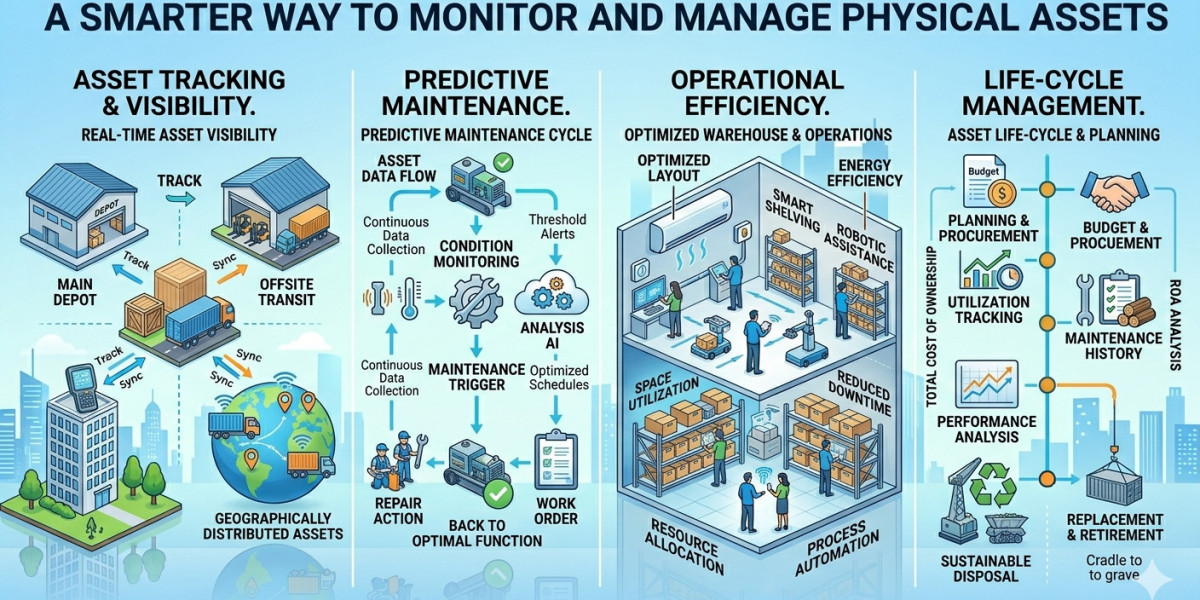
Contractors are moving toward systems that provide immediate access to asset location. Instead of calling multiple people or checking different logs, teams can see where assets are in real time.
This improves response time and allows crews to stay focused on their work instead of chasing information.
Asset movement is easier to manage
Tracking does not stop at location. It also helps manage how assets move between jobsites. Knowing when equipment leaves one site and arrives at another removes uncertainty and improves planning.
This level of control reduces confusion and helps teams coordinate more effectively.
Better asset tracking leads to smarter utilization
Understanding how assets are used
Tracking systems provide more than just location. They help contractors understand how often assets are used and how they perform over time.
With this information, teams can identify patterns that were previously hidden, such as overuse on certain units or underuse across others.
Making better allocation decisions
When usage becomes visible, allocation improves. Contractors can move assets to where they are needed most instead of relying on assumptions.
This reduces idle time and improves overall efficiency across the fleet.
Improving accountability across teams
Clear records reduce confusion
Without proper tracking, it is often unclear who last used an asset or where it was supposed to go next. This lack of clarity leads to repeated questions and delays.
A structured system creates a clear record of asset movement, making it easier to track responsibility and reduce misunderstandings.
Stronger coordination between field and office
When everyone works with the same data, communication improves. Field teams, supervisors, and office staff all have access to accurate information, which helps keep operations aligned.
This shared visibility reduces back-and-forth communication and speeds up decision-making.
Supporting maintenance and long-term asset health
Tracking helps identify maintenance needs
Asset tracking is not only about location. It also supports maintenance by providing better visibility into how assets are used.
When usage data is available, maintenance schedules can be adjusted to reflect actual conditions rather than rough estimates.
Preventing issues before they grow
Early visibility into asset condition helps teams catch small problems before they become major repairs. This reduces downtime and extends the life of equipment.
Contractors who manage this well spend less time reacting to breakdowns and more time keeping assets in working condition.
Building a system that fits real jobsite workflows
Simplicity matters in fast-paced environments
Contractors do not need complicated systems that slow down work. The most effective solutions are the ones that fit into daily operations without adding extra steps.
This is why many teams have adopted construction asset tracking software. It helps organize asset data in a way that is easy to access and act on, without disrupting existing workflows.
Consistency improves results
A system only works if it is used consistently. When teams rely on the same process for tracking and updating asset information, visibility improves across the board.
Consistency reduces gaps and helps maintain control even as projects become more complex.
Gaining better control over physical assets
Visibility leads to stronger decision-making
When contractors can see what they own and how it is being used, they make better decisions. Planning becomes more accurate, and resources are used more effectively.
This level of visibility reduces uncertainty and improves overall project performance.
Reducing waste across operations
Better asset management leads to less waste. Contractors spend less on unnecessary rentals, avoid duplicate purchases, and make better use of existing equipment.
These improvements may seem small individually, but they create meaningful savings over time.
Conclusion
Managing physical assets on fast-moving jobsites requires more than basic tracking. It requires a clear system that keeps information organized, accessible, and accurate. Contractors who are improving efficiency today are focusing on visibility, coordination, and better use of the assets they already have.
While construction asset tracking software supports this process, the real value comes from how teams use that visibility to make smarter decisions. When assets are easier to find, easier to manage, and easier to allocate, the entire operation becomes more efficient and far more predictable.