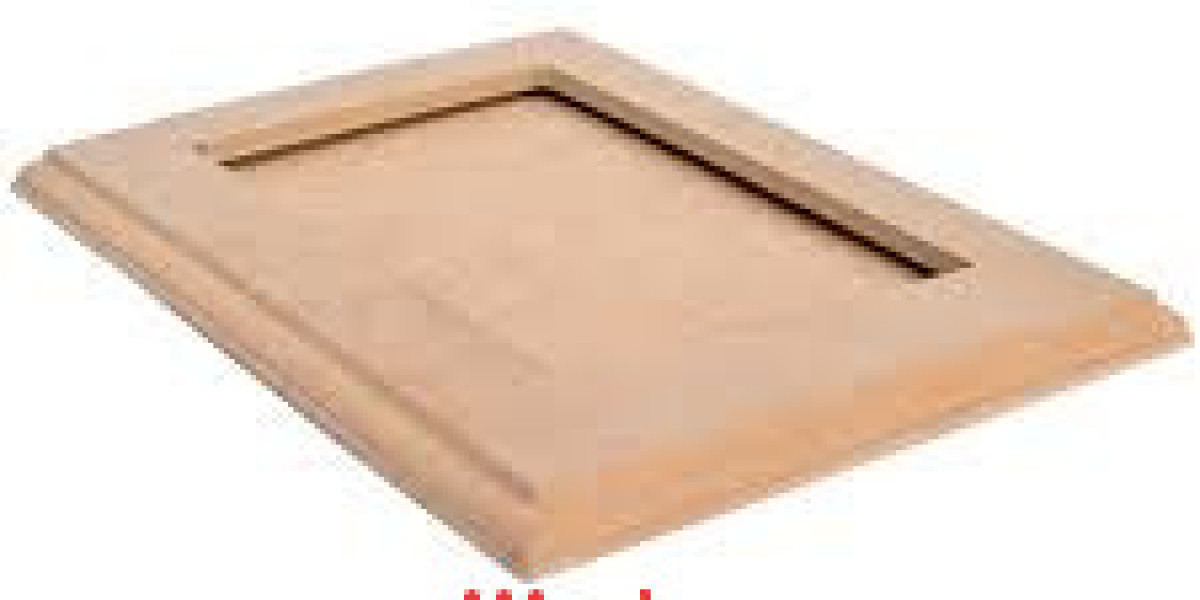

A bathroom wall seems harmless. Steam rises from every shower. A kitchen displays family photos near the sink. Humid environments test every material. MDF Photo Frame owners discover swelling corners and peeling finishes after one wet season. Raw medium-density fiberboard absorbs water like a sponge. Treated boards resist this moisture attack. What changes inside the material when a factory seals it against humidity? zjjinhuan engineers this difference into every frame destined for damp rooms.
Raw MDF consists of wood fibers mixed with wax and resin binders. These fibers wick moisture through capillary action. Water travels along each fiber from the exposed edge into the board's interior. Swelling starts at the cut edge where fibers are most accessible. A raw frame placed in a humid environment gains measurable thickness at its corners within weeks. The board expands unevenly. Joints loosen. The acrylic front no longer fits its groove. A once‑straight frame develops a visible warp.
Treated MDF undergoes edge sealing or full board impregnation. Edge sealing applies a moisture barrier to cut surfaces. A clear sealant penetrates the exposed fibers and blocks water entry. This treatment costs little but delivers significant protection for indoor frames. Full impregnation pushes water‑resistant additives throughout the entire board during manufacturing. Each fiber receives a hydrophobic coating before the board forms. Impregnated MDF resists humidity from all sides, not just the edges.
A simple test shows the difference. Two identical frames hang in a steamy bathroom for thirty days. The raw frame develops raised grain on its surface. Its corners feel rough where fibers have expanded. The sealed frame remains smooth to the touch. Its paint finish shows no cracks. Measurements confirm the raw frame grew two percent wider across its width. The treated frame changed less than half a percent. This difference determines whether a frame survives years of display or fails within one season.
Edge sealing alone cannot protect against liquid spills. A glass of water knocked over onto a sealed frame still causes damage if liquid pools along the edge. The sealant blocks vapor but not standing water. For frames near sinks or in laundry rooms, fully impregnated MDF offers genuine safety. MDF photo frame manufacturers like zjjinhuan offer both protection levels. A customer placing frames above a bathroom towel rack chooses edge sealing. One framing art for a coastal vacation home selects fully impregnated board.
The painting surface matters as much as the substrate. A raw MDF frame receives water‑based paint that dries into a porous film. Humidity passes through this film and reaches the wood fibers underneath. A treated frame uses moisture‑resistant paint or laminate. The top layer itself blocks water entry. Two‑stage protection — sealed board plus waterproof coating — defeats humidity completely. zjjinhuan applies both stages to frames intended for kitchens, baths, and covered porches.
Joint construction affects moisture vulnerability. A mitered corner exposes raw fiber on both cut surfaces. Even a sealed frame leaves these interior joints unprotected unless the sealant reaches inside the miter. Doweled or biscuited joints introduce additional raw surfaces deep within the assembly. Water finds these hidden entry points through capillary action along the glue line. Proper treatment requires sealing every cut surface before assembly, not just the exterior faces. zjjinhuan sequences their production to seal components before joining, not after.
The back panel presents another moisture path. Many frames use thin MDF for the rear cover. This panel often remains untreated because it hides from view. Humidity enters through this unsealed back and attacks the frame from inside. A fully protected frame uses a sealed back panel or substitutes a non‑absorbent material like plastic or aluminum composite. zjjinhuan offers both options. A customer specifying “full moisture protection” receives a frame with no uncovered MDF surfaces anywhere.
https://www.zjjinhuan.com/product/mdf-picture-frame/ lists treated MDF photo frame options for humid environments. The page distinguishes between edge‑sealed and fully impregnated boards. Each product listing states the intended humidity range. JinHuan tests every frame design in a climate chamber at elevated humidity before production approval. A design that swells beyond acceptable limits never reaches the catalog. One that passes retains its dimensions and finish throughout the test period.
No frame material offers perfect moisture immunity. Even sealed MDF swells slightly under extreme conditions. But raw MDF placed in a damp room guarantees failure. The difference between treated and untreated boards appears within weeks of installation. A home near the ocean requires the same frame protection as a bathroom. zjjinhuan builds MDF photo frame products for both environments. Why display a precious photograph in a frame that softens and warps the first time humidity arrives?