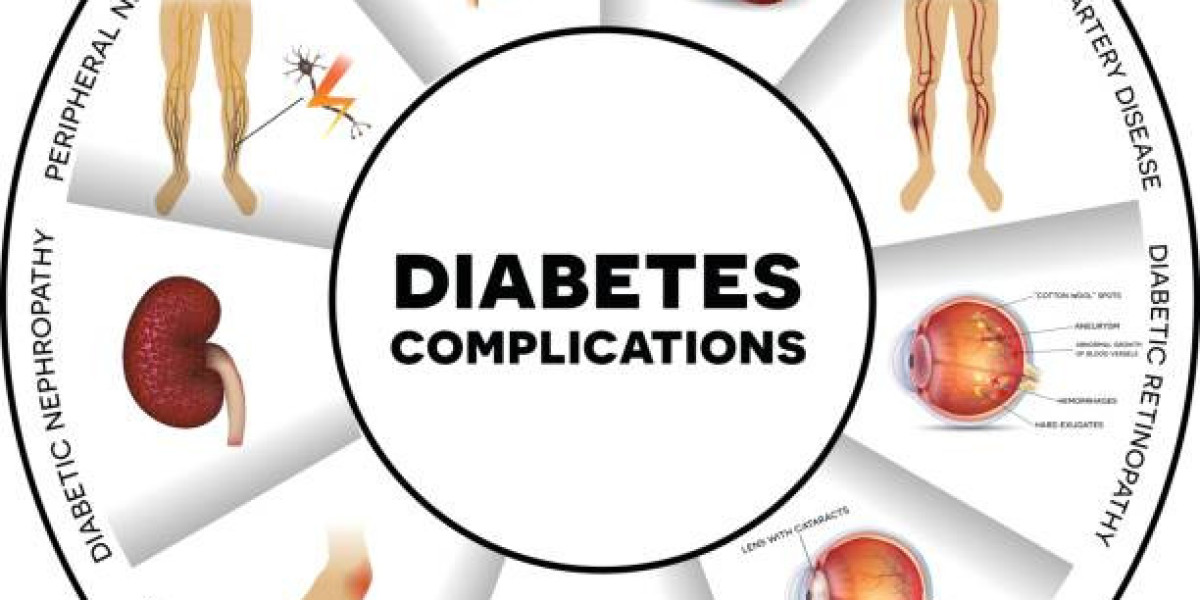

Diabetes is a systemic condition that requires constant vigilance to prevent complications that can affect nearly every organ in the body. One of the most common and serious complications associated with long-term high blood sugar is diabetic kidney disease, also known as diabetic nephropathy. This condition occurs when the high levels of glucose in the bloodstream cause physical damage to the tiny blood vessels that filter waste. When these filters are compromised, the kidneys can no longer effectively clean the blood, leading to a buildup of toxins and fluid. Understanding the early indicators of this condition is the first step in a proactive health strategy designed to maintain organ function and overall physical vitality.
Recognizing Subtle Early Indicators
In the beginning stages of renal decline, there are often no obvious physical symptoms. This makes the condition particularly dangerous because damage can occur for years without the patient feeling unwell. One of the first measurable signs is the presence of small amounts of protein in the urine, a condition called microalbuminuria. As the filtration system continues to struggle, individuals might eventually notice more visible signs such as swelling in the ankles, feet, or hands due to fluid retention. Changes in urination frequency or the appearance of foamy urine are also indicators that the kidneys are losing their ability to keep essential proteins within the bloodstream.
Managing Blood Sugar and Pressure
The primary method for slowing the progression of diabetic kidney disease involves the strict management of both blood glucose and blood pressure levels. High blood sugar acts as a direct toxin to the renal filters, while high blood pressure creates mechanical stress that scars the delicate tissue. By keeping these two metrics within a target range recommended by a physician, patients can significantly reduce the workload on their kidneys. This often involves a combination of a balanced diet, regular physical activity, and adherence to prescribed medications. Consistent monitoring at home provides the data necessary for a medical team to make informed adjustments to a treatment plan before minor issues become major crises.
Importance of Clinical Screenings
Because symptoms are so rare in the early phases, regular clinical screenings are the only definitive way to monitor renal health. A simple urine test can detect protein leakage long before any physical swelling appears. Additionally, blood tests to measure creatinine levels allow doctors to calculate the estimated glomerular filtration rate, which is the standard measurement for how well the kidneys are functioning. For individuals with a diagnosis of type one or type two diabetes, these tests should be performed at least once a year. Catching a decline in its infancy allows for the introduction of protective medications that can stall further damage and preserve a high quality of life.
Dietary Habits for Renal Support
Nutrition plays a vital role in supporting the kidneys of a person living with diabetes. Reducing the intake of processed foods that are high in sodium is essential, as salt encourages fluid retention and raises blood pressure. Many patients also benefit from moderating their protein intake, as processing high amounts of protein can put extra strain on a struggling renal system. Choosing whole, unprocessed foods like leafy greens, healthy fats, and complex carbohydrates helps maintain stable blood sugar levels while providing the nutrients necessary for cellular repair. Proper hydration with plain water also assists the kidneys in flushing out metabolic waste more efficiently without adding the stress of artificial sweeteners or caffeine.
Expert Care in Southern Oklahoma
For those residing in Ardmore OK and Gainesville TX, accessing specialized medical guidance is a key component of managing long-term health. The intersection of diabetes and renal care is complex and often requires the oversight of specialists who can coordinate with a primary care provider. By visitingSouth Oklahoma Kidney Center residents can find resources and professional support dedicated to the prevention and treatment of renal complications. Having a local medical home for these services ensures that patients can maintain the consistency required for successful health monitoring. Localized expertise allows for a treatment approach that considers the specific environmental and lifestyle factors common to the North Texas and Southern Oklahoma regions.
Securing Future Renal Vitality
Protecting the kidneys from the effects of chronic high blood sugar is a journey that requires both personal commitment and professional medical partnership. While a diagnosis of diabetes increases the risk of renal issues, it does not make them inevitable. South Oklahoma Kidney Center is committed to providing the community with the education and clinical tools necessary to combat the development of diabetic kidney disease. By prioritizing early screening, maintaining healthy blood pressure, and following a kidney-friendly nutritional plan, individuals can defend their bodies against the complications of diabetes. Taking these proactive steps today is the most effective way to ensure a healthy, active future where the kidneys continue to function at their best.