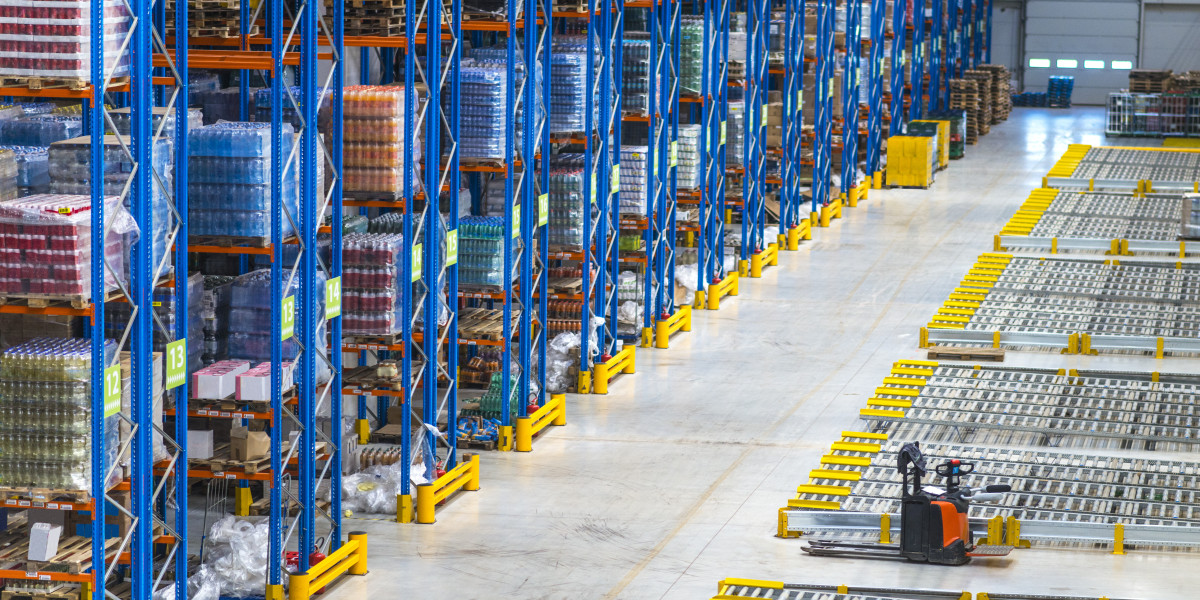

Racking systems play a vital role in modern storage and inventory management. From warehouses and industrial facilities to retail stores and even homes, these systems help organize goods efficiently while maximizing available space. If you're looking to improve storage capacity and streamline operations, understanding racking systems is essential.
What Are Racking Systems?
Racking systems are structured storage solutions designed to store materials, products, or goods in an organized and accessible manner. Typically made from durable materials like steel, these systems are engineered to handle varying load capacities while ensuring safety and stability.
They are commonly used in warehouses, distribution centers, manufacturing units, and retail environments where efficient storage and retrieval are critical.
Importance of Racking Systems in Storage
1. Maximized Space Utilization
Racking systems allow businesses to make full use of vertical and horizontal space. Instead of cluttering the floor, items can be stored in tiers, increasing storage capacity without expanding the physical area.
2. Improved Organization
With designated storage locations, it becomes easier to track inventory, reduce errors, and maintain a clean and structured environment.
3. Enhanced Productivity
Efficient storage systems enable faster retrieval of goods, reducing time spent searching for items and improving overall workflow.
4. Increased Safety
Well-designed racking systems help prevent accidents by securely storing items and minimizing the risk of falling goods.
Types of Racking Systems
Selective Racking
Selective racking is one of the most widely used systems. It provides direct access to each stored item, making it ideal for operations with a wide variety of products.
Drive-In and Drive-Through Racking
These systems are designed for high-density storage. They allow forklifts to enter the racking structure, making them suitable for storing large quantities of similar goods.
Cantilever Racking
Cantilever racking is perfect for long, bulky items such as pipes, timber, or metal sheets. It features arms extending from vertical columns for easy storage.
Pallet Flow Racking
This system uses gravity rollers to move pallets from the loading side to the picking side, ensuring efficient stock rotation.
Mobile Racking Systems
Mounted on movable bases, these systems maximize space by reducing the number of aisles needed, making them ideal for limited storage areas.
Key Features of Efficient Racking Systems
High Load Capacity
Racking systems are designed to handle heavy loads, making them suitable for industrial and commercial use.
Durability
Constructed from strong materials, these systems are built to withstand long-term usage and challenging environments.
Flexibility
Modern racking solutions are modular, allowing easy adjustments and expansion based on changing storage needs.
Easy Accessibility
Different designs ensure quick and convenient access to stored items, improving operational efficiency.
How to Choose the Right Racking System
Evaluate Storage Requirements
Identify the type, size, and weight of items you need to store. This will help determine the most suitable system.
Consider Available Space
Measure your storage area carefully, including ceiling height, to select a system that maximizes space usage.
Determine Load Capacity
Always ensure the racking system can safely support the weight of your goods.
Accessibility Needs
Choose a system based on how frequently items need to be accessed. High-turnover inventory requires easy-access solutions.
Future Scalability
Opt for a system that can be expanded or modified as your storage needs grow.
Installation and Safety Guidelines
- Ensure proper installation following recommended standards
- Anchor racks securely to the floor for stability
- Avoid overloading shelves beyond their capacity
- Conduct regular inspections for damage or wear
- Train staff on proper handling and storage procedures
Maintenance Tips for Racking Systems
Maintaining racking systems is crucial for long-term performance and safety. Regularly inspect for signs of corrosion, loose bolts, or structural damage. Clean the racks to prevent dust buildup and ensure a safe working environment. Immediate repairs should be carried out if any issues are detected.
Applications of Racking Systems
Racking systems are used in a variety of environments, including:
- Warehouses for inventory storage
- Retail stores for product display
- Manufacturing units for raw materials
- Offices for document organization
- Residential spaces for efficient storage
Benefits of Investing in Racking Systems
- Better space management
- Increased efficiency and productivity
- Improved inventory control
- Enhanced safety standards
- Long-lasting storage solution
Conclusion
Racking systems are a fundamental component of effective storage management. They not only help maximize space but also improve organization, safety, and operational efficiency. By selecting the right type of system and maintaining it properly, businesses and individuals can create a highly functional storage environment that supports long-term growth.
Frequently Asked Questions (FAQs)
1. What are racking systems used for?
Racking systems are used to store and organize goods in warehouses, retail stores, and other environments to improve efficiency and space utilization.
2. What materials are racking systems made of?
They are typically made from durable materials such as steel, ensuring strength and longevity.
3. How do I choose the best racking system?
Consider factors like load capacity, available space, type of goods, and accessibility requirements.
4. Are racking systems customizable?
Yes, most racking systems are modular and can be adjusted or expanded based on storage needs.
5. How often should racking systems be inspected?
Regular inspections should be conducted to ensure safety and identify any potential damage.
6. Can racking systems be used in small spaces?
Yes, there are compact and mobile racking solutions specifically designed for limited spaces.