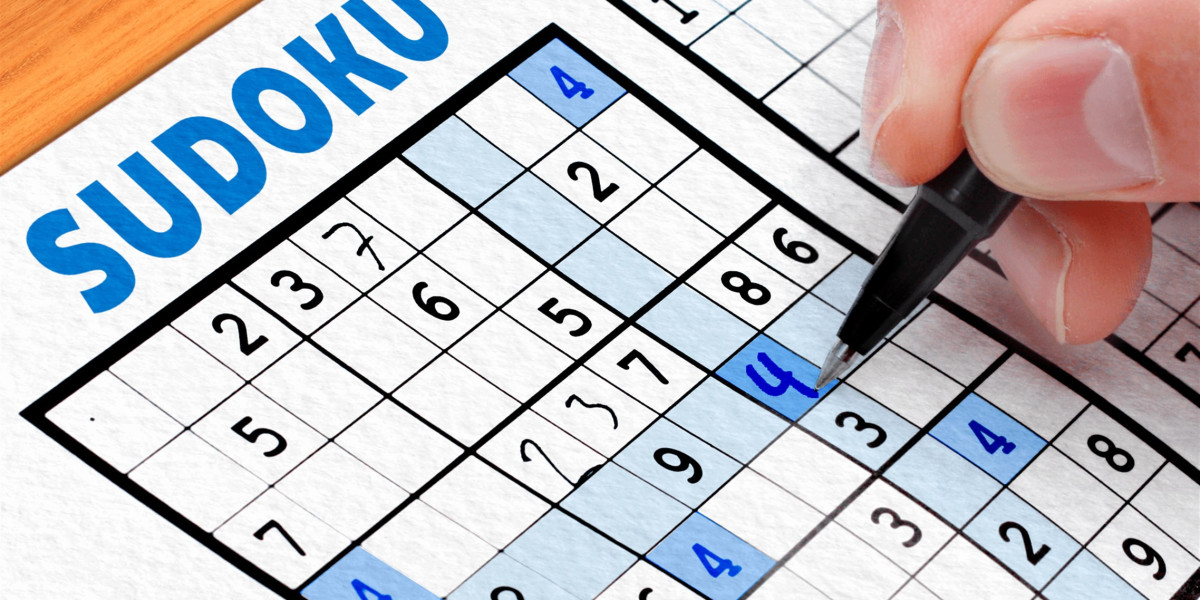

I Needed Something That Didn’t Feel Exhausting
After work, my brain usually feels completely drained.
Not physically tired exactly — more like mentally overloaded. Too many emails, too many conversations, too many tabs open in my head all at once.
For a long time, my solution was simple: scroll endlessly through social media until I forgot what day it was.
The problem?
That never actually helped.
Sometimes I would spend an hour watching random videos and somehow feel even more tired afterward. My brain never really relaxed. It just switched from work stress to internet chaos.
Then one evening, while searching for something different to do, I downloaded a random puzzle app.
That’s where I found Sudoku.
At first, I honestly thought it looked boring.
A game with numbers didn’t exactly sound like peak entertainment after a stressful day.
But I was curious enough to try one easy puzzle.
And somehow, that tiny decision turned into a nightly routine I still haven’t stopped.
My First Puzzle Was a Complete Disaster
I thought I understood the rules immediately.
Every row needs numbers from one to nine.
Every column needs numbers from one to nine.
Every smaller box section also needs numbers from one to nine.
Simple.
At least in theory.
The moment I actually started playing, my confidence disappeared instantly. I kept repeating numbers accidentally. I forgot what I already checked. Sometimes I stared at empty spaces hoping the correct answer would magically appear if I looked stressed enough.
Spoiler: it didn’t.
At one point, I became convinced the puzzle itself was broken because nothing made sense anymore.
Turns out I was the one making terrible decisions.
Still, even while struggling, I noticed something weirdly satisfying about the process.
Every small breakthrough felt rewarding.
Finding the correct number after several minutes of confusion gave me this tiny little rush of accomplishment that made me want to continue.
One solved section became another.
Then another.
And suddenly I had spent almost an hour solving a puzzle without checking social media once.
Honestly, that alone felt impressive.
Why It Feels Surprisingly Relaxing
This is probably the thing that surprised me most.
Normally, games either make me overly competitive or mentally exhausted after a while.
Sudoku somehow does the opposite.
When I play, my brain becomes quieter.
Instead of thinking about deadlines, notifications, unfinished tasks, or random worries, I focus entirely on one simple problem: figuring out the next correct move.
That’s it.
No loud music.
No pressure to react instantly.
No strangers online screaming because your team lost.
Just calm concentration.
And honestly, after chaotic workdays, that kind of quiet focus feels amazing.
Sometimes I play while drinking tea after dinner.
Other nights I solve a few easy boards before sleeping because it helps me disconnect from endless scrolling.
It almost feels meditative.
Well… until difficult puzzles decide to ruin my emotional stability.
The Puzzle That Personally Attacked Me
I need to admit something.
Some puzzles feel genuinely evil.
One evening, after successfully solving several medium boards, I became way too confident and decided to try an expert-level puzzle.
Terrible decision.
For nearly an hour, I made absolutely no progress. Every possible number seemed wrong. Every move created another problem somewhere else.
I checked the same rows so many times that the numbers started looking fake.
At some point, I actually accused the puzzle app of cheating.
Out loud.
Alone in my apartment.
Not exactly my proudest moment.
Eventually, I discovered the issue.
One incorrect number near the beginning had ruined the entire puzzle.
That’s all it was.
One tiny mistake caused almost an hour of confusion and frustration.
I just sat there staring silently at my screen like I had been personally betrayed.
Honestly, I almost deleted the app right there.
Instead, I restarted the puzzle immediately and tried again.
Because apparently I enjoy emotional suffering caused by number grids.
The Satisfaction Is Ridiculously Good
People who don’t enjoy puzzle games probably think this sounds dramatic.
But solving a difficult puzzle genuinely feels amazing.
Especially after struggling for a long time.
There’s this perfect little moment where the final number clicks into place and suddenly the whole board makes sense. Every row works perfectly. Every section connects correctly.
It feels like organizing mental chaos successfully.
One of my favorite memories happened during a rainy evening after a particularly stressful workday.
I had spent almost the entire afternoon dealing with annoying meetings and technical problems. My brain felt exhausted.
Instead of opening social media afterward, I opened a difficult puzzle.
For almost forty minutes, I focused completely on solving it.
And honestly?
By the time I finished, I felt calmer.
Not magically happy.
Just mentally lighter somehow.
That surprised me more than anything else.
Beginner Mistakes I Made Constantly
Looking back, I made every classic beginner mistake possible.
Guessing Randomly
Whenever I became impatient, I guessed.
Terrible strategy.
Every random guess eventually caused bigger problems later. It took me way too long to realize that patience matters more than speed.
Ignoring Pencil Marks
At first, I thought notes looked unnecessary.
Then difficult puzzles completely destroyed my confidence.
Now I use pencil marks constantly because they help organize possibilities and make patterns easier to notice.
Honestly, they changed everything.
Focusing on One Area Forever
I used to stare at the same section endlessly hoping answers would magically appear.
Meanwhile, the clue I needed was usually somewhere else entirely.
Learning to step back and scan the entire board helped me improve faster than anything else.
The Funniest Place I Ever Played
One of my funniest experiences happened during a family dinner.
Everyone else was talking loudly while I quietly solved a puzzle between conversations.
At some point, I became way too focused.
Apparently someone asked me a question three separate times before I noticed.
My cousin eventually looked over at my phone and asked, “Are you seriously doing math during dinner?”
Technically yes.
Not exactly the coolest hobby when you describe it like that.
But honestly, the puzzle was getting really interesting.
What I Unexpectedly Learned
I know it sounds dramatic to learn lessons from a puzzle game, but honestly, I think I did.
The biggest lesson was patience.
You can’t rush logic.
You can’t force solutions just because you’re frustrated.
Sometimes progress happens slowly, one step at a time.
That mindset surprisingly started helping me outside games too.
Whenever work feels overwhelming, I try breaking problems into smaller tasks instead of panicking immediately.
One task at a time.
One problem at a time.
One square at a time.
I also realized how rare focused concentration has become.
Most of us constantly multitask now. Messages, videos, notifications, emails — everything competes for attention all day long.
Spending quiet time focused on one puzzle feels surprisingly refreshing now.
Almost peaceful.
Even when the puzzle itself is emotionally attacking me.
Final Thoughts
I still think it’s funny how randomly this habit started.
One random app download somehow became one of my favorite ways to relax after stressful days.
Sure, some puzzles frustrate me enough to question my intelligence completely.
But solving a difficult board still feels incredibly satisfying every single time.
And honestly, finding something simple that helps your brain slow down without feeling boring is pretty rare these days.
So if you’ve never seriously tried Sudoku before, maybe give it a chance someday.