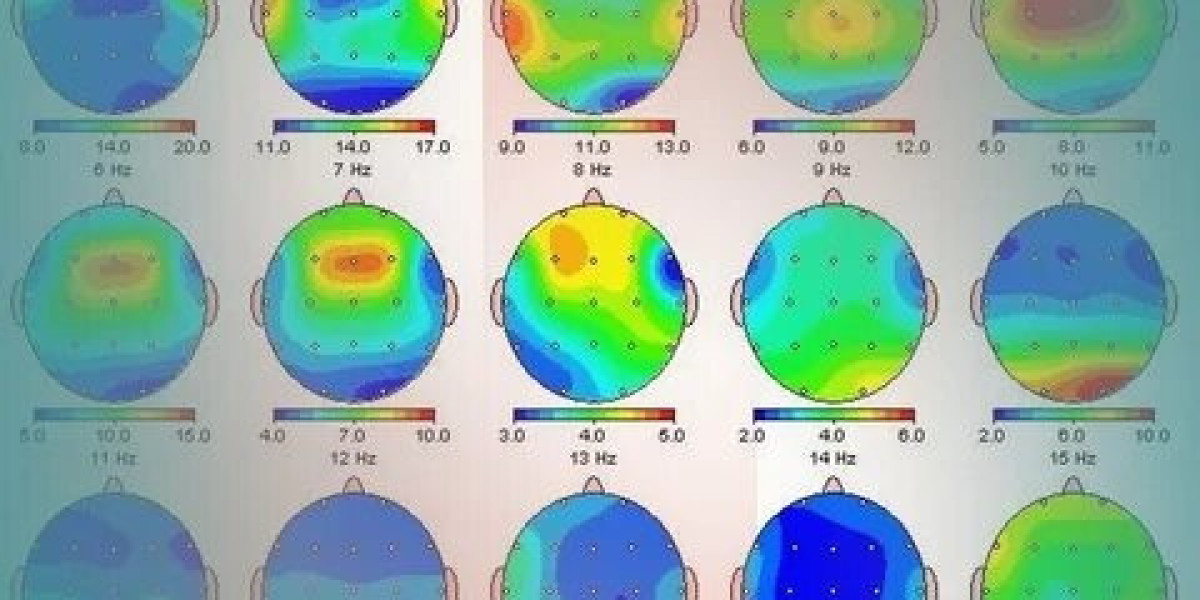

A qEEG assessment, also known as quantitative electroencephalogram brain mapping, is a non-invasive method used to evaluate brainwave activity and overall brain function. This advanced assessment helps identify patterns in brain activity that may be connected to emotional, cognitive, behavioral, and neurological challenges.
The process uses EEG technology to measure electrical activity in the brain. The collected data is then analyzed to create a detailed brain map that helps professionals better understand how the brain is functioning.
A qEEG assessment is commonly used to support individuals experiencing attention difficulties, anxiety, stress, emotional dysregulation, sleep problems, cognitive performance issues, and other mental wellness concerns.
How a qEEG Assessment Works
During the assessment, small sensors are placed on the scalp to record brainwave activity. The procedure is painless, safe, and comfortable for children, adolescents, and adults.
The brainwave data collected is compared to normative databases to identify areas of imbalance or dysregulation. These findings can help guide personalized brain training and neurofeedback therapy programs.
The assessment generally evaluates several brainwave frequencies, including:
- Delta waves
- Theta waves
- Alpha waves
- Beta waves
- Gamma waves
Each brainwave type plays a role in concentration, relaxation, emotional regulation, memory, and cognitive performance.
Benefits of qEEG Brain Mapping
A qEEG assessment offers valuable insights into brain activity and mental wellness. It provides a clearer understanding of how specific brain patterns may affect behavior, emotions, focus, and daily functioning.
Improved Understanding of Brain Function
Brain mapping helps identify areas of overactivity or underactivity in the brain. This information allows professionals to develop targeted therapeutic strategies that support healthier brain performance.
Personalized Neurofeedback Training
One of the biggest advantages of qEEG assessment is the ability to create customized neurofeedback therapy programs. Personalized brain training may improve focus, emotional balance, and cognitive performance more effectively.
Support for Emotional Regulation
Irregular brainwave patterns can contribute to anxiety, stress, mood instability, and emotional difficulties. qEEG analysis helps identify these patterns and supports therapies designed to improve emotional regulation.
Better Cognitive Performance
Brain mapping may reveal challenges related to concentration, memory, processing speed, and mental clarity. Understanding these areas can support cognitive enhancement and performance improvement.
Non-Invasive and Safe Assessment
The procedure does not involve medication, surgery, or painful techniques. It is considered a safe option for individuals seeking natural approaches to mental wellness and brain optimization.
Conditions Commonly Evaluated with qEEG Assessment
qEEG brain mapping is often used to evaluate a variety of cognitive, behavioral, and emotional concerns.
ADHD and Attention Difficulties
Children and adults with attention challenges may benefit from understanding how brainwave activity affects concentration, impulsivity, and hyperactivity.
Anxiety and Stress
Excessive stress and anxiety may be linked to irregular brainwave patterns. qEEG assessments can help identify dysregulation associated with heightened emotional responses.
Depression and Mood Imbalances
Brain mapping may assist in identifying brain activity patterns connected to emotional processing and mood regulation challenges.
Sleep Disorders
Poor sleep quality and insomnia can sometimes be associated with brainwave imbalances. qEEG evaluations help provide insights into relaxation and sleep-related brain activity.
Autism Spectrum Disorder
qEEG assessments may support individualized therapy planning for individuals experiencing sensory processing, social, and cognitive challenges.
PTSD and Trauma-Related Symptoms
Trauma can affect brain function and emotional regulation. Brain mapping may help identify areas impacted by stress responses and hyperarousal.
The Role of qEEG in Neurofeedback Therapy
qEEG assessment plays an important role in neurofeedback therapy because it provides a roadmap for personalized brain training. Neurofeedback uses real-time brainwave monitoring to help individuals improve self-regulation and brain performance.
By understanding the brain’s activity patterns, therapists can target specific areas that may benefit from training. This individualized approach may improve:
- Attention and focus
- Emotional control
- Mental clarity
- Stress management
- Sleep quality
- Cognitive flexibility
The goal is to help the brain function more efficiently and maintain healthier patterns over time.
What to Expect During a qEEG Assessment
The assessment process is typically simple and comfortable.
Initial Consultation
A professional may begin by discussing symptoms, concerns, medical history, and wellness goals.
EEG Recording Session
Sensors are placed on the scalp to measure brainwave activity while the individual relaxes with eyes open and closed.
Data Analysis
The recorded brainwave patterns are analyzed using specialized software to identify irregularities or areas of imbalance.
Personalized Recommendations
Based on the findings, professionals may recommend neurofeedback therapy, cognitive training, counseling, or other supportive wellness strategies.
Why Early Brain Assessment Matters
Early evaluation of brain function can help identify patterns that may affect emotional wellness, learning, behavior, and cognitive performance. Addressing these challenges early may improve long-term outcomes and support healthier brain development.
Children, adolescents, and adults can all benefit from greater awareness of their brain health and personalized support strategies.
Conclusion
A qEEG assessment is a valuable tool for understanding brain function, emotional regulation, and cognitive performance. By analyzing brainwave activity, this non-invasive brain mapping technique provides important insights that can guide personalized neurofeedback and mental wellness therapies.
Whether someone is dealing with ADHD, anxiety, stress, sleep difficulties, PTSD, or cognitive challenges, qEEG brain mapping can support more targeted and effective therapeutic approaches for long-term brain health and emotional balance.
Frequently Asked Questions (FAQs)
What does a qEEG assessment measure?
A qEEG assessment measures electrical brainwave activity to evaluate how different areas of the brain are functioning.
Is qEEG assessment safe?
Yes, qEEG is a safe and non-invasive procedure that does not involve pain, medication, or surgery.
How long does a qEEG assessment take?
The process may vary, but many assessments are completed within one to two hours, including setup and analysis.
Can qEEG help with ADHD?
Yes, qEEG assessments are commonly used to identify brainwave patterns associated with attention difficulties and support personalized therapy planning.
What is the difference between EEG and qEEG?
An EEG records brainwave activity, while qEEG uses advanced analysis and brain mapping techniques to interpret the data more comprehensively.
Can children undergo qEEG assessment?
Yes, qEEG assessments are suitable for children, adolescents, and adults seeking support for cognitive, behavioral, or emotional challenges.