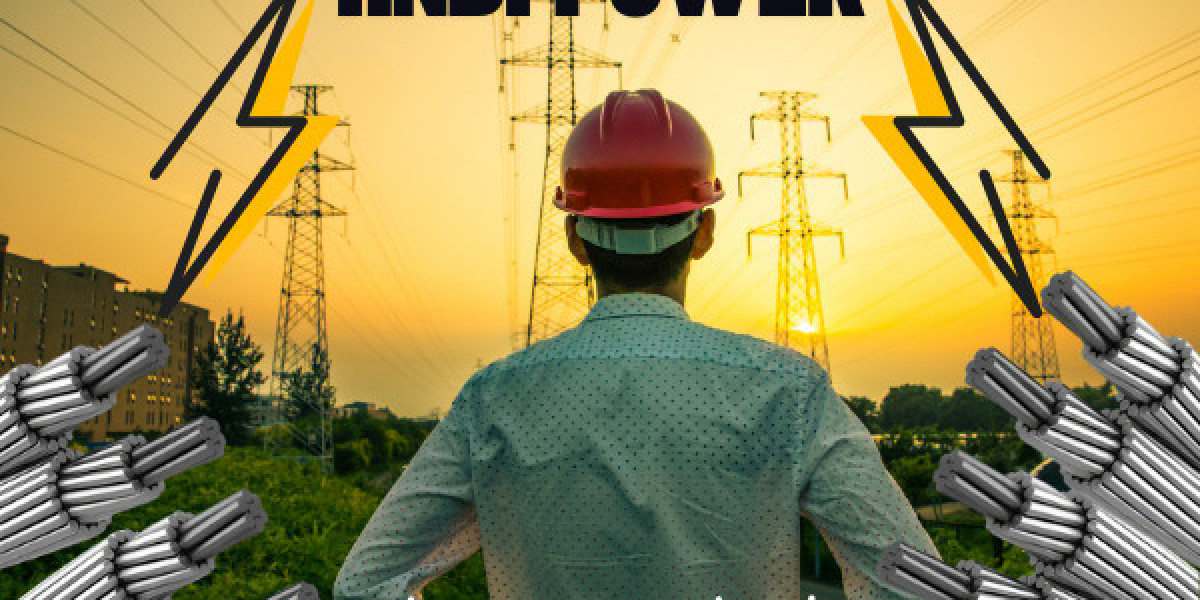

The demand for stable, efficient, and cost-effective electricity transmission is rapidly increasing due to urban expansion, industrial growth, and renewable energy integration. In this evolving energy landscape, aerial power cable systems have become a critical solution for overhead power distribution networks. They offer a practical alternative to underground cabling, especially in regions where installation cost, terrain complexity, and maintenance accessibility are key concerns.
Aerial power cables are engineered to deliver reliable electrical performance while minimizing transmission losses and ensuring long service life under harsh environmental conditions. They are widely used in utility distribution networks, rural electrification projects, industrial zones, and urban infrastructure upgrades.
For engineering teams and procurement specialists, selecting the right conductor system is essential to ensure grid stability, operational safety, and long-term cost efficiency. As a global manufacturer of overhead conductors and power cable systems, HNBF Power provides advanced solutions including AAC, AAAC, ACSR, ABC, LV power cables, and concentric cable systems designed for modern power distribution requirements.
This article explores the structure, types, applications, selection criteria, and technical advantages of aerial power cables to support informed decision-making for infrastructure projects.
What is an Aerial Power Cable?
An aerial power cable is an overhead electrical conductor system used for transmitting and distributing electricity above ground. These cables are typically installed on poles or towers and are designed to withstand environmental stress such as wind, temperature variation, corrosion, and mechanical tension.
Unlike underground cables, aerial power cables are easier to install, inspect, and maintain. They are widely preferred for medium- and low-voltage distribution networks due to their cost-effectiveness and operational flexibility.
Modern aerial cable systems are engineered using aluminum or aluminum alloy conductors, sometimes reinforced with steel cores to enhance mechanical strength. Insulation may or may not be present depending on whether the system is bare conductor or insulated aerial bundled cable (ABC).
Types of Aerial Power Cables Used in Power Distribution
Different project requirements demand different conductor types. HNBF Power manufactures a wide range of aerial cable solutions tailored for utility and industrial applications.
AAC (All Aluminum Conductor)
AAC cables are made entirely of aluminum strands. They offer excellent conductivity and are mainly used in urban areas where support spans are shorter. Their corrosion resistance makes them suitable for coastal environments.
AAAC (All Aluminum Alloy Conductor)
AAAC cables provide higher mechanical strength compared to AAC. They are ideal for medium to long-span installations and offer improved resistance to corrosion and sagging.
ACSR (Aluminum Conductor Steel Reinforced)
ACSR is one of the most widely used overhead conductors. It combines aluminum’s conductivity with steel’s tensile strength, making it suitable for long-distance transmission lines and high-tension applications.
ABC (Aerial Bundled Cable)
ABC systems consist of insulated phase conductors bundled together. They are widely used in urban distribution networks to improve safety, reduce power theft, and minimize line faults caused by weather or external contact.
LV Power Cable & Concentric Cable
Low-voltage aerial systems are used for residential and small commercial distribution networks. Concentric cables are designed for enhanced safety and compact installation in densely populated areas.
Market Demand and Applications of Aerial Power Cables
The global demand for aerial power cables is increasing due to several infrastructure and energy trends:
- Rapid urbanization requiring efficient power distribution upgrades
- Expansion of rural electrification projects in developing regions
- Integration of renewable energy into grid systems
- Replacement of aging transmission infrastructure
- Increased focus on grid safety and reliability
Key application areas include:
- Utility transmission and distribution networks
- Industrial power supply systems
- Smart city infrastructure
- Rural electrification projects
- Temporary and emergency power installations
Aerial power cables remain a preferred solution due to their lower installation cost and faster deployment compared to underground systems.
Technical Advantages of Aerial Power Cable Systems
Modern aerial cable systems offer several engineering and operational benefits:
1. Cost Efficiency
Installation and maintenance costs are significantly lower than underground cable systems, making aerial solutions ideal for large-scale power distribution projects.
2. Easy Maintenance and Inspection
Fault detection and repair are simpler due to visible installation, reducing downtime and operational disruption.
3. High Mechanical Strength
ACSR and AAAC conductors provide excellent tensile strength, allowing long-span installations even in challenging terrains.
4. Improved Safety with ABC Systems
Insulated bundled cables reduce risks of electrical faults, short circuits, and accidental contact, improving overall grid safety.
5. Long Service Life
High-quality aluminum alloys and corrosion-resistant materials ensure durability even under extreme environmental conditions.
Selection Criteria for Engineers and Procurement Teams
Choosing the right aerial power cable requires careful evaluation of technical and environmental factors:
Voltage and Load Requirements
Determine whether the project requires low, medium, or high-voltage transmission capacity.
Span Length and Terrain
Long spans require stronger conductors like ACSR, while urban grids may use AAC or ABC systems.
Environmental Conditions
Coastal, humid, or industrial areas require corrosion-resistant materials such as AAAC.
Mechanical Stress and Wind Load
High-wind regions demand conductors with enhanced tensile strength and reduced sag characteristics.
Regulatory and Safety Standards
Compliance with international and regional power distribution standards is essential for safe and reliable operation.
Installation Considerations for Aerial Power Cables
Proper installation ensures optimal performance and system longevity:
- Accurate tensioning to prevent sagging or conductor stress
- Proper pole or tower spacing based on load calculations
- Use of appropriate insulators and hardware fittings
- Ground clearance compliance for safety regulations
- Regular inspection and maintenance scheduling
Engineering precision during installation directly impacts long-term grid reliability and performance efficiency.
Why Choose HNBF Power for Aerial Power Cable Solutions
HNBF Power is a global manufacturer specializing in advanced overhead conductor systems and power cable solutions designed for modern electrical infrastructure needs.
Key advantages include:
- Wide product range including AAC, AAAC, ACSR, ABC, LV power cable, and concentric cable
- Engineering-grade materials designed for high performance and durability
- Solutions tailored for utility, industrial, and infrastructure projects
- Strong focus on mechanical strength, conductivity, and environmental resistance
- Custom manufacturing capabilities based on project specifications
HNBF Power supports utilities, EPC contractors, and infrastructure developers with reliable conductor solutions that enhance grid efficiency and long-term operational stability.
FAQs About Aerial Power Cable
1. What is the main purpose of aerial power cables?
Aerial power cables are used to transmit and distribute electrical power above ground efficiently, especially in areas where underground installation is not practical or cost-effective.
2. What is the difference between AAC and ACSR cables?
AAC is made entirely of aluminum and offers good conductivity, while ACSR includes a steel core for higher mechanical strength and long-span applications.
3. Where are ABC cables commonly used?
ABC cables are widely used in urban and residential areas to improve safety, reduce power theft, and minimize electrical faults.
4. How long do aerial power cables last?
With proper installation and material selection, aerial power cables can last 30 years or more depending on environmental conditions.
5. What factors affect cable selection for a project?
Key factors include voltage level, span distance, environmental conditions, load capacity, and mechanical stress requirements.
Conclusion
Aerial power cables remain a foundational component of modern electrical distribution systems, offering a balance of cost efficiency, durability, and operational flexibility. With growing global demand for reliable energy infrastructure, selecting the right conductor system is critical for long-term performance and safety.
HNBF Power continues to deliver high-performance aerial conductor solutions designed to meet the evolving needs of utility companies, EPC contractors, and industrial power networks.
For customized aerial power cable solutions tailored to your project requirements, contact HNBF Power today to discuss technical specifications and procurement support for your next infrastructure development.