
Machine precision directly affects productivity, product quality, and profitability in modern manufacturing. Industries such as robotics, CNC machining, medical equipment, optical systems, and semiconductor production rely heavily on stable mechanical movement to maintain operational accuracy.
However, when machines begin showing positioning errors, vibration, inconsistent movement, or lower repeatability, many industrial teams focus only on software settings, motor issues, or recalibration. In reality, the root problem often begins with a mechanical component hidden inside the system—the bearing.
In precision environments, even minor instability creates major operational consequences. A slight movement deviation can affect product tolerances, increase material waste, reduce production efficiency, and create expensive downtime.
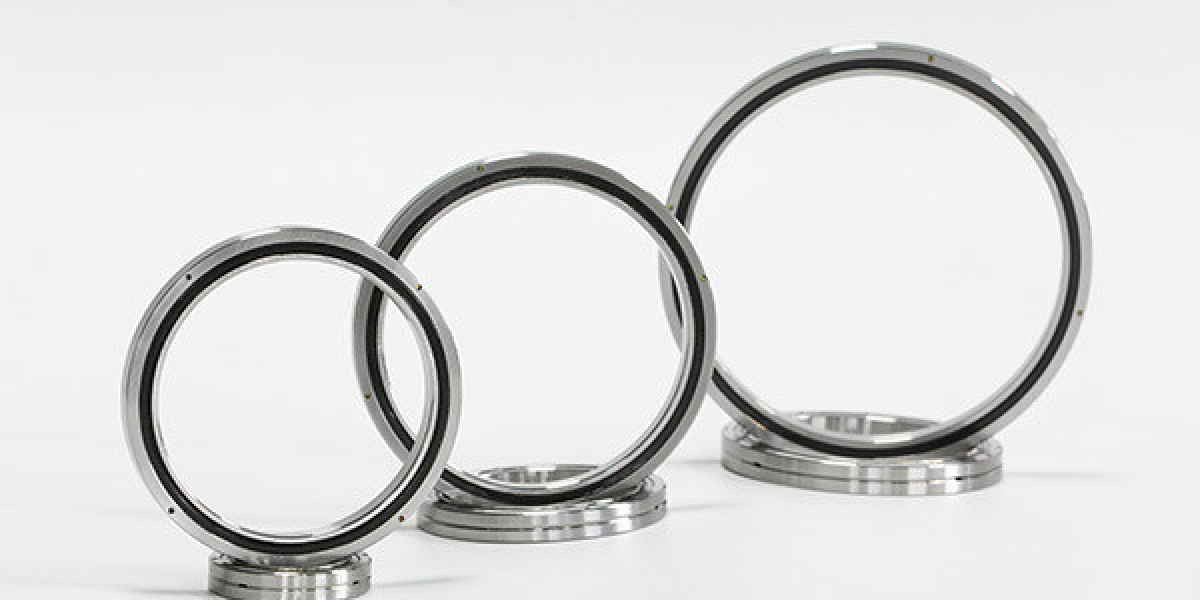
This is particularly true in compact machinery where high rigidity and precise movement are essential. In these applications, an RA cross roller bearing can play a critical role in maintaining stability and reducing operational risk.
Understanding how incorrect bearing selection contributes to machine precision failure helps industrial businesses avoid costly disruptions.
The Hidden Cost of Precision Loss
Small mechanical inaccuracies may seem insignificant at first, but they quickly create expensive operational problems.
When equipment loses stability, businesses often experience:
- Increased product defects
- Higher rejection rates
- More frequent maintenance interruptions
- Lower machine efficiency
- Unexpected downtime
- Reduced customer confidence
For example, in CNC applications, even slight instability during movement may create dimensional inaccuracies that fail inspection standards.
Similarly, robotic systems performing repetitive assembly tasks require exact positioning consistency. Mechanical instability often reduces precision and slows production speed.
In competitive manufacturing industries, these issues directly affect profitability.
Why Standard Bearings Often Fail in Compact Precision Equipment
Many businesses unknowingly create machine performance problems by installing bearing systems that are not engineered for compact precision environments.
Industrial equipment frequently operates under:
- Combined radial and axial loads
- Continuous movement cycles
- Tight tolerance requirements
- High rigidity demands
- Space limitations
Traditional bearing systems may struggle under these conditions.
Reduced Structural Stability
Weak bearing rigidity allows unwanted movement, reducing machine accuracy.
Difficulty Supporting Combined Loads
Machines experiencing force from multiple directions require stronger internal load support.
Increased Vibration
Minor instability often develops into vibration that affects precision and repeatability.
Faster Mechanical Wear
Poor force distribution creates additional stress across surrounding machine components.
For industries where accuracy is critical, these issues become long-term operational problems.
How RA Cross Roller Bearing Solves Precision Challenges
An RA cross roller bearing is specifically engineered for compact industrial equipment requiring high rigidity and smooth rotational performance.
Unlike conventional bearing arrangements, cylindrical rollers are positioned at alternating angles inside the bearing structure. This design allows the bearing to support radial loads, axial loads, and moment loads simultaneously.
As a result, machines gain stronger movement stability while maintaining compact design efficiency.
Better Rotational Accuracy
Precision systems require stable and repeatable movement. RA cross roller bearing designs help reduce rotational deviation.
Higher Rigidity in Limited Space
Compact machines often require maximum performance from limited installation areas. RA-type bearings support high stiffness without increasing system size.
Improved Load Management
Multi-directional force handling improves movement consistency and operational balance.
Reduced Vibration
Stable internal support minimizes movement instability that affects product quality.
Lower Downtime Risk
Durable bearing performance helps reduce emergency maintenance interruptions and equipment failure.
For manufacturers focused on precision, these benefits improve operational consistency and equipment reliability.
Industries That Depend on RA Cross Roller Bearings
Several industrial sectors rely on compact precision movement to maintain performance standards.
Robotics and Automation
Robot joints require accurate positioning for repeatable movement performance.
Optical Equipment
Precision optical systems depend on smooth movement and minimal vibration.
Medical Devices
Imaging and surgical equipment require stable mechanical precision.
Semiconductor Manufacturing
Micro-level production environments demand extremely accurate positioning.
CNC and Precision Machinery
Cutting accuracy depends heavily on rotational consistency and stability.
In these industries, poor bearing performance often creates hidden production inefficiencies.
Warning Signs Your Equipment May Need RA Cross Roller Bearings
Manufacturers should review machine performance if systems regularly experience:
Positioning Errors
Movement inconsistency often signals poor mechanical support.
Unexpected Vibration
Persistent vibration usually indicates reduced rigidity.
Frequent Calibration Adjustments
Repeated recalibration often points toward instability inside rotational systems.
Higher Product Rejection Rates
Precision loss commonly affects manufacturing quality.
Shorter Equipment Lifespan
Excessive wear may indicate poor force distribution.
Recognizing these warning signs early helps prevent larger operational failures.
How to Select the Right RA Cross Roller Bearing
Industrial buyers should evaluate machine requirements before choosing a bearing solution.
Important factors include:
Required Precision Level
Applications demanding exact positioning require higher rigidity.
Space Constraints
Compact systems often benefit from RA bearing configurations.
Load Conditions
Understanding axial, radial, and moment loads improves compatibility.
Operating Speed
Rotational performance requirements influence bearing selection.
Environmental Conditions
Temperature, contamination, and humidity may affect reliability.
Choosing the right bearing configuration helps improve performance while reducing operational risk.
Why Bearing Selection Directly Impacts Productivity
Advanced industrial equipment performs only as well as the components supporting it.
Many businesses invest heavily in robotics, automation, and precision systems but overlook the mechanical foundation that supports movement accuracy.
Poor bearing selection often increases maintenance costs, reduces efficiency, and limits equipment performance.
Investing in the right RA cross roller bearing helps businesses maintain precision while reducing long-term operational costs.
Conclusion
Precision machine failure rarely begins with one major problem. More often, it starts with small mechanical weaknesses that gradually affect positioning accuracy, increase vibration, and reduce consistency.
Businesses experiencing repeated precision problems should evaluate whether their current bearing system supports operational requirements.
An RA cross roller bearing provides a practical solution for compact equipment requiring rigidity, smooth motion, and high positioning accuracy. By selecting the correct bearing system, manufacturers can reduce downtime, improve product quality, and maintain long-term operational reliability.