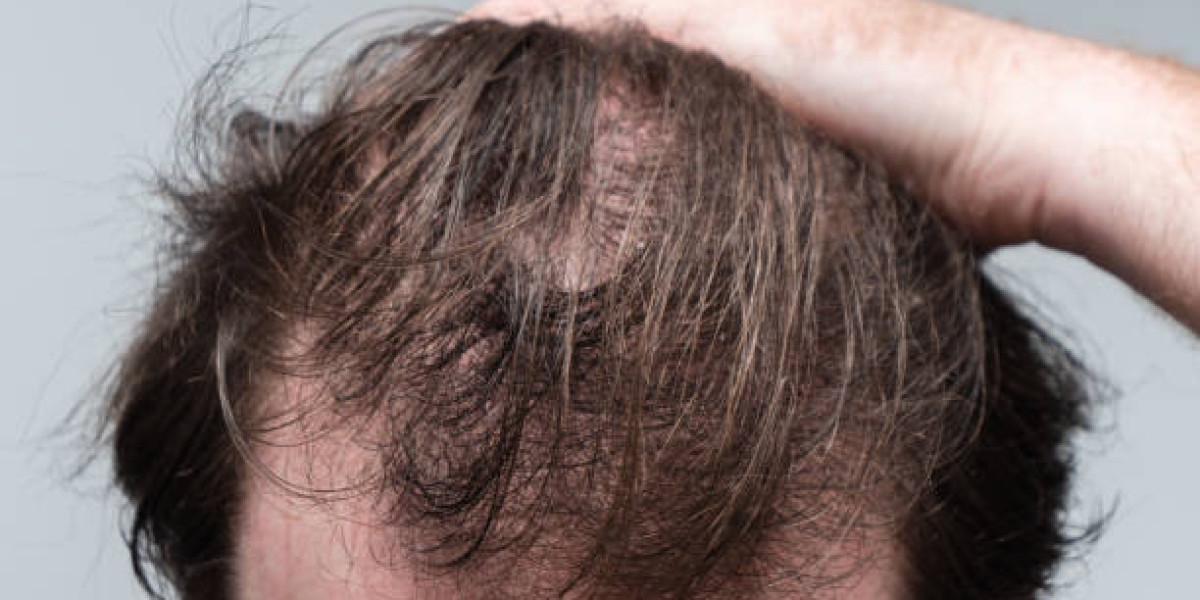

Hair loss is not always caused by genetics or hormones alone—many cases begin with underlying scalp conditions that quietly disrupt the health of hair follicles. The scalp is the foundation of hair growth, and when it becomes unhealthy, inflamed, or imbalanced, hair follicles struggle to function properly. Over time, this leads to increased shedding, thinning, and weakened hair structure.
Modern Hair Loss Treatment approaches emphasize treating scalp conditions first because restoring scalp health often improves hair growth naturally and enhances the effectiveness of medical therapies.
Why Scalp Health Is Critical for Hair Growth
The scalp provides nourishment, oxygen, and stability to hair follicles. When this environment is disturbed, hair growth slows down or stops.
Functions of a Healthy Scalp
- Supplies nutrients to hair follicles
- Maintains proper oil (sebum) balance
- Supports blood circulation
- Protects against infections
- Regulates hair growth cycle
A healthy scalp is essential for strong hair growth.
Common Scalp Conditions That Cause Hair Loss
Several scalp issues directly affect follicle health and lead to hair thinning.
Seborrheic Dermatitis
A common inflammatory condition linked to excess oil and dandruff.
- Causes itching and flaking
- Leads to scalp inflammation
- Weakens hair roots over time
- Increases shedding
Dandruff
A mild but persistent scalp condition.
- Caused by dry or oily imbalance
- Leads to visible flakes
- Can irritate follicles
- May contribute to temporary hair fall
Psoriasis
An autoimmune scalp condition.
- Causes thick, scaly patches
- Leads to inflammation and discomfort
- Disrupts normal hair growth
- Can result in localized hair loss
Fungal Infections
Infections affecting scalp skin and follicles.
- Cause itching and redness
- Lead to patchy hair loss
- Damage follicle structure
- Require medical treatment
Excess Oil Production
Overactive sebaceous glands can block follicles.
- Clogs hair roots
- Attracts bacteria and buildup
- Weakens follicle activity
- Leads to dull and thinning hair
How Scalp Conditions Disrupt Hair Growth
When the scalp is unhealthy, hair follicles cannot function normally.
Effects on Hair Growth Cycle
- Shortens growth (anagen) phase
- Increases shedding (telogen phase)
- Blocks nutrient delivery to follicles
- Reduces oxygen supply
- Causes follicle miniaturization
These changes gradually lead to visible hair loss.
Early Signs of Scalp-Related Hair Loss
Scalp issues often show warning signs before major hair thinning occurs.
What to Watch For
- Persistent itching or irritation
- Flaking or dandruff buildup
- Redness or inflammation
- Excessive oiliness or dryness
- Increased hair shedding
Early detection helps prevent worsening hair loss.
How Hair Loss Treatment Addresses Scalp Problems
Modern treatments focus on restoring scalp balance and improving follicle health.
Treatment Goals
- Reduce inflammation and irritation
- Clean and unclog follicles
- Restore oil balance
- Improve blood circulation
- Support healthy hair regrowth
Healthy scalp equals better treatment results.
PRP Therapy for Scalp Healing
Platelet-Rich Plasma (PRP) therapy helps repair and rejuvenate the scalp.
How It Helps
- Reduces inflammation
- Improves tissue healing
- Strengthens weak follicles
- Enhances natural regeneration
It supports overall scalp recovery.
Mesotherapy for Scalp Nutrition
Mesotherapy delivers essential nutrients directly into the scalp.
Benefits
- Nourishes damaged follicles
- Improves hydration balance
- Reduces dryness and irritation
- Strengthens hair roots
It is especially useful for nutrient-deficient scalps.
Low-Level Laser Therapy (LLLT)
LLLT helps improve scalp circulation and follicle activity.
How It Works
- Boosts oxygen flow to scalp
- Increases cellular energy
- Reduces inflammation
- Supports stronger hair growth
It is safe and non-invasive.
Importance of Treating Scalp Conditions Early
Ignoring scalp problems can lead to long-term hair damage.
Why Early Treatment Matters
- Prevents permanent follicle damage
- Improves response to hair treatment
- Reduces long-term shedding
- Restores healthy scalp environment
Early care leads to better outcomes.
Lifestyle Factors Affecting Scalp Health
Daily habits play a major role in scalp condition.
Helpful Practices
- Regular gentle cleansing
- Balanced diet rich in vitamins
- Avoiding harsh chemicals
- Proper hydration
- Stress management
Healthy habits support scalp balance.
Can Hair Regrow After Scalp Damage?
In many cases, yes—especially if follicles are still active.
Expected Outcomes
- Reduced irritation and inflammation
- Improved hair density
- Gradual regrowth
- Healthier scalp environment
Recovery depends on early intervention.
Book Your Appointment at Royal Clinic Saudia
If you are experiencing hair thinning along with scalp irritation, dandruff, or inflammation, addressing the root scalp condition is essential for recovery. Royal Clinic Saudia offers advanced, personalized Hair Loss Treatment solutions designed to restore scalp health, strengthen follicles, and support natural hair regrowth. Book your consultation today to begin a targeted approach toward healthier hair and scalp balance.
FAQs:
Can scalp conditions really cause hair loss?
Yes, inflammation, infections, and imbalance can weaken follicles and lead to hair shedding.
Is scalp-related hair loss permanent?
Not always. In many cases, hair can regrow once the scalp is treated properly.
Which scalp condition causes the most hair loss?
Conditions like psoriasis, fungal infections, and severe dermatitis can cause significant shedding.
How can scalp health be improved?
Proper cleansing, medical treatment, and supportive therapies like PRP and mesotherapy can help restore balance.