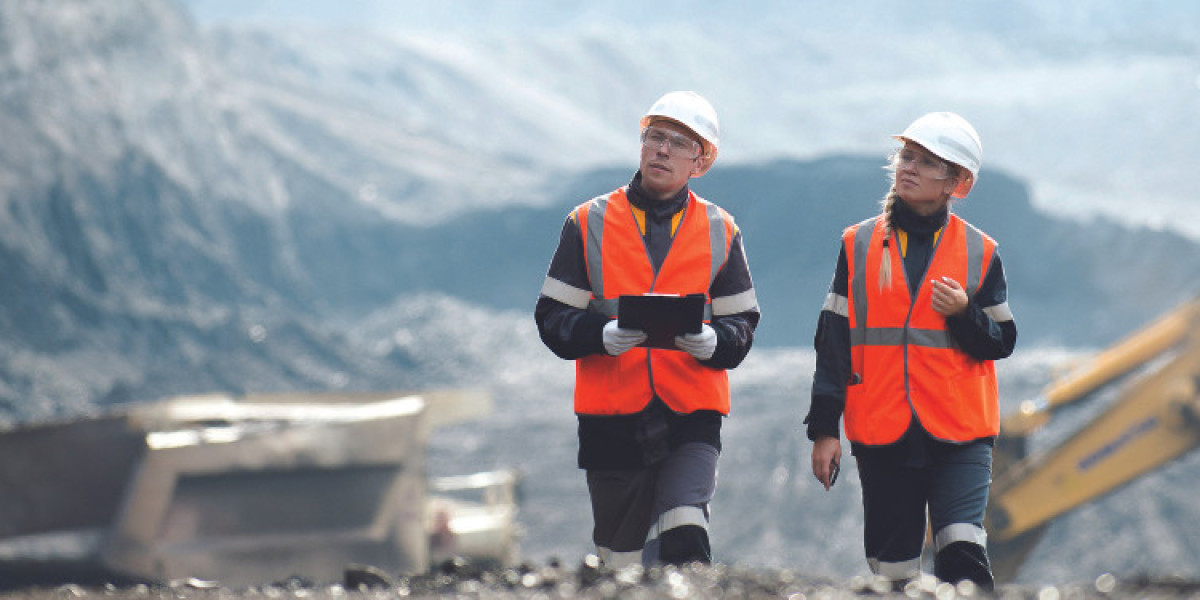

Mining is one of the most important industries in the world. It supports construction, manufacturing, energy, transportation, and many other sectors. From minerals and metals to coal and raw materials, mining plays a major role in economic growth.
At the same time, mining is also one of the most challenging industries to manage. Mining companies deal with heavy machinery, remote locations, difficult working conditions, safety risks, environmental concerns, and strict regulations. Even a small error in planning, equipment handling, or communication can lead to delays, financial loss, or serious safety issues.
This is why smarter technology is becoming essential for modern mining companies. Digital tools, automation, data tracking, and software-based systems are helping mining businesses improve safety, productivity, and decision-making.
Today, technology is not just about making mining faster. It is also about making mining safer, more controlled, and more efficient.
The Need for Safer Mining Operations
Safety has always been a top priority in mining. Workers often operate in tough environments where they may face risks such as equipment failure, unstable ground conditions, poor visibility, dust exposure, falling materials, and communication gaps.
Traditional safety methods usually depend on manual checks, paper reports, and supervisor observations. While these methods are useful, they may not be enough for fast-moving mining operations.
Modern mining companies need real-time visibility. They need to know where workers are, how equipment is performing, whether safety rules are being followed, and where possible risks are developing.
Smarter technology helps companies detect issues earlier and respond faster. This can reduce accidents, improve emergency response, and create a safer workplace for mining teams.
Real-Time Monitoring Improves Workplace Safety
One of the biggest benefits of technology in mining is real-time monitoring. With digital systems, companies can track equipment, workers, site conditions, and operational activities as they happen.
For example, sensors can monitor machine temperature, fuel usage, vibration, and performance. If a machine shows signs of failure, the system can alert the maintenance team before a breakdown happens.
Worker tracking systems can also help supervisors know where employees are located on-site. This is especially useful in underground mines or large mining areas where communication can be difficult.
Real-time monitoring gives mining companies better control over daily operations and helps them take quick action when something goes wrong.
Predictive Maintenance Reduces Equipment Risks
Mining equipment is expensive and heavily used. Machines such as drills, loaders, trucks, crushers, and conveyors must work properly to keep operations running smoothly.
Unexpected equipment failure can cause major problems. It can stop production, increase repair costs, delay schedules, and create safety risks for workers.
Smarter technology helps mining companies move from reactive maintenance to predictive maintenance. Instead of waiting for a machine to break down, companies can use data to predict when maintenance is needed.
The system can analyze equipment performance and identify early warning signs. This helps teams schedule repairs at the right time, avoid sudden breakdowns, and extend the life of machines.
Predictive maintenance not only saves money but also supports safer operations by reducing the chances of equipment-related accidents.
Better Communication Across Mining Sites
Mining sites are often spread across large areas. Teams may be working underground, on the surface, in control rooms, or at different project locations. In such conditions, clear communication is very important.
Poor communication can lead to confusion, delays, and unsafe situations. For example, if a machine operator does not receive updated instructions or if a supervisor is unaware of a site hazard, the risk of accidents increases.
Digital communication tools help connect teams more effectively. Workers can receive updates, report issues, share inspection results, and communicate with supervisors through mobile apps or connected systems.
This improves coordination and helps everyone stay informed. Better communication leads to faster problem-solving and safer decision-making.
Data Helps Companies Identify Risks Early
Mining operations generate a large amount of data every day. This includes equipment data, production data, safety reports, worker activity, environmental readings, and maintenance records.
When this data is managed manually, it becomes difficult to understand patterns or identify problems early. Important details may be missed or delayed.
Smart technology helps collect, organize, and analyze this data. Mining companies can use dashboards and reports to see what is happening across operations.
For example, if a certain machine frequently needs repairs, the company can investigate the issue. If safety incidents are happening in one area, management can take preventive action. If production is slowing down, teams can find the cause and improve planning.
Data-driven insights help mining companies make better decisions instead of relying only on guesswork.
Automation Reduces Manual Work and Human Error
Many mining tasks involve repetitive work, manual reporting, and routine inspections. These activities take time and may also lead to human error.
Automation can help reduce manual workload and improve accuracy. For example, automated reporting systems can collect and update information without requiring teams to enter everything manually. Automated alerts can notify managers when safety limits are crossed or equipment needs attention.
In some mining operations, automation can also support remote-controlled equipment, drone inspections, and digital mapping. These technologies reduce the need for workers to enter risky areas unnecessarily.
By reducing manual work and improving accuracy, automation helps mining companies improve both productivity and safety.
Improved Compliance and Reporting
Mining companies must follow strict safety, environmental, and operational regulations. Proper reporting is important for audits, inspections, and legal compliance.
Manual documentation can be time-consuming and difficult to manage. Paper-based reports may be lost, delayed, or incomplete.
Digital systems make compliance easier by storing records in one place. Safety inspections, maintenance logs, environmental readings, incident reports, and employee records can be managed more efficiently.
This helps mining companies prepare accurate reports and maintain better transparency. It also reduces the risk of missing important compliance requirements.
Environmental Monitoring Becomes Easier
Mining operations can affect the environment if not managed carefully. Companies need to monitor air quality, water usage, dust levels, emissions, land impact, and waste management.
Technology helps businesses track environmental conditions more accurately. Sensors and monitoring tools can provide real-time data and alerts when limits are exceeded.
This allows companies to take corrective action quickly. It also supports responsible mining practices and helps businesses meet environmental standards.
For modern mining companies, environmental responsibility is not only a legal requirement but also an important part of long-term business reputation.
Better Planning and Resource Management
Mining projects require careful planning. Companies need to manage workers, equipment, materials, schedules, transportation, and production targets. Without proper planning, costs can increase and productivity can suffer.
Smart technology helps mining companies plan resources more effectively. Managers can track equipment availability, worker schedules, project progress, and production performance from a central system.
This makes it easier to avoid delays, reduce waste, and use resources wisely. Better planning also helps companies respond quickly when project conditions change.
For example, if equipment is unavailable or weather affects operations, managers can adjust schedules and reduce disruption.
Safer Decision-Making with Digital Visibility
Mining decisions often need to be made quickly. Managers may need to decide whether to stop work, move equipment, send maintenance teams, or change production plans.
When decision-makers do not have accurate information, they may make choices based on incomplete details. This can increase risk.
Digital visibility gives managers a clearer view of operations. They can see real-time updates, safety alerts, equipment status, and site performance. This helps them make faster and safer decisions.
In an industry where timing and accuracy matter, better visibility can make a major difference.
Technology Supports Long-Term Mining Growth
Mining companies are under pressure to improve safety, reduce costs, increase productivity, and meet sustainability goals. Technology can support all of these areas.
Smarter systems allow companies to modernize operations step by step. They can begin with equipment monitoring, digital reporting, worker tracking, or maintenance management, and then expand to more advanced tools over time.
This flexible approach helps mining businesses improve without disrupting daily operations. It also prepares them for future growth and changing industry demands.
Companies that invest in technology today will be better prepared to handle competition, compliance, and customer expectations in the future.
Conclusion
Mining companies operate in complex and high-risk environments, where safety, efficiency, and control are extremely important. Smarter technology helps businesses monitor operations in real time, reduce equipment failures, improve communication, manage compliance, and make better decisions.
By using digital tools and data-driven systems, mining companies can create safer workplaces, improve productivity, and support long-term growth. For businesses looking to modernize their operations and reduce risks, investing in mining industry software solutions can be a practical step toward safer and smarter mining operations.