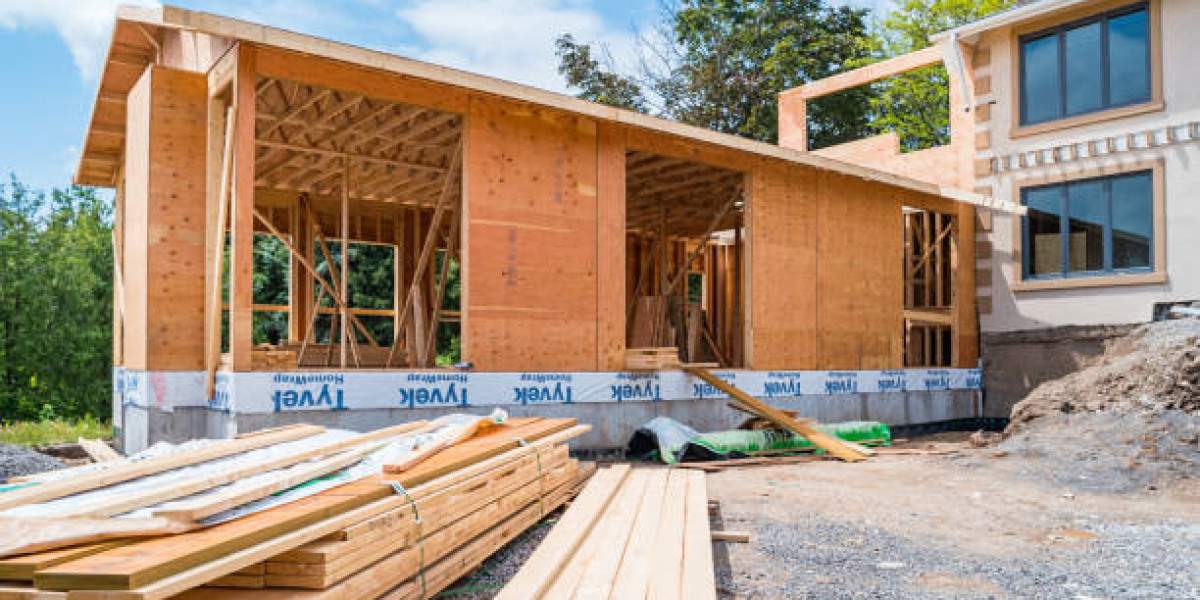

Planning a house extension in Camden requires careful preparation and a clear understanding of local rules. Camden is a densely populated area in London where many homes are terraced or period properties. Because of limited space and strict planning regulations, homeowners must follow a structured process to ensure success.
A well-planned extension can improve living space, increase property value, and enhance everyday comfort. However, success depends on proper design, budgeting, and approval from local authorities.
This guide explains the step-by-step process of planning a house extension in Camden in a clear and practical way.
Step 1: Assess Your Needs and Goals
Identify the purpose of your extension
Before starting any design work, decide why you need the extension. It could be for a larger kitchen, an extra bedroom, a home office, or additional living space. A clear purpose helps shape the entire project.
Evaluate existing space
Look at your current layout and identify unused or poorly designed areas. Many Camden homes have narrow kitchens, small living rooms, or unused side returns that can be improved.
Set realistic expectations
Understand what is possible within your property boundaries. Some extensions may be limited by garden size, height restrictions, or planning rules.
Step 2: Research Planning Rules in Camden
Check permitted development rights
Some small extensions may not require full planning permission if they fall under permitted development rights. However, these rights are limited in Camden due to conservation rules.
Understand conservation area restrictions
Many areas in Camden are protected as conservation zones. If your property is located in one, stricter design rules will apply. The extension must match the character of surrounding buildings.
Review building regulations
All house extensions must comply with UK building regulations. These rules cover structural safety, insulation, fire safety, ventilation, and drainage.
Step 3: Create a Design Plan
Work with design professionals
Many homeowners choose to work with architects or designers to create accurate plans. A good design ensures space is used efficiently and meets legal requirements.
Focus on layout efficiency
Good design improves how space flows within the home. Open-plan layouts are popular in Camden because they create a spacious and modern feel.
Consider natural light
Design should include windows, skylights, or glass doors to maximize natural light. This improves comfort and reduces energy use.
Step 4: Set a Realistic Budget
Estimate construction costs
Costs vary depending on size, design, and materials. Extensions in Camden are generally more expensive than other UK regions due to higher labour costs.
Include professional fees
Budget for architects, surveyors, and planning applications. These are essential parts of the process.
Add contingency funds
Unexpected issues can arise during construction. A contingency budget helps cover changes or delays without financial stress.
Step 5: Submit Planning Application
Prepare required documents
A planning application usually includes design drawings, site plans, and project details. Accuracy is important to avoid delays.
Submit to Camden Council
Applications are submitted to the local authority for approval. Camden Council reviews designs based on local planning policies.
Wait for approval
The approval process may take several weeks. During this time, adjustments may be requested.
Step 6: Meet Building Regulations Requirements
Structural safety checks
Building regulations ensure the extension is structurally sound. This includes foundation strength and load-bearing walls.
Insulation and energy efficiency
Regulations require proper insulation to improve energy efficiency and reduce heat loss.
Electrical and plumbing standards
All installations must meet safety standards and be carried out by qualified professionals.
Step 7: Hire Contractors and Builders
Choose experienced professionals
Select builders with experience in house extensions. Local knowledge of Camden properties is highly beneficial.
Check references and past work
Review previous projects to ensure quality and reliability before hiring.
Agree on a timeline
Set clear deadlines and project milestones to avoid delays during construction.
Step 8: Begin Construction Work
Site preparation
The site is cleared and prepared for construction. This includes removing obstacles and setting up access points.
Foundation and structure
Foundations are laid first, followed by the main structural build. This stage defines the shape of the extension.
Roof and external work
Roofing and external walls are completed to make the structure weatherproof.
Step 9: Internal Finishing
Electrical and plumbing installation
Wiring, lighting, heating, and plumbing systems are installed according to the design plan.
Walls, flooring, and decoration
Interior surfaces are finished with plastering, flooring, painting, and final detailing.
Final fittings
Kitchen units, bathroom fixtures, and storage solutions are installed.
Step 10: Final Inspection and Completion
Building control inspection
Local authorities inspect the completed extension to ensure compliance with regulations.
Snagging issues
Any minor defects or unfinished work are corrected before final approval.
Project completion
Once approved, the extension is officially complete and ready for use.
Common Mistakes to Avoid
Ignoring planning rules
Failing to understand local regulations can result in delays or rejection.
Underestimating budget
Costs often increase during construction, so planning a realistic budget is important.
Poor space planning
Bad layout design can reduce the usefulness of the extension.
Conclusion
Planning a house extension in Camden requires careful steps, from initial design to final inspection. Each stage plays an important role in ensuring the project is successful and compliant with UK regulations.
With proper planning, realistic budgeting, and professional support, homeowners can create functional and valuable living spaces that improve both comfort and property value.