
Electrical trouble can ruin a workday. Symptoms pop up without warning. Your crane runs perfectly for hours. Then a dashboard light flickers or a joystick goes dead. You cannot see electricity like you see a broken hose. But you can find the problem. A steady, methodical approach works every time.
Your Kobelco crane depends on a web of sensors and controllers. They communicate constantly to ensure safe operation. When one link in that chain fails, the whole machine may act strangely. Knowing the right places to look first saves hours. It also prevents you from swapping parts that are still good.
Always Start with Power and Ground
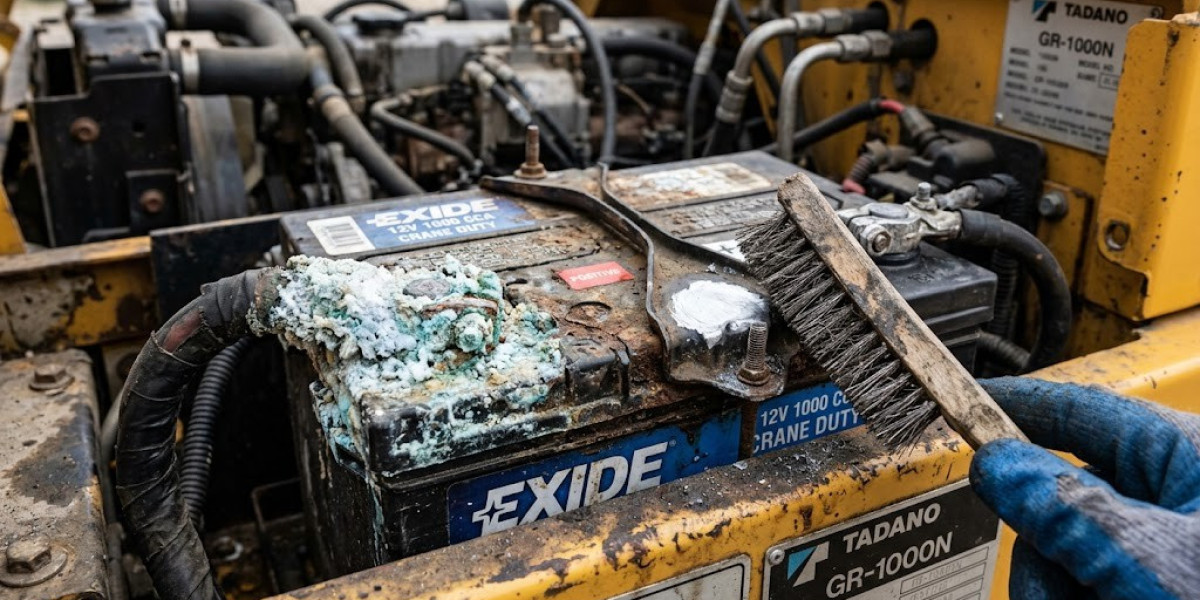
Most electrical faults trace back to poor power or a bad ground. Without clean voltage, the system will not behave. Begin at the battery. Look for corrosion on the terminals. Clean off any white or green crust. Ensure the clamps are tight. A loose connection causes random glitches that are hard to repeat.
Then check the chassis ground. Follow the negative cable to where it bolts to the frame. Rust or paint can block the path. Scrape the metal clean. Tighten the bolt firmly. A bad ground makes sensors lie and controllers reboot. Fixing the ground often solves everything without spending a dime.
Fuses and Relays: The Fast Checks
Fuses blow to protect circuits. If a fuse keeps failing, you have a short somewhere. Never just replace it and walk away. Find the real cause. Look for pinched wires or bare copper touching metal. Check where harnesses rub against sharp edges.
Relays also wear out. They click to turn high‑current devices on and off. Over time, the contacts pit or carbon up. A bad relay may work ten times then fail once. Swap it with a good relay of the same type. If the problem moves with the relay, you found it. Keep spare fuses and relays in your truck. They are cheap insurance against costly downtime.
Error Codes Are Clues, Not Verdicts
Modern Kobelco cranes show error codes when something fails. These codes point you to an area. But they are not exact. A code for a sensor fault could mean the sensor is dead. Or it could mean the wiring is broken. Or the connector has moisture inside. The code tells you where to look, not what to replace.
Write the code down. Open your service manual. Look up possible causes and test steps. Follow those steps in order. Do not start with the most expensive part. Test simple things first. Check continuity. Measure voltage at the connector. Verify sensor resistance. These basic tests often find the issue before you order any Kobelco crane parts.
Wiring and Connectors Are Prime Suspects
Wiring takes abuse on any crane. Vibration shakes plugs loose. Rain and humidity creep into connectors. Engine heat bakes insulation brittle. Walk along every harness. Look for chafed wires, especially where they pass through metal or near moving parts. One tiny rub can expose copper and cause a short.
Connectors need a close look. Unplug them. Examine the pins. Are they bent, corroded, or pushed back? Is the rubber seal torn? A bad pin connection causes intermittent faults that drive operators crazy. Clean connectors with electrical contact cleaner. Add dielectric grease to keep moisture out. When you reconnect, push until you hear a click. A loose connector is a classic mistake. Using genuine Kobelco crane parts for damaged connectors ensures a proper seal and fit.
Test Sensors with a Multimeter
Sensors feed data to the crane’s computer. Angle sensors, pressure senders, and limit switches all report what is happening. When one fails, the crane may limit functions or flash false alarms. Testing requires a multimeter and the specification numbers from your manual.
Start with resistance checks. Many sensors have a normal ohm range. If your meter shows an open line or a reading far off spec, the sensor is likely bad. For switches, check continuity in both positions. A limit switch should change state when you press it. If not, replace it. When ordering replacements, always choose authentic Kobelco crane parts. A sensor with the wrong output voltage will confuse the controller even if it bolts on perfectly.
The Controller as a Last Resort
The controller is the brain. It reads inputs and sends outputs. If you have checked power, ground, wiring, fuses, relays, and sensors, the controller might be bad. But controllers rarely fail alone. Something else usually kills them. A short circuit can burn an output driver. A voltage spike can corrupt memory. Water can rot the board.
Before replacing the controller, check power and ground at its plug. Look for water damage or a burnt smell. If you see swollen capacitors or black scorch marks, that is trouble. Replacing a controller often needs reprogramming. Call a specialist. Do not guess. Write down all your test results to help the technician.
Keep a Simple Logbook
Electrical work is easier with good records. Keep a log of every problem and fix. Note which error codes appeared. Record what tests you ran and which Kobelco crane parts you installed. Over time, patterns emerge. If the same circuit fails twice, you may have a deeper issue.
Good records also help when you call for outside help. You can tell a technician exactly what you have done. They will not waste time repeating your steps. That speeds up the repair. Your own skills will grow with each entry. Soon you will spot common failures before they cause major delays.
Know Your Limits
Some electrical problems are too hard for basic tools. If you have checked everything and the problem remains, call for help. Complex CAN bus errors or controller programming need special gear and training.
There is no shame in asking for help. Guessing on advanced electrical work often makes things worse. One wrong connection can fry expensive parts. If you feel lost, stop. Document your steps. Share that with the expert. Working together gets your crane back faster and safer.
Final Thoughts
Electrical diagnosis is not magic. Start simple. Check power and ground. Inspect fuses and relays. Follow the wiring. Test sensors with a meter. Use error codes as clues. When you need replacements, choose genuine Kobelco crane parts for reliability.
Keep a log. Know your limits. Patience pays. Rushing leads to mistakes. A calm, step‑by‑step search finds the problem every time. Your Kobelco crane needs clean electrical signals to work safely. Taking the time to diagnose correctly protects your investment and keeps your crew productive. That turns a frustrating mystery into a simple fix.