
A welder stares through the outer lens for every single work session. That thin piece of plastic or glass takes a constant beating from spatter, sparks, and airborne grit. Many owners of a full face auto darkening welding helmet ignore this small component until something goes wrong. They notice a hazy patch right in the middle of the viewing area. Suddenly, the weld puddle looks fuzzy, and the joint line disappears. The natural question becomes: when should a person replace that outer lens before trouble starts?
Manufacturers design the outer lens as a sacrificial shield. Its entire job involves absorbing damage that would otherwise reach the expensive inner auto-darkening filter. A single welding shift can cover the outer lens with fine metal dust, tiny spatter beads, or a light film of smoke residue. Each of these contaminants scatters incoming light. The welder squints harder and leans closer to the workpiece. That discomfort signals the first stage of lens failure. A professional welder working eight hours daily might notice clarity loss within a single week. A weekend hobbyist could go several months without seeing a change. The replacement interval depends entirely on three factors: welding process, amperage, and cleanliness of the metal. Stick welding on rusty steel produces ten times the spatter of TIG welding on clean aluminum. Higher amperage throws larger, hotter spatter beads that pit the lens surface instantly. A welder who cleans every workpiece with a grinder still sends fine abrasive dust into the air, where it settles on the lens.
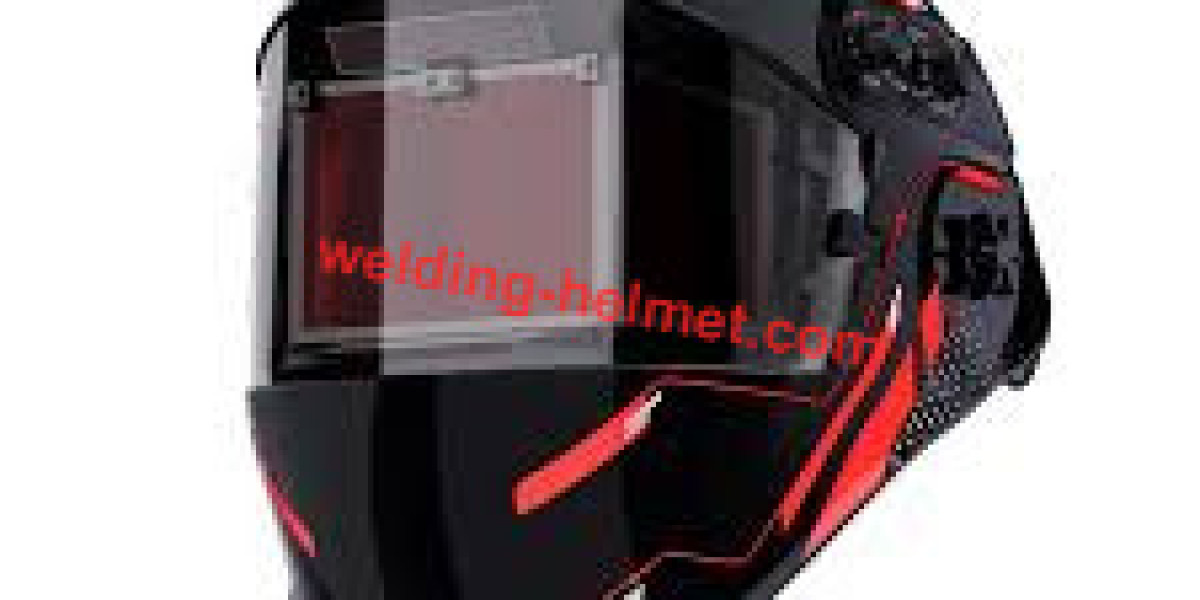
The visual test provides the most honest answer. A person holds the Full Face Auto Darkening Welding Helmet up to a bright light source. Any scratch, pit, or cloudy patch that sits directly in front of the eyes demands replacement. Many welders wait until the lens looks like frosted glass. That waiting period creates dangerous working conditions. A hidden crack or a pit right in the center of vision forces the welder to turn the head at an odd angle. That awkward posture strains the neck and distracts from weld joint tracking. The correct time to swap the outer lens arrives long before the damage becomes obvious during welding. A wise owner keeps a small stack of replacement lenses in the shop. Changing the lens takes thirty seconds. Removing the old protective film from a fresh lens restores crystal clarity instantly.
Some welding environments eat through outer lenses at a shocking speed. Heavy fabrication shops with multiple welders working in one bay fill the air with grinding dust and welding fume. An outer lens in that environment might last two full days of active welding. A field welder repairing equipment outdoors faces windblown sand and rain spots. That combination scratches and smears the lens within hours. A pipeline welder laying down root passes in a ditch suffers from mud spatter every time the rain starts. Each situation demands a different replacement schedule. The smart approach involves inspecting the lens at the start of every welding day. A person runs a gloved finger across the outer surface. Any roughness means spatter has bonded to the plastic. Any haze means smoke residue has baked onto the surface. Both conditions require a fresh lens.
Beginners often ask whether cleaning the outer lens saves money. The answer is no. Once spatter melts into the plastic, no wiping or solvent removes that damage. Scrubbing only spreads the melted plastic into a wider cloudy patch. The outer lens costs very little compared to the inner auto-darkening filter or a trip to the eye doctor. A single case of eye strain from peering through a damaged lens ruins an entire afternoon of welding. A quality replacement lens from a trusted source restores full visibility. Taizhou Ruiling Optoelectronics Technology Co., Ltd. manufactures outer lenses that match the optical clarity of international brands. Their products fit the basic and professional series of auto-darkening helmets sold through their online catalog.
A neglected outer lens creates a chain reaction of problems. The welder cannot see the leading edge of the weld pool. The torch drifts off the joint line. The resulting weld lacks fusion or misses the root entirely. A grinder removes that bad weld, but the grinding dust immediately lands on the already damaged outer lens. The cycle repeats. A fresh outer lens breaks that cycle for pennies per welding hour. The welding helmet's headgear adjustment, the sensor sensitivity setting, and the shade number all matter. But none of those adjustments help a welder who cannot see clearly. The outer lens sits closer to the work than any other component. It endures heat, impact, and abrasion without complaint. Eventually, every outer lens reaches the end of its service life. The question is whether the welder replaces it on schedule or waits until the weld quality suffers.
For any welder seeking reliable outer lenses and complete helmets, the right source matters. A website like https://www.welding-helmet.com/ offers genuine replacement parts designed for heavy use. The product listings include clear specifications so a buyer orders the correct size for their specific hood. A person who buys a full face model from their selection receives a helmet built with the same standards as international brands. The factory behind those products ships to over one hundred twenty countries. An outer lens from that factory fits precisely, seals properly, and provides the optical clarity a welder deserves. A simple replacement every few weeks keeps the welding helmet performing like new. The cost of that replacement is small. The cost of poor visibility is large. How long has it been since your outer lens saw a fresh replacement?